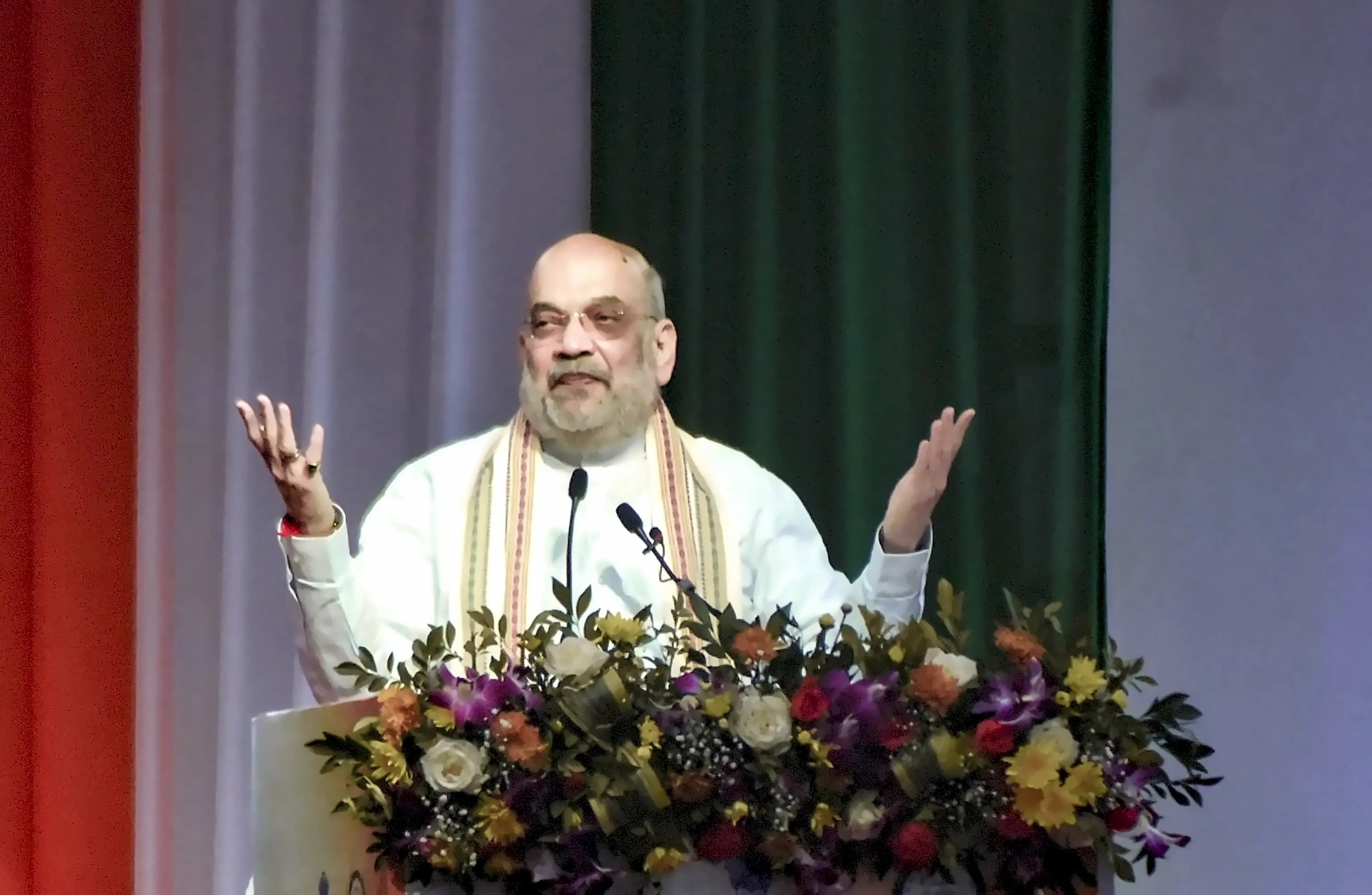
Union Home Minister Amit Shah on Sunday inaugurated development projects worth ₹1,542 crore and flagged off the country's first LNG-powered train from Sabarmati Railway Station in Gujarat's Ahmedabad. According to reports from the Ministry of Home Affairs, Shah also inaugurated the WAG-12 Maintenance Shed being established for the maintenance of railway locomotive engines. Gujarat Chief Minister Bhupendra Patel and several other dignitaries were present on the occasion. The package includes projects covering railway safety, signalling, line capacity and freight infrastructure.
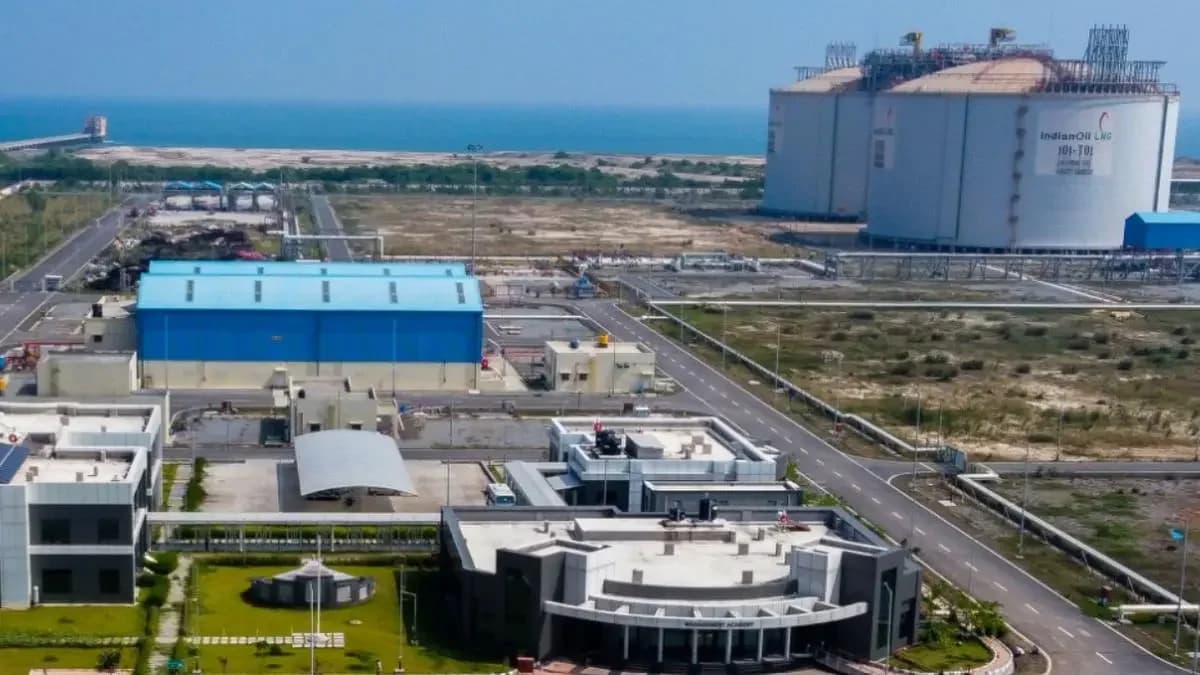
India's first LNG-powered train was flagged off from Sabarmati using a diesel-plus-LNG dual-fuel system developed for its Driving Power Cars (DPCs). Two 1,400 HP DPCs at the Sabarmati Integrated Coaching Depot have been converted to this dual-fuel system, allowing LNG to be used alongside diesel. More than 2,000 km of field trials have been completed on the two converted DPCs to assess the performance and reliability of the technology. Under the system, LNG can replace up to around 40% of diesel consumption, with each converted DPC having an LNG tank capacity of around 2,200 litres capable of holding approximately 850-900 kg of usable LNG. A full LNG fill is expected to provide sufficient fuel for around 1,600 km of operation, reducing the need for frequent refuelling.
According to trial data released by the Railways, the use of LNG is expected to reduce fuel expenditure and emissions, including carbon dioxide, nitrogen oxides and particulate matter. The earlier railway assessment estimated annual savings of around ₹11.9 lakh from one DPC and around ₹23.9 lakh from an eight-coach rake. The dual-fuel system allows the engine to switch between LNG and diesel depending on fuel availability, providing operational flexibility while retaining the power and operational capability of conventional diesel engines. This initiative is aimed at reducing dependence on conventional diesel fuel and promoting the use of alternative energy sources in railway operations.
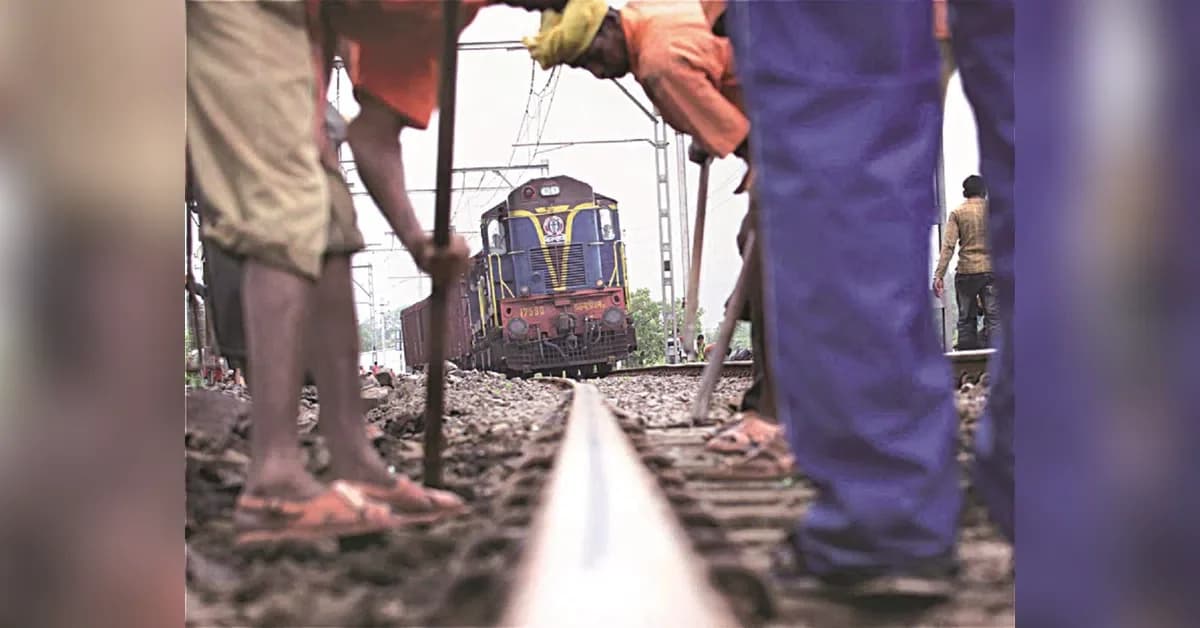
Shah also laid the foundation stone for the indigenous Kavach automatic train protection system across 404 km of railway network in the Ahmedabad division. The project, estimated to cost around ₹411 crore, covers 157 km of the Ahmedabad-Palanpur section and 247 km of the Ahmedabad-Samakhiyali section. Kavach is designed to help prevent train collisions, protect against overspeeding and reduce risks linked to human error. The system represents a significant step in modernizing India's railway safety infrastructure and reducing operational risks through advanced automation.
As reported by the Ministry of Home Affairs, Shah highlighted that railway electrification was only 75 kilometres in an entire year in 2010-11, whereas 7,188 kilometres were electrified in a single year in 2023-24. He noted that 99.6% of the railway network has now been electrified, with the remaining 0.4% to be completed soon. The programme also included the commissioning of the indigenous Kavach train protection system on the Ahmedabad-Palanpur and Ahmedabad-Samakhiyali sections, automatic signalling on two railway sections and the launch of doubling work on the Sabarmati-Sarkhej section. The Union Minister also mentioned that 97% of bio-toilets were installed during the Modi government's tenure, and 87% of LHB coaches were manufactured in India. Shah revealed that railway electrification increased by 70%, railway safety budget rose by 67% and locomotive production capacity expanded by 66% during Modi's tenure.