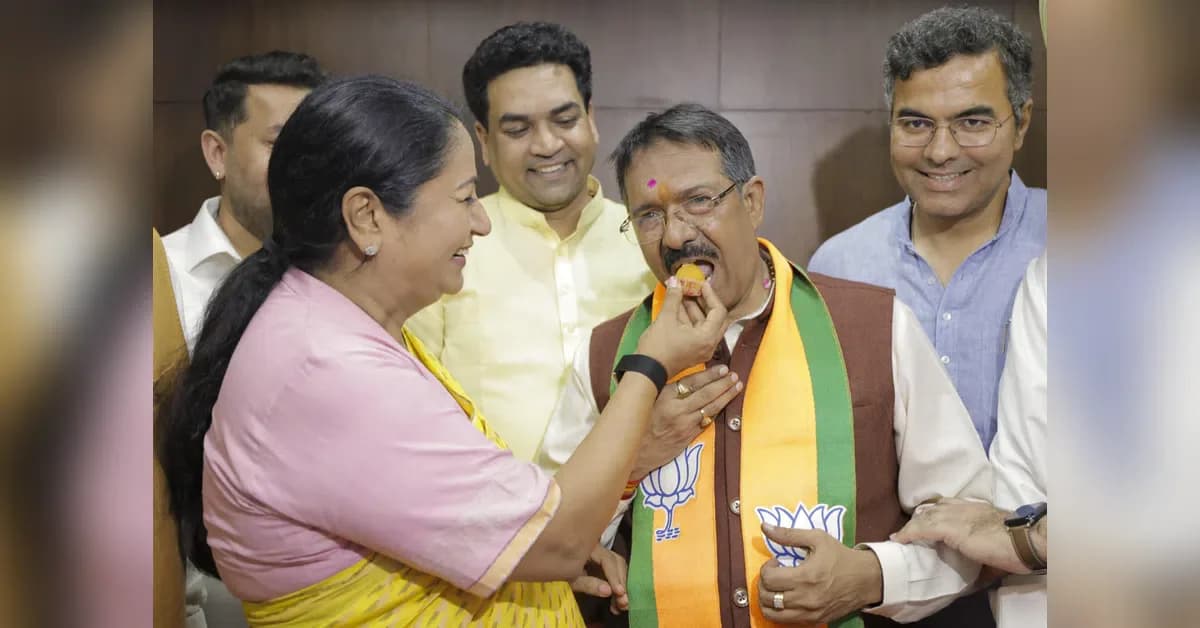
The West Bengal government distributed portfolios among 13 Cabinet ministers and 22 ministers of state, including three with independent charge, on Wednesday. According to reports from PTI, the official notification detailing the distribution of departments was issued from Nabanna on Wednesday. Swapan Dasgupta, journalist-turned-politician and former Rajya Sabha member from Rashbehari assembly constituency, was appointed finance minister, while Tapas Roy was named industries minister. Dr Sharadwat Mukherjee, BJP MLA from Bidhannagar, was named health minister, while Jagannath Chattopadhyay, journalist-turned-politician who won the Suri Assembly seat in Birbhum district, was given the responsibility of the state's higher education department. Dipak Barman, north Bengal leader from Falakata in Alipurduar district, was put in charge of the state school education department.
As reported by PTI, Dudh Kumar Mondal, BJP leader from Birbhum, was appointed agriculture minister, and Siliguri MLA Shankar Ghosh was allocated tourism and parliamentary affairs. Noapara MLA Arjun Singh was given charge of labour and transport departments. Among the ministers of state with independent charge, Indranil Khan was named sports and youth affairs minister, and consumer affairs minister, while Malati Rava Roy, BJP's Cooch Behar district leader, was allocated the Women and Child Development department. Manoj Kumar Ghosh was assigned the Department of Forest and Environment.
Swapan Dasgupta, the newly appointed finance minister, holds a doctorate in history from the School of Oriental and African Studies, University of London. He joined the board of directors of Larsen & Toubro in 2015 as a nominee of the Administrator of the Specified Undertaking of the Unit Trust of India (SUUTI), a position he quit in 2016 when he was nominated to the Rajya Sabha. After taking over as the state's finance minister, Dasgupta emphasized that it is not necessarily important to be an economist to handle the finance department, stating he already has a broad idea of the state's finances because of his current professional engagements. As finance minister, Dasgupta will benefit from a friendly government at the Centre under the BJP-led NDA, unlike his predecessors since 1977 who rarely had such support. He identified maximizing revenue mobilization without imposing fresh taxes as a key challenge and indicated he had undertaken a preliminary review of the state's finances.
Tapas Roy, who switched to the BJP from the Trinamool Congress in 2024 and won the Maniktala Assembly seat in the recent polls, outlined his priority to restore investor confidence in Bengal. Roy specifically stated his priority would be to bring back the Tatas in a big way in the state, alluding to Tata Motors abandoning its Tata Nano plant in Singur in 2008 due to protests led by Trinamool Congress chief Mamata Banerjee. On May 30, BJP state unit chief Samik Bhattacharya confirmed that the BJP government would bring Tata back. However, Trinamool Congress leaders including Derek O'Brien and former state finance minister Amit Mitra listed investments and expansions by various Tata Group companies in Bengal, noting the conglomerate already had a significant and growing footprint in the state.
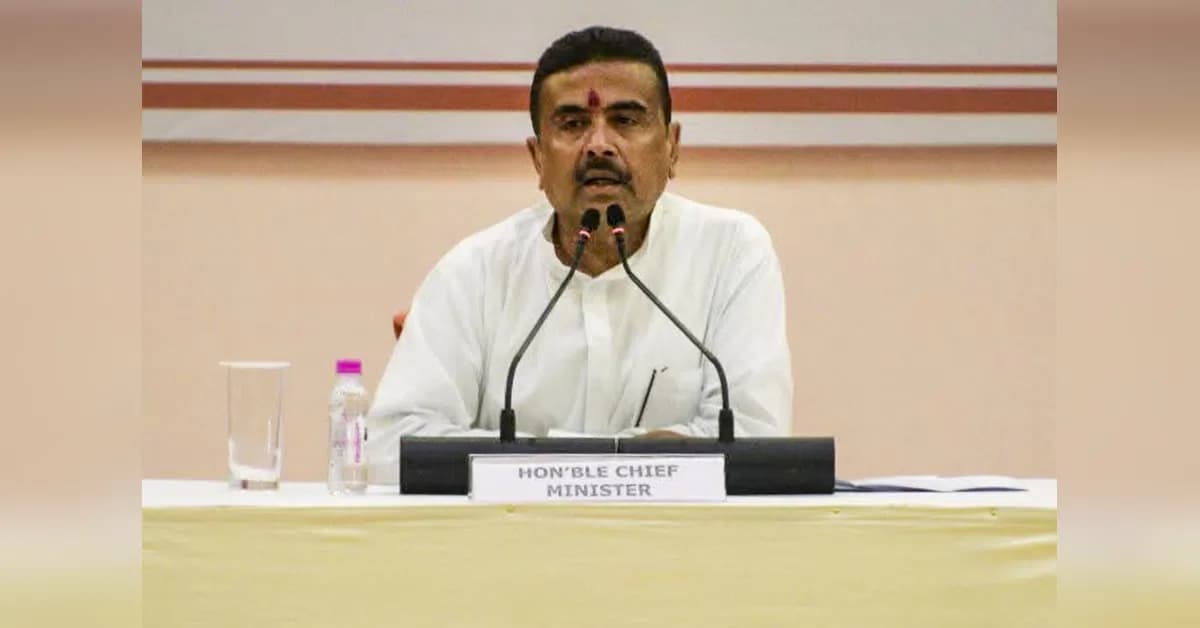
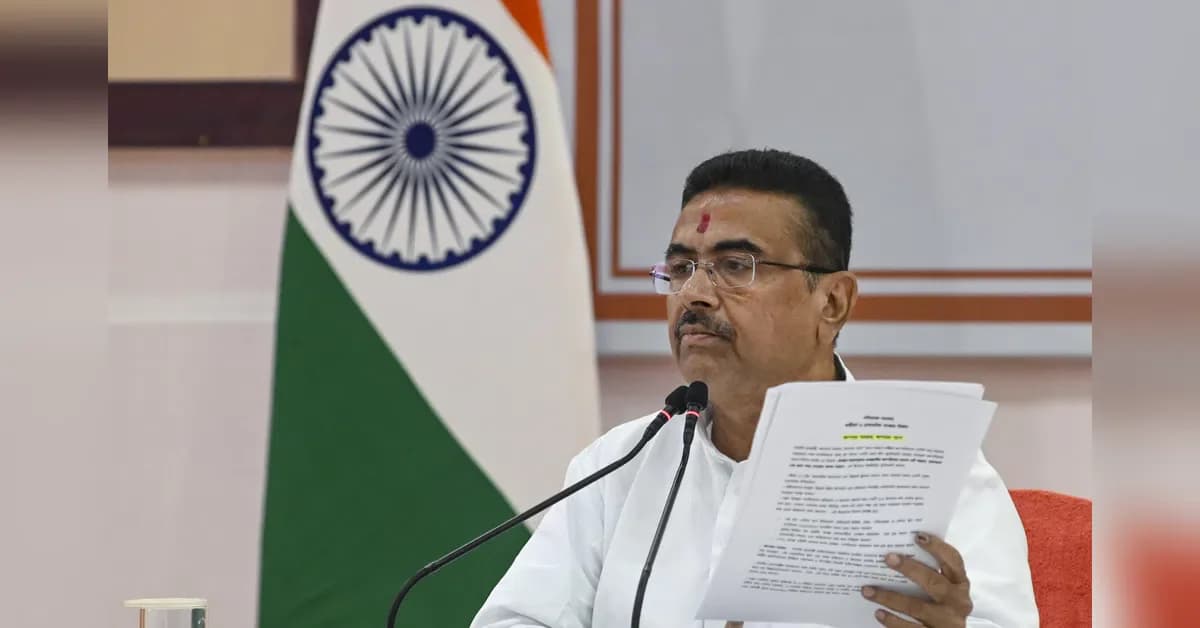
Chief Minister Suvendu Adhikari has retained the Home Department and will oversee the departments of Law and Justice, Land and Land Reforms, Power, Information and Culture, Refugee Relief and Rehabilitation, Personnel and Administrative Reforms, and Hill Affairs. According to PTI, the BJP's central leadership finalised the allocation after a series of consultations with state BJP president Samik Bhattacharya and the Chief Minister. The move marks a departure from the BJP's usual practice at the Centre and in several states, where the education portfolio is generally handled by a single minister. In a significant development, the education sector has been divided into separate departments with Jagannath Chattopadhyay appointed Higher Education Minister and Deepak Barman heading the School Education Department. As per PTI, party sources indicated that the decision reflects the importance the BJP leadership attaches to reforming West Bengal's education system, particularly in the wake of recruitment-related controversies and concerns regarding curriculum and institutional standards.
Chief Minister Suvendu Adhikari was sworn in on May 9 along with five cabinet ministers -- Dilip Ghosh, Agnimitra Paul, Ashok Kirtania, Nisith Pramanik, and Kshudiram Tudu. As many as 35 MLAs took oath as ministers on June 1, as West Bengal CM Suvendu Adhikari expanded his cabinet, taking the total strength of the council of ministers to 41. This marks the BJP's first government in West Bengal after it defeated the Trinamool Congress in the state assembly elections held in late April, ending the Mamata Banerjee-led party's 15-year rule. The expanded cabinet now includes 13 cabinet ministers and 22 ministers of state, with three ministers holding independent charge positions. As per PTI, the final decisions were taken by Prime Minister Narendra Modi and union Home Minister Amit Shah after discussions with the Chief Minister and taking into account the views of the party and RSS leadership.