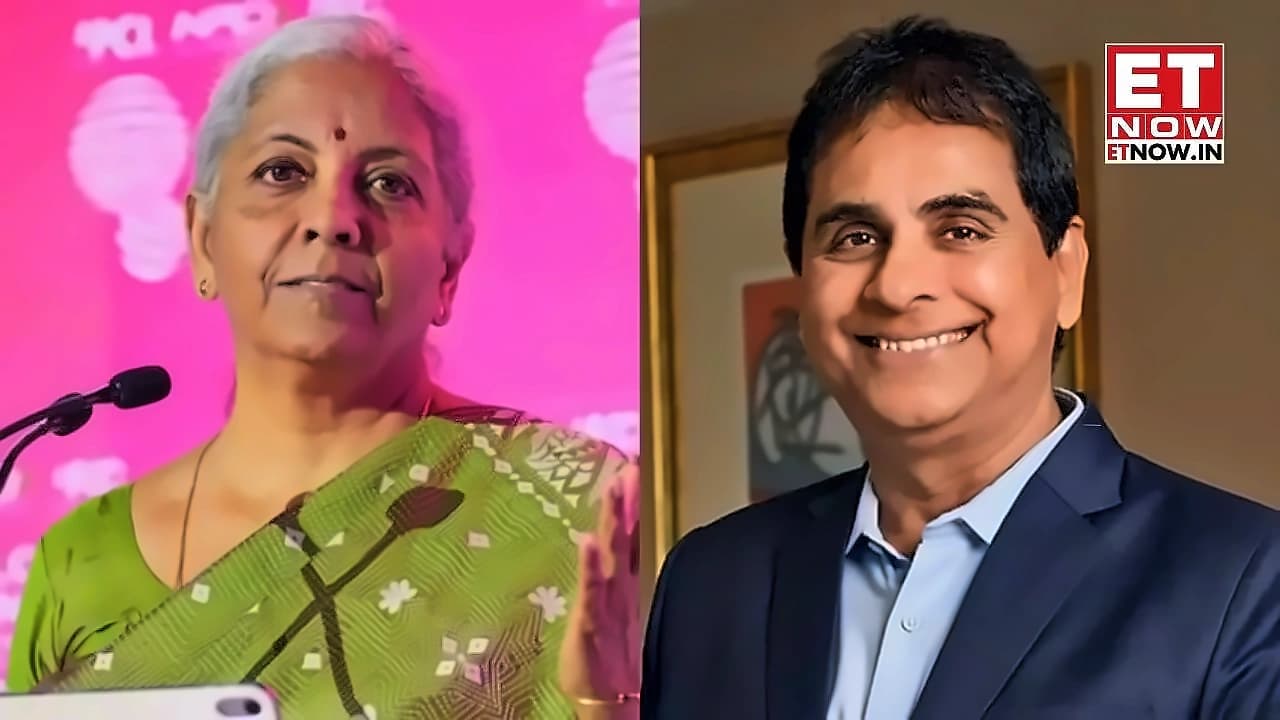
Ace investor Vijay Kedia has called for the abolition of long-term capital gains (LTCG) tax on listed equities, stating that long-term investors should be recognized as contributors of patient capital rather than speculators. In a post on microblogging platform X, formerly Twitter, Kedia emphasized that long-term shareholders play a critical role in helping businesses expand, create jobs, innovate and contribute to India's economic growth. According to The Economic Times, Kedia argued that investors who stay invested in companies over long periods support wealth creation and nation building, with the removal of long-term capital gains tax on listed equities described as a potentially powerful step towards strengthening India's capital markets.
Kedia highlighted that India requires massive amounts of long-term capital to build world-class companies, infrastructure and global champions. As reported by The Economic Times, he emphasized that tax policy should encourage households to move savings away from passive assets such as gold and towards productive businesses that generate employment, tax revenues and long-term national wealth. The investor noted that companies already contribute significantly to government revenues through multiple channels during their growth journey, including corporate tax, GST, income tax paid by employees, customs duties and stamp duties. According to Kedia, long-term capital gains often represent the final outcome of economic activity that has already generated substantial tax collections.
According to Kedia's argument reported by The Economic Times, tax policy should clearly distinguish between investment and speculation. He stated that a long-term shareholder should be viewed as a partner in wealth creation rather than someone merely participating in market transactions. Kedia argued that tax policy should reward long-term ownership of productive businesses while clearly differentiating it from short-term speculative activity, noting that India needs more patient capital, greater entrepreneurship and stronger participation in long-term investing. The views come as the Indian stock market continues to grapple with soaring oil prices, a massive FII exodus, and a rupee freefall emanating from the Iran conflict.