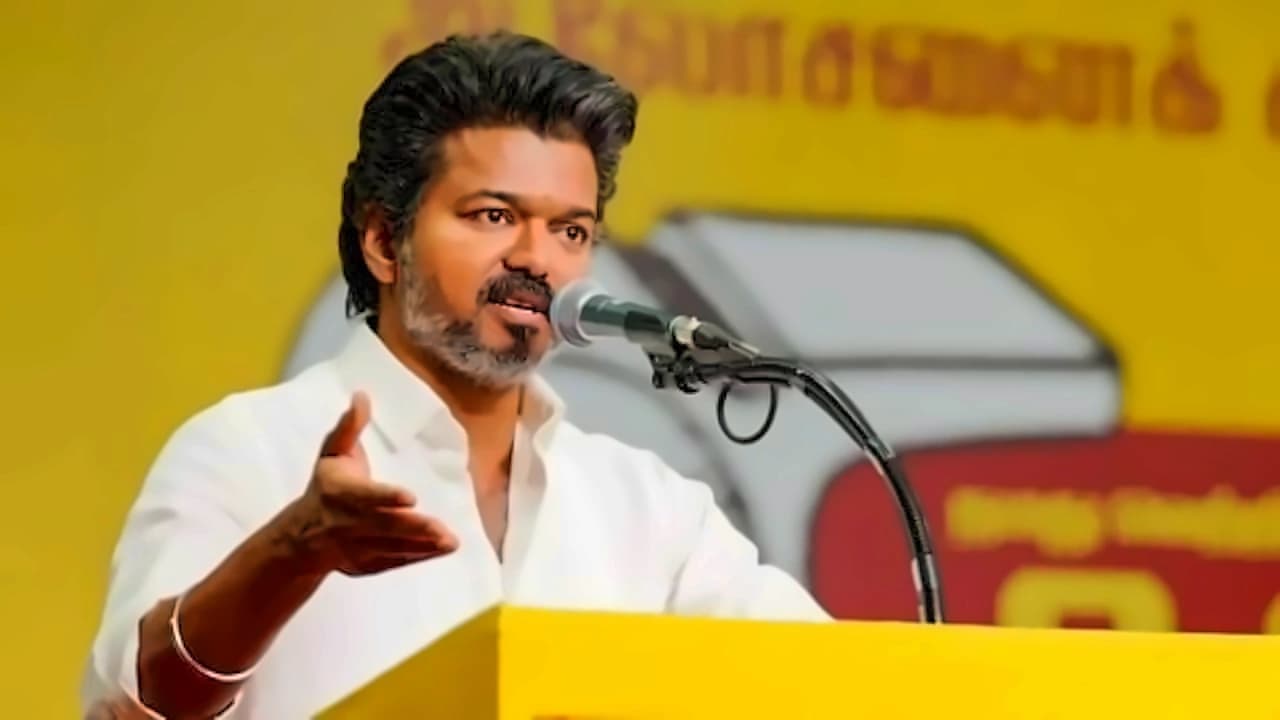
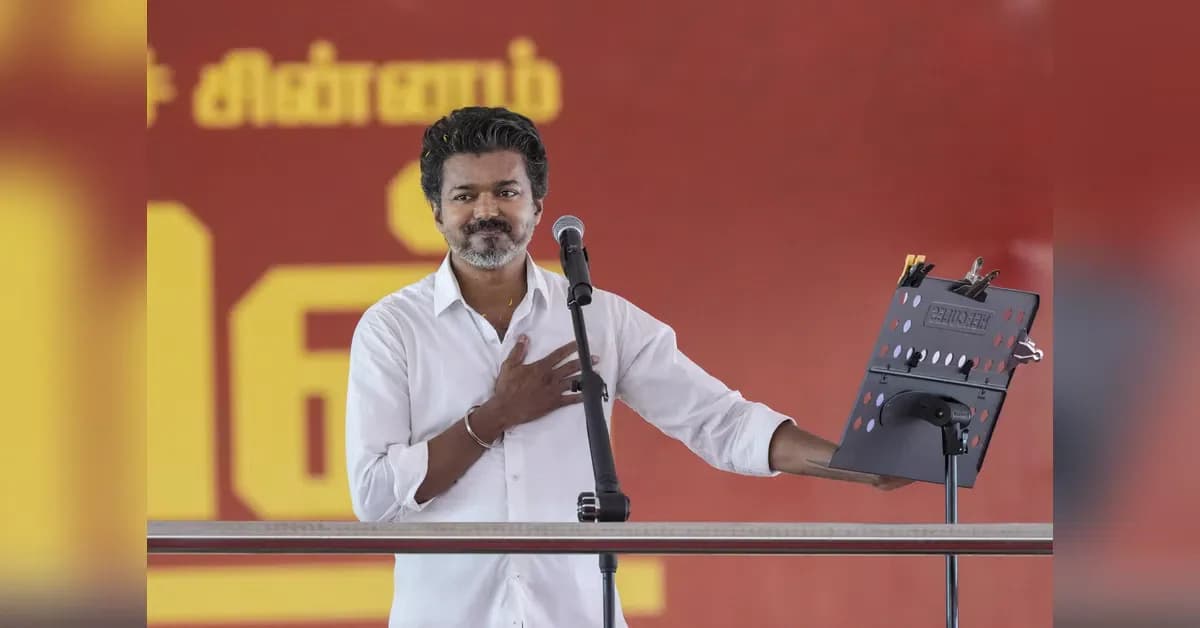
Actor-turned-politician Vijay's Tamilaga Vettri Kazhagam (TVK) has unveiled an expansive welfare manifesto promising ₹2,500 monthly for women heads of households, six free LPG cylinders annually for every household, and ₹4,000 monthly grants for 10 lakh unemployed graduates. According to reports from The Indian Express, the manifesto also includes several other financial support schemes targeting farmers, youth, women and government employees. Based on these commitments and official state data, the projected annual expenditure on welfare spending alone could approach ₹1 lakh crore, representing a jump of more than 52 per cent compared with the roughly ₹65,000 crore spent on welfare schemes by the previous DMK government in FY26. As Political Pulse News reports, this new government's projected welfare expenditure equals approximately one-third of Tamil Nadu's total revenue receipts of ₹3.31 lakh crore, as per the 2025-26 state budget.
The scale of proposed spending becomes clearer when compared with Tamil Nadu's financial capacity. As reported by The Indian Express, Tamil Nadu's total revenue receipts for FY26 stand at around ₹3.31 lakh crore according to the state budget. This means TVK's projected welfare bill alone could account for nearly one-third of the state's revenue income. Economists and policy observers believe such a large expansion in revenue expenditure could put significant pressure on the state budget, with the proposed welfare measures potentially increasing the fiscal deficit from the budgeted 3 per cent of GSDP in FY26 to an estimated 3.5-4 per cent. As Political Pulse News notes, if financed entirely through higher expenditure without new revenues, this could push the fiscal deficit from the budgeted 3% of GSDP in 2025-26 to about 3.5-4.0%.
Tamil Nadu already carries debt estimated at around 26 per cent of Gross State Domestic Product (GSDP). According to The Indian Express, if the proposed welfare measures are implemented without substantial new revenue streams, the state's fiscal deficit could rise from the budgeted 3 per cent of GSDP in FY26 to an estimated 3.5-4 per cent. This may narrow the government's flexibility for capital expenditure and infrastructure investment, potentially complicating TVK's biggest political promise of job creation for youth. As Political Pulse News reports, this does not count the projected spending on a cooperative farm loan waiver and legally guaranteed MSP procurement of paddy and sugarcane that have been promised in the manifesto and for which comparable state data is not available.
Beyond direct welfare schemes, TVK has proposed several other financial commitments that could substantially increase recurring expenditure. As reported by The Indian Express, these include cooperative farm loan waivers, legally guaranteed Minimum Support Price (MSP) procurement for paddy and sugarcane, increased police salaries from ₹18,500 per month to ₹25,000, a ₹1,000 monthly hardship allowance, and permanent jobs for temporary teachers, nurses and staff who have completed five years of service. The manifesto also promises an AI Ministry and AI city aimed at attracting global technology companies, with AI innovation hubs planned in key cities like Madurai, Coimbatore, Salem, and Tiruchirappalli. As Political Pulse News notes, building an AI ecosystem could involve setting up data centres, allocating adequate power and offering tax incentives, but the manifesto does not spell out what investments will be made to realise this.
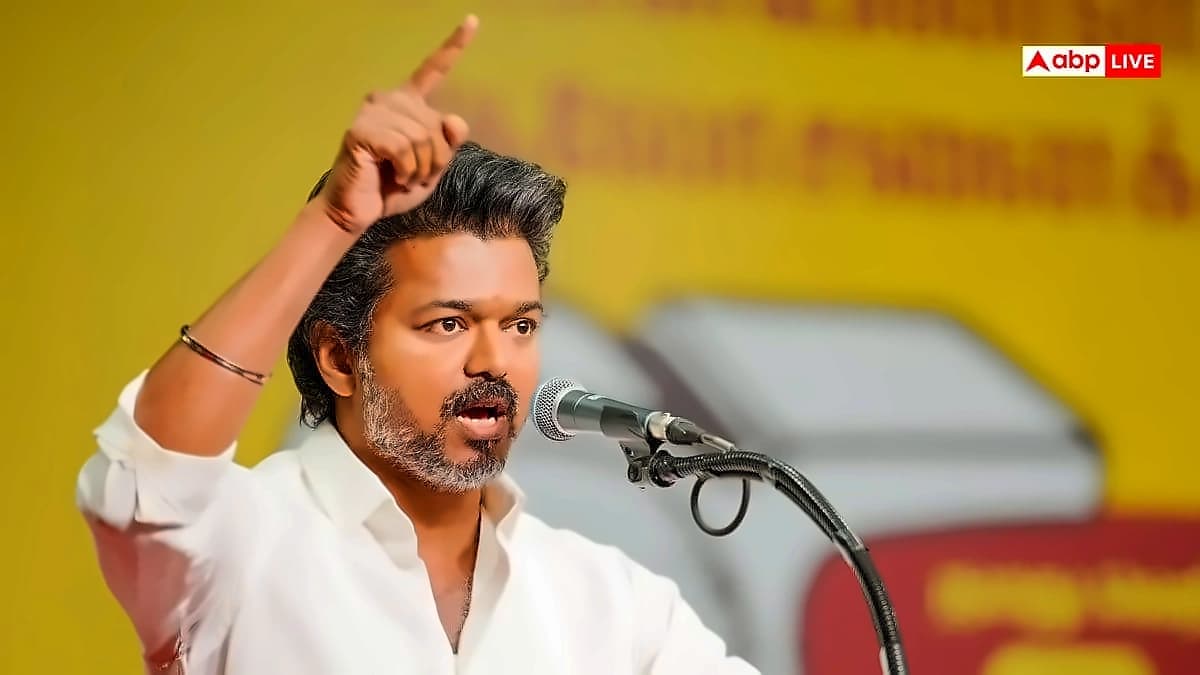
The manifesto represents an expansion of Tamil Nadu's traditional political model rather than a dramatic departure from it. According to The Indian Express, the state has long been known for targeted welfare politics, and TVK appears to be doubling down on this framework by addressing almost every major voter segment through a combination of subsidies, grants and financial support. However, critics point out that while the manifesto speaks extensively about social welfare, it offers limited detail on how the state plans to generate additional revenues to fund these ambitious commitments. As Political Pulse News reports, the TVK's manifesto does not lay out an elaborate roadmap to find new avenues for revenue generation, merely stating: "By reducing the growing debt burden, increasing revenue without imposing any additional tax on the people, ensuring efficient and prudent expenditure, and creating new sources of income, Tamil Nadu will be transformed into a financially self-sufficient state."