The government has confirmed that most states and Union Territories have either finalised or published draft rules needed for implementing the four labour codes, while a few are still in the process of doing so. According to a written reply to the Lok Sabha by Minister of State for Labour and Employment Shobha Karandlaje, the Central Rules under the Code on Wages, 2019, Industrial Relations Code, 2020, Code on Social Security, 2020 and the Occupational Safety, Health and Working Conditions (OSH&WC) Code, 2020 were notified on May 8, 2026. Since labour is a subject in the Concurrent List of the Constitution, states and Union Territories are required to frame their own rules under the labour codes.
The Labour Codes introduce significant reforms specifically designed to benefit the MSME sector, which accounts for 30.1% of India's GDP and employs nearly 28 crore people across 6.5 crore units. As reported by the Press Information Bureau, the overall approval timeline has been reduced from 90 days to 30 days, drastically cutting approval delays and enabling MSMEs to establish and scale operations faster. The codes introduce electronic single registration, single return, and single all-India licenses valid for five years as well as deemed approvals, promoting both ease of living and ease of doing business while reducing procedural delays and administrative costs. The reforms address long-standing bottlenecks through rationalised thresholds, digitised paperwork, predictable timelines, and reduced inspections, making compliance simpler and more predictable for this crucial sector of the economy.
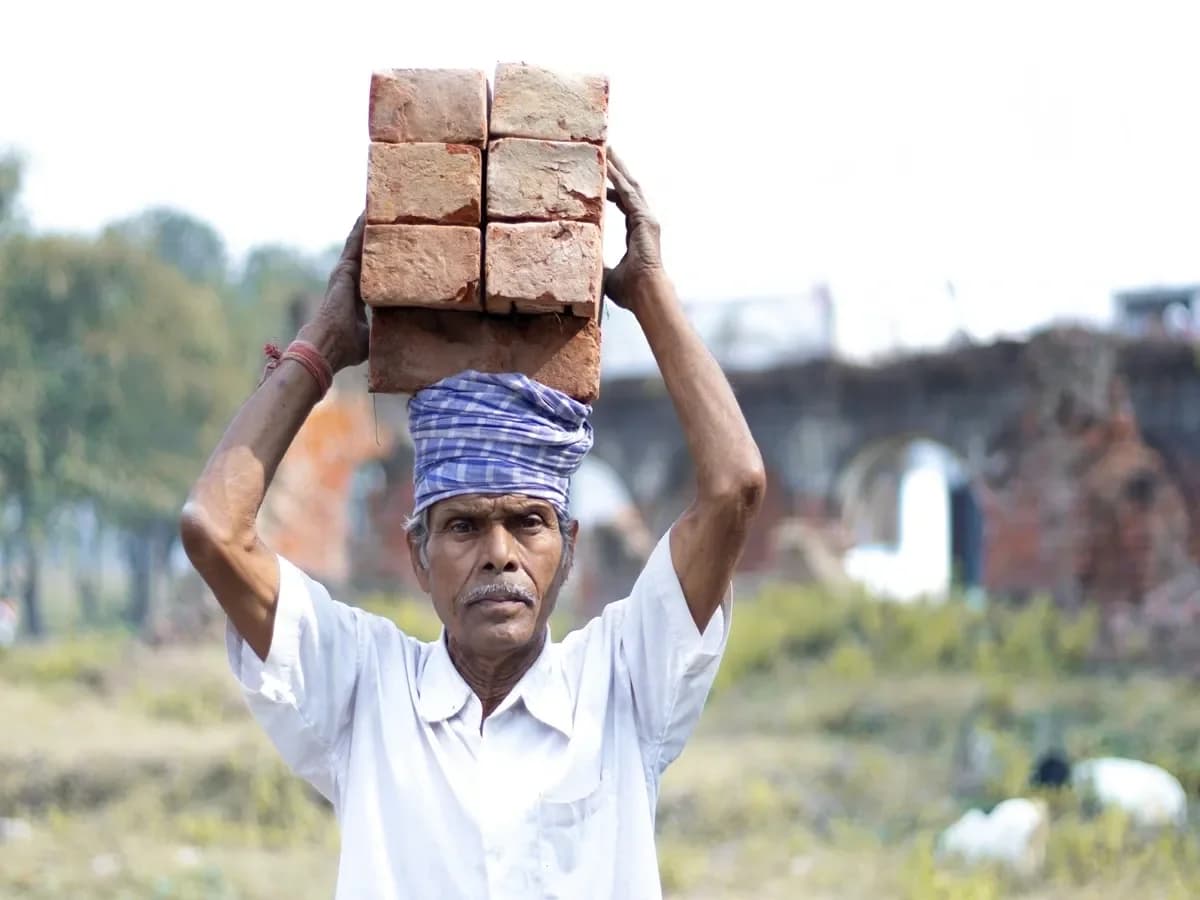
The labour codes will provide universal minimum wages and social security benefits for workers, marking a significant expansion in worker protection. According to the minister's statement, the codes define gig and platform workers for the first time to enable formulation of schemes covering life and disability cover, accident insurance, health and maternity benefits and old-age protection. The new framework also seeks to reduce multiplicity of definitions and authorities, promote greater use of technology, improve transparency and accountability in enforcement. Minimum rates of wages shall be fixed for time work and piece work, based on hourly, daily, or monthly wage periods, taking into account the skill of the employee and the arduousness of the work. Under the Social Security Code, 2020, fixed-term employment can benefit employers through simplified compliance processes and enhanced worker protection frameworks.
The four labour codes, which consolidate 29 central labour laws, came into effect on November 21, 2025. As reported by Karandlaje, the codes provide for measures such as mandatory appointment letters, universal minimum wages, wider social security coverage, simplified compliance norms and enhanced protections for contract, fixed-term, gig and platform workers. The minister emphasized that these comprehensive changes represent a significant modernization of India's labour law framework. In place of six boards under the existing laws, there will be one unified board to bring uniformity of standards across the country, eliminating state-wise variation and promoting fairness, predictability, and simpler compliance for MSMEs operating in multiple states. The codes modernise the social security landscape, making compliance simpler and more predictable while promoting a more harmonious environment through facilitative rather than intrusive inspections.