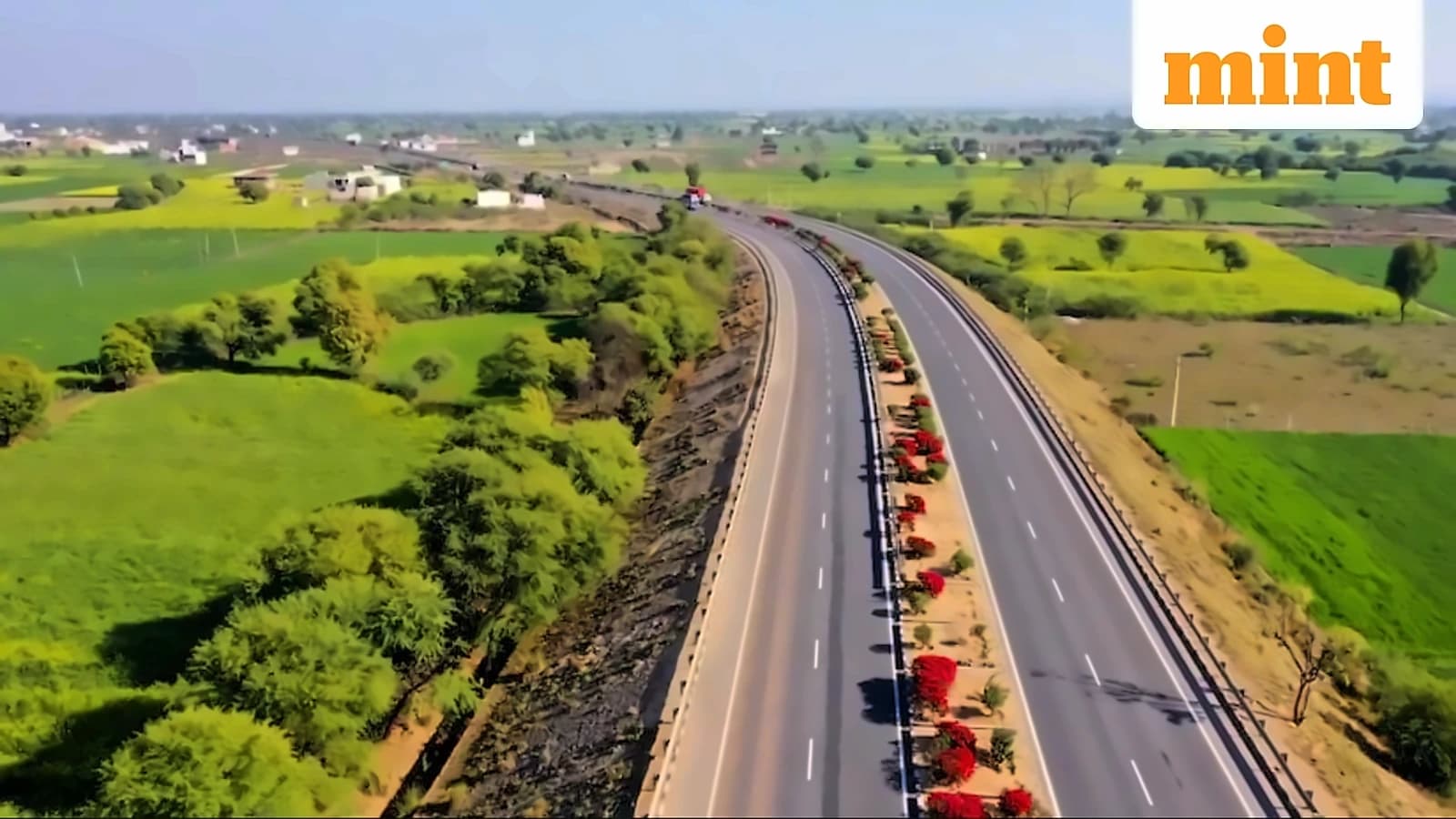
The Securities and Exchange Board of India (SEBI) has finalized significant amendments to the framework for calculating Net Distributable Cash Flows (NDCF) for Infrastructure Investment Trusts (InvITs), following extensive industry consultations. As per the latest draft circular dated July 11, 2025, SEBI has introduced new provisions allowing road InvITs to add back debt-funded major maintenance expenses while computing distributable cash flows. The proposal addresses long-standing industry concerns about how maintenance costs are currently treated under the standardized framework established in December 2023. The mechanism should apply only to the 'Roads and Bridges' sector and requires strict unitholder approval. Under the current framework, InvITs are barred from distributing cash flows generated through external debt, while major maintenance expenses are treated as operating costs under accounting rules and deducted from operating cash flows while calculating NDCF. SEBI's latest proposal states that "payments made for the purpose of MM expense for the Road Projects of InvITs to the extent funded by external debt will be allowed to be factored (added back) for the purpose of the NDCF computation."
The proposal came after SEBI received representation from the Bharat InvITs Association (BIA) regarding the treatment of debt availed by InvITs for incurring major maintenance expenses of road projects while calculating the NDCF. The industry association highlighted that although major maintenance (MM) expenses extend the road's life and enhance its quality, they cannot be capitalised under generally accepted accounting principles because they don't generate future economic benefits, such as extended concession periods or increased toll revenue. Since InvITs holding road projects cannot capitalise these MM expenses under the current NDCF framework, any MM expense incurred by availing debt is mandatorily reduced from the operational cash flow, which decreases the NDCF. SEBI's latest draft paper explains that major maintenance expenses are treated as operating expenses, although the quantum of such expenses over the life of the project is generally significant and necessary to maintain road assets and meet concession agreement specifications. The BIA specifically noted that "Most InvITs and their investors have considered that major maintenance expenses shall be funded through debt and a shift in approach would significantly increase the weighted average cost of capital for special purpose vehicle acquisitions. This may discourage the developers from monetising their projects through InvITs."
SEBI's finalized proposal includes comprehensive safeguards to ensure transparency and investor protection while facilitating ease of doing business. The framework requires unitholder approval with at least 60% majority before adding back major maintenance expenses, with approval required where votes cast in favour of the resolution should be at least 60% of total votes cast. When seeking unitholder approval, the explanatory statement accompanying the notice for the unitholding meeting should disclose the names and details of the projects/SPVs/Holdcos for which the MM debt is proposed or has already been raised. Other required disclosures include whether the MM debt may be raised at the Trust level or SPV/HoldCo level; the category of all expenses considered as MM expenses; year-wise and project-wise estimates of the MM expenses for which debt is raised or proposed to be raised, based on the latest available valuation report; and the possible impact on the InvIT's future growth potential due to using debt for MM expenses. Additionally, SEBI has proposed extensive disclosure requirements including project-wise maintenance estimates, the impact of maintenance-related borrowing on future growth and distributions, and alternative funding options if debt is unavailable. Statutory auditors will be required to certify that the expenditure qualifies as major maintenance and has been funded through external borrowing, while InvITs will additionally have to disclose maintenance-related borrowings in debt maturity profiles, leverage ratios and NDCF statements.
Market participants have consistently argued that the current framework raises acquisition costs and may discourage developers from monetizing road assets through the InvIT route. The new framework addresses these concerns by allowing payments towards major maintenance of road projects to the extent funded through external debt to be added back while computing NDCF. SEBI has invited public comments until June 22, 2026 through its web-based consultation platform, indicating the regulator's commitment to gathering industry feedback before finalizing the new framework. The proposal represents a significant shift in how road InvITs calculate their distributable cash flows, potentially leading to more stable and predictable returns for investors while maintaining transparency requirements. The relaxation would apply only to projects classified under the roads and bridges infrastructure sub-sector, with InvITs needing prior approval from unitholders before raising debt for such expenses, which may be obtained either for the entire project life cycle or for specific maintenance programmes. Approval can be obtained on a one-time basis covering the entire project life cycle or for specific MM expenses, but any deviation requiring additional debt necessitates prior unitholder approval.