The alarming scale of digital financial frauds has been highlighted at the ANMI Seminar on Investor Awareness & Financial Education in Mumbai, with SEBI Executive Director Amit Pradhan revealing that digital and securities market frauds have led to massive losses exceeding ₹22,500 crore overall. According to The Economic Times, ₹17,500 crore was lost in security markets alone due to fake apps, unregulated products, and unverified investment channels. Pradhan warned against the risks of unregulated assets like cryptocurrencies and unverified influencer advice, urging young investors to prioritize capital protection and utilize simple regulated avenues like Demat accounts and SIPs. The seminar emphasized the critical need for investors to adopt the 'CVR' framework-Check, Verify, and Validate-to ensure entities are SEBI-registered before transferring funds, using tools like the SEBI Saathi app and the SEBI Check feature. Latest data from the GSMA India Consumer Scam Report 2026 reveals that 12% of Indian respondents reported being scammed in the last 12 months, compared to 8% in ASEAN-6 countries, highlighting India's particularly vulnerable position in the digital fraud landscape.
The Securities and Exchange Board of India's Investor Protection and Education Fund (IPEF) has grown almost four-fold to ₹969.8 crore in FY26 from levels in FY23, according to Mint analysis of SEBI data. However, expenditure from the fund rose only 2.2% over the period to ₹4.7 crore, meaning the regulator used only 0.4% of its total IPEF in FY26. This stark contrast has drawn attention within government circles, with concerns over underutilization of investor protection funds being discussed in the government's highest offices and inter-ministerial memos seeking a possible strategy on whether the funds are not very well aligned with ground realities. The low utilization has led Prime Minister Narendra Modi to mention digital frauds and the importance of investor protection in his monthly 'Mann Ki Baat' broadcast on 22 February. As reported by Mint, the government remains divided on whether intervention is warranted, with no clear resolution noted yet.
SEBI Chairman Tuhin Kanta Pandey launched Project Jagrook at Panjab University in Chandigarh on October 5, 2026, marking a significant expansion in India's securities market education efforts. The campaign was launched on the occasion of World Investor Week 2026, being observed in India from October 5 to 11. As reported by The Times of India, Pandey cautioned investors against taking investment decisions based on finfluencers, anonymous recommendations, or claims of unusually high returns. He emphasized that investors should 'Do not invest because someone told you to, do not invest because everyone else is investing. Invest because you understand'. The initiative brings together SEBI, stock exchanges, depositories, the National Institute of Securities Markets (NISM), the Association of Mutual Funds in India (AMFI) and other partner organisations for a coordinated investor-education effort. The campaign will be available in English, Hindi and 11 regional languages, with communication efforts planned to continue through March 2027. Deepti Aggarwal, Chief General Manager at SEBI, introduced the core objectives of SEBI's 'Samajh Se Investing Simple' campaign under Project Jago, emphasizing bridging the gap between high awareness and actual participation by delivering simple financial content in regional languages. The WhatsApp campaign component has delivered over 24 crore messages over the past three days, demonstrating significant reach and engagement in the initiative.
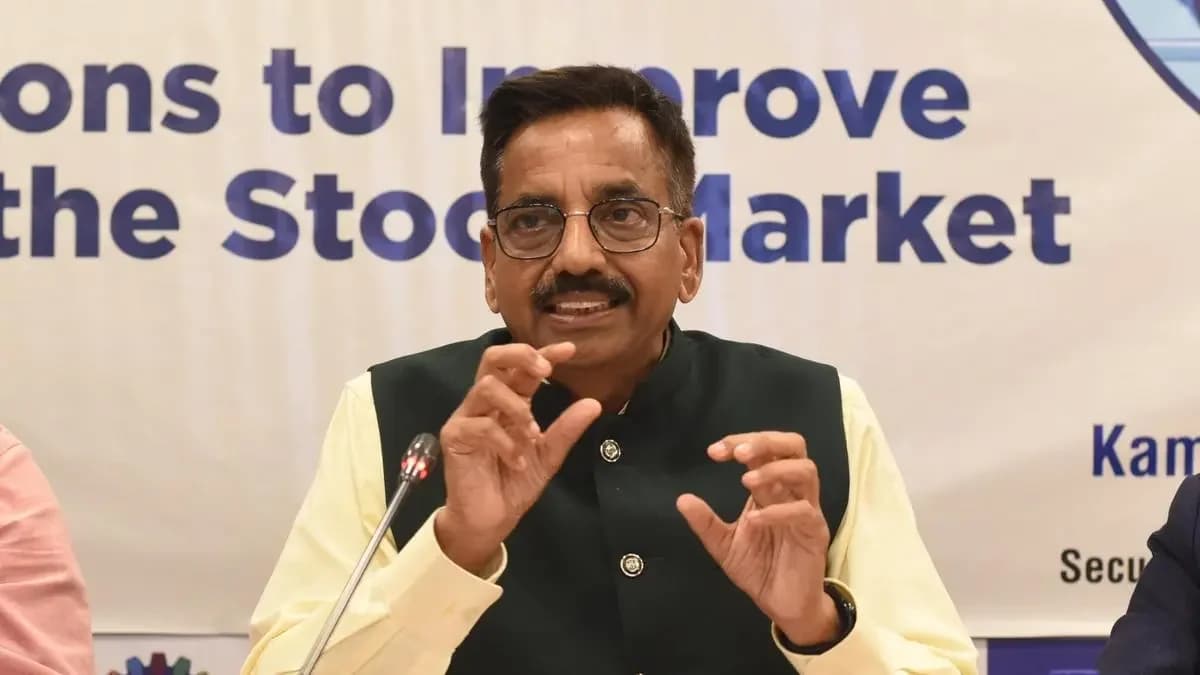
SEBI Chairman Tuhin Kanta Pandey highlighted significant growth in women's participation in Indian capital markets at the AMFI-Pinkathon Investor Awareness Program held as part of World Investor Week 2026. According to The Hindu BusinessLine, women account for around 25% of capital market participation and about 27% of individual mutual fund investors in India. India now has more than 1.6 crore women mutual fund investors, with women comprising around 23% of mutual fund distributors. Pandey noted that SEBI has introduced additional incentives to onboard new women investors and new individual investors from beyond the Top 30 cities to widen access. The Chairman emphasized that financial well-being depends on informed, consistent decisions rather than one-time efforts, and stressed that lasting trust in the market requires clear communication, honest risk disclosure and responsible distribution practices across the investment ecosystem. This growth in women's participation represents a positive trend in financial inclusion and demonstrates the effectiveness of SEBI's outreach initiatives.
SEBI's 2025 survey covering 91,950 households across urban and rural India found that 62% of investors make some or most investment decisions based on finfluencer recommendations, according to Mint reports. SEBI's annual report for FY26 noted that many such influencers operate without accountability or verified performance data. The regulator has developed tools to help investors verify such details, including the verification facility available through the Google Play Store and Sebi Check. Pandey highlighted that fake apps and fake individuals are increasingly being used to target investors, with funds moved through mule accounts making it difficult for victims to recover their funds. By the time investors realise what has happened and approach the cyber police, it is often too late, according to Pandey's latest statements to ANI. The regulator has developed tools to help investors verify such entities and channels, with SEBI Check available on the Google Play Store being one such tool investors can use before monetary transactions. Latest GSMA data reveals that online shopping scams at 33% are the most common type in India, followed by prize, lottery and inheritance scams at 31%, and job or income scams at 30%, with messaging apps involved in 42% of Indian victims' scams.