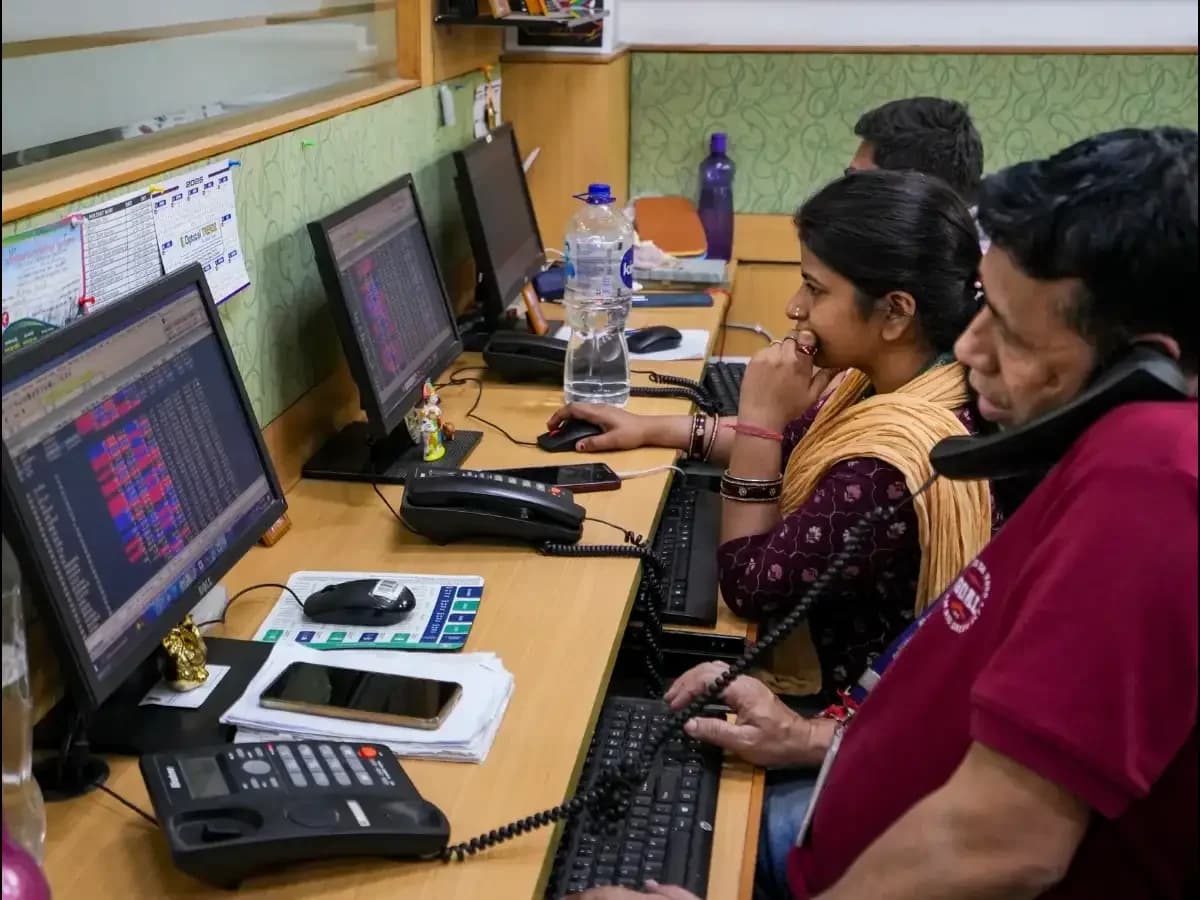
The Securities and Exchange Board of India (SEBI) is implementing revised margin requirements for commodity derivatives trading effective December 1, 2026. According to reports from Livemint, the new framework categorizes commodities into three volatility groups with different minimum initial margin requirements. The minimum initial margin will be 6% for low-volatility commodities, 8% for medium-volatility commodities and 10% for high-volatility commodities. Additionally, SEBI has prescribed a minimum Margin Period of Risk (MPOR) of two days for low- and medium-volatility commodities and three days for high-volatility commodities. The framework applies equally to both agricultural and non-agricultural commodities based on their volatility classification rather than their agricultural status. As reported by The Times of India, this revised framework specifically targets traders dealing in commodities such as gold and silver, implementing higher collateral thresholds for riskier contracts.
The new requirements will significantly affect the minimum collateral traders must maintain against commodity derivatives positions. As reported by Livemint, for a hypothetical commodity derivatives position worth ₹1 lakh, a trader would need to deposit at least ₹6,000 at 6% margin, ₹8,000 at 8% margin, and ₹10,000 at 10% margin. However, these percentages represent minimum regulatory floors, with exchanges and brokers potentially imposing additional requirements depending on contract specifications and prevailing market conditions. The framework covers both agricultural and non-agricultural commodity derivatives, with the applicable margin depending on the commodity's volatility classification rather than its agricultural or non-agricultural status. According to The Times of India, these higher collateral requirements particularly impact traders dealing in riskier contracts such as gold and silver, as the new framework specifically targets these commodities with enhanced margin requirements.

The revised framework establishes clear risk assessment parameters for commodity derivatives trading. According to Livemint, MPOR refers to the period of potential market exposure considered when assessing trader default risk. The longer three-day period for highly volatile commodities accounts for greater price fluctuation possibilities while managing or closing defaulted positions. Initial margin determines the minimum collateral requirement, while MPOR establishes the minimum risk-assessment period, though actual obligations depend on contract specifications and additional margins. No single margin percentage guarantees protection against market losses, as traders can still face losses exceeding their deposited amount during adverse price movements.
The revised margin requirements cover both agricultural and non-agricultural commodity derivatives, as reported by Livemint. SEBI announced these changes through a circular dated November 17, 2026, with the framework remaining applicable for one year unless extended through a separate circular. Recognized clearing corporations in the commodity derivatives segment have been directed to implement necessary changes and inform market participants. The new rules should not affect ordinary gold ETF investments, which remain distinct from commodity derivatives trading positions. Before trading under the revised framework, investors should verify their commodity's volatility classification, applicable margin requirements, and any additional collateral demands from their broker. According to The Times of India, this framework specifically impacts traders dealing in commodities such as gold and silver, where the enhanced margin requirements will significantly affect trading activity and capital requirements.