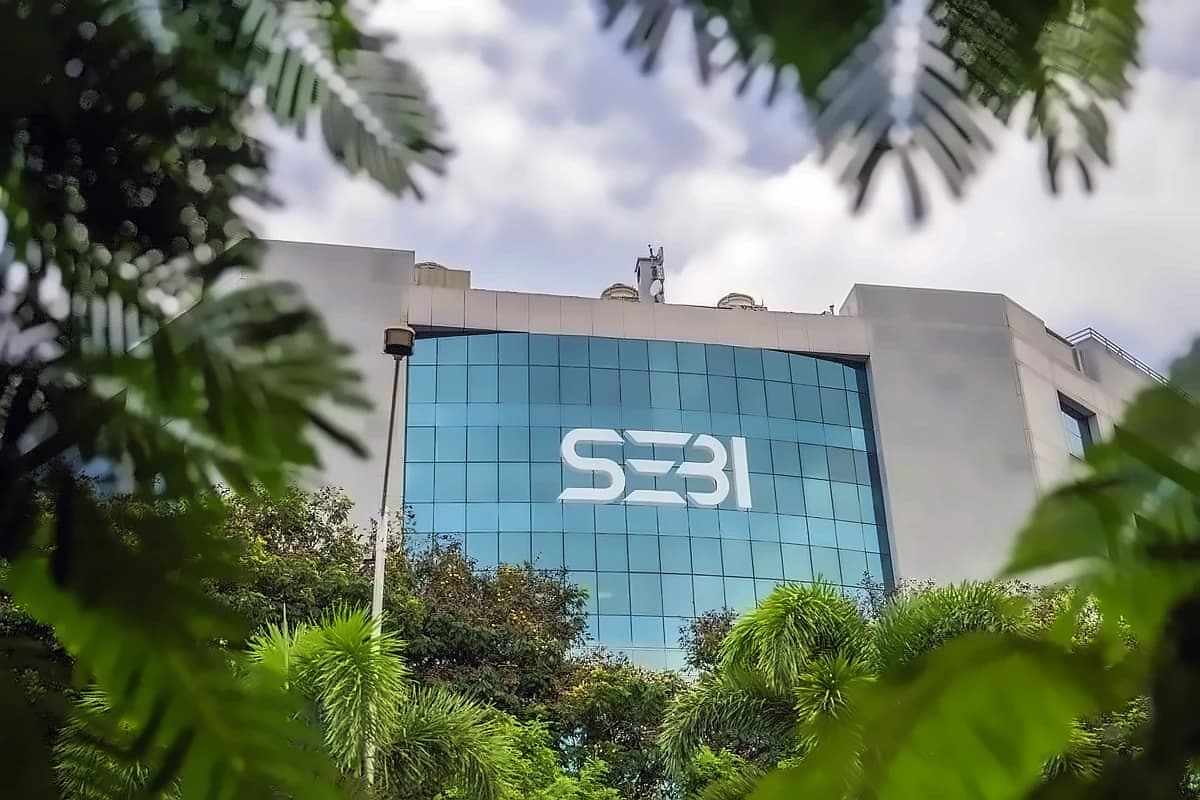
The Securities and Exchange Board of India (SEBI) has introduced a common advertising code for market intermediaries through the Securities and Exchange Board of India (Intermediaries) (Second Amendment) Regulations, 2026, which came into force on January 1, 2027. According to The Hindu BusinessLine and Business Standard, this new framework allows celebrities to endorse regulated entities at both brand and entity levels, with specific restrictions on the nature of such endorsements. The regulations define 'advertisement' as any form of communication, endorsement or representation, whether written, audio, visual, verbal or of any other form, disseminated through any channel, including print media, broadcast media, digital media, outdoor media, and social media platforms. The notification dated October 8, 2026, officially notified this comprehensive framework for market intermediaries.
As reported by The Hindu BusinessLine and Business Standard, celebrities shall be allowed to endorse the regulated entity at the brand level or the entity level. However, such endorsements may include the name of products or services offered by a regulated entity but may not include any inducement or claim directly or indirectly regarding any specific product or service. Any advertisement featuring celebrity shall be issued only with the prior approval from supervisory body or the Board (if no such body has been specified by the Board for regulated entity). Additionally, expenses incurred towards celebrity endorsements shall not be passed on to the clients or charged to the scheme of the mutual fund. The regulations also specify that ratings or rankings may be used only in accordance with the prescribed Past Risk and Return Verification Agency framework.
To address digital advertising formats, SEBI has allowed abbreviated disclosures in SMSes, push notifications and pop-ups, provided they include hyperlinks to full risk disclosures. According to the notification, this provision enables regulated entities to communicate effectively with clients through modern digital channels while maintaining regulatory compliance standards. The regulations also specify that advertisements shall be true, fair, accurate, complete and unambiguous, and shall not be so designed as likely to be misunderstood or likely to disguise the significance of any statement.
The regulations establish strict compliance measures for regulated entities. Regulated entities must act within seven days of becoming aware of unauthorised third-party advertisements and report the action to the supervisory body. SEBI may initiate regulatory action for violations and direct supervisory bodies to take appropriate measures. The regulations also prohibit misleading advertisements, guaranteed or risk-free return assurances, unwarranted performance claims, deceptive comparisons, testimonials, inappropriate promotional incentives and the use of prohibited dark patterns. Certain communications are exempted from the advertisement definition, including greetings, condolences, recruitment communications, and surveys issued to registered clients.