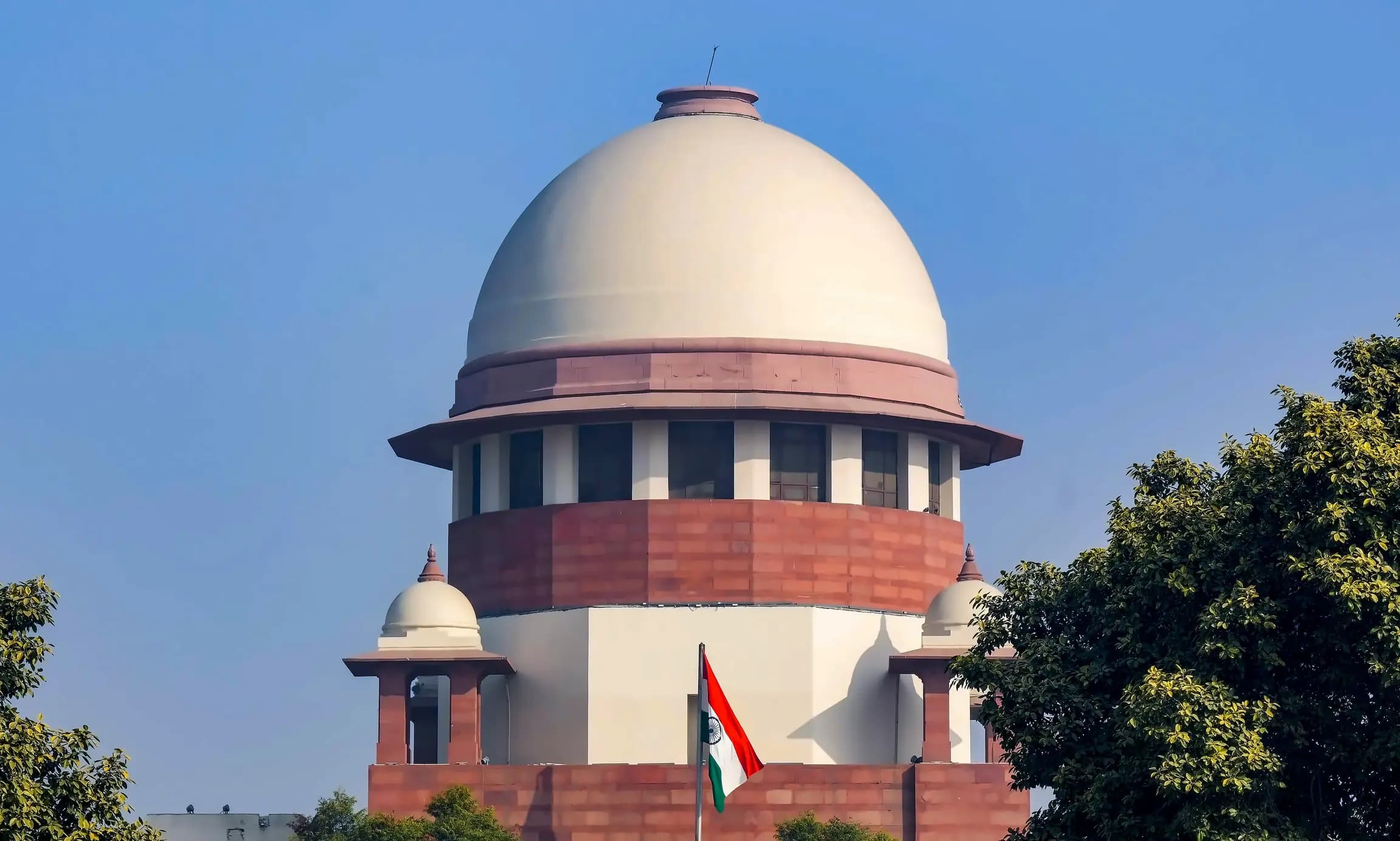
The Supreme Court has directed private universities across India to disclose five years of audited financial records, fee structures, fund utilisation, and details of surplus investments as it examines whether such institutions are operating in accordance with their educational purpose. According to reports from LiveLaw, a bench of Justices Ahsanuddin Amanullah and NV Anjaria stated that private universities cannot be allowed to function as profit-making institutions, while institutions could maintain a reasonable financial cushion to ensure their smooth functioning and adequately compensate teaching and non-teaching staff. The directions were issued on September 17, 2026, in proceedings that began with a student's grievance concerning Noida-based Amity University and have since been expanded to examine the functioning and regulation of private universities across the country in the larger public interest.
The court has mandated private universities to provide detailed information on funds generated and utilised over the past five years, including payments made to people not directly involved in educational functions. As reported by LiveLaw, universities must explain how surplus funds are handled and where such funds are invested. Details of fees collected at admission and during courses, including collections under development funds or special event charges, have also been sought. The financial disclosure requirements extend to recruitment of teaching and non-teaching staff, their salaries and remuneration, and the manner of payments made. Universities will have to disclose how students are admitted to different courses and identify those responsible for admissions, examination paper-setting, conducting exams, evaluation and handling funds. The information is expected to cover both the money generated by the institutions and the manner in which those funds were utilised, seeking to establish how university resources are generated, managed and deployed.
Universities must provide information on service conditions and the allocation of classes to teaching staff from January 2025 onwards, covering classes allotted to teachers, classes actually taken, and alternative arrangements made when teachers were unavailable. According to LiveLaw reports, the Supreme Court has sought details of the procedure followed for admissions to each course, as well as the roles of management and other officials in admissions, setting examination papers, conducting examinations, evaluating answer sheets and handling funds. The directions also cover grievance-redressal mechanisms, including their composition, complaints received over the past three years, outcomes and resolution times. Information on teaching workload has also been sought, requiring universities to identify who assigns classes, how many classes were allotted to teachers and how many were actually conducted. The court has made it clear that private status does not mean an institution can operate primarily for generating profits, while recognising that universities need adequate financial resources to maintain their operations and compensate employees suitably.
The court has demanded information on benefits received by private universities from the Centre and state governments, including land allotments, legal relaxations and other concessions. For universities and colleges attached to hospitals, details of the hospitals and the relationship between the institutions have been sought. As reported by LiveLaw, recognising and affiliating bodies have been directed to provide details of inspections conducted over the past five years, including information on faculty and supporting staff. The order also seeks disclosures from professional regulatory bodies in sectors including medicine, dentistry, nursing, law, pharmacy and veterinary education. The court has specifically sought information from the relevant regulatory bodies governing medical, dental, nursing, pharmacy, law and other professional education, covering bodies such as the National Medical Commission, Dental Council of India, Bar Council of India, Indian Nursing Council and other relevant professional regulators. The directions place such benefits within the wider examination of how private universities are established and supported and whether the resources and concessions associated with them are being used in accordance with their educational purpose.
The Union government, state governments and Union Territories have been directed to collect the required information from the concerned universities and colleges and file affidavits through their Chief Secretaries. The deadline is six weeks from September 17, 2026, the date of the Supreme Court's order. The court's next hearing in the matter is scheduled for November 19, 2026. The nationwide exercise could provide the court with a broader picture of the financial structures, fee practices, admission systems, government benefits and regulatory oversight associated with private universities. The proceedings will determine how the information submitted by the institutions and governments is examined further, with the matter scheduled to be heard next on November 19, 2026.