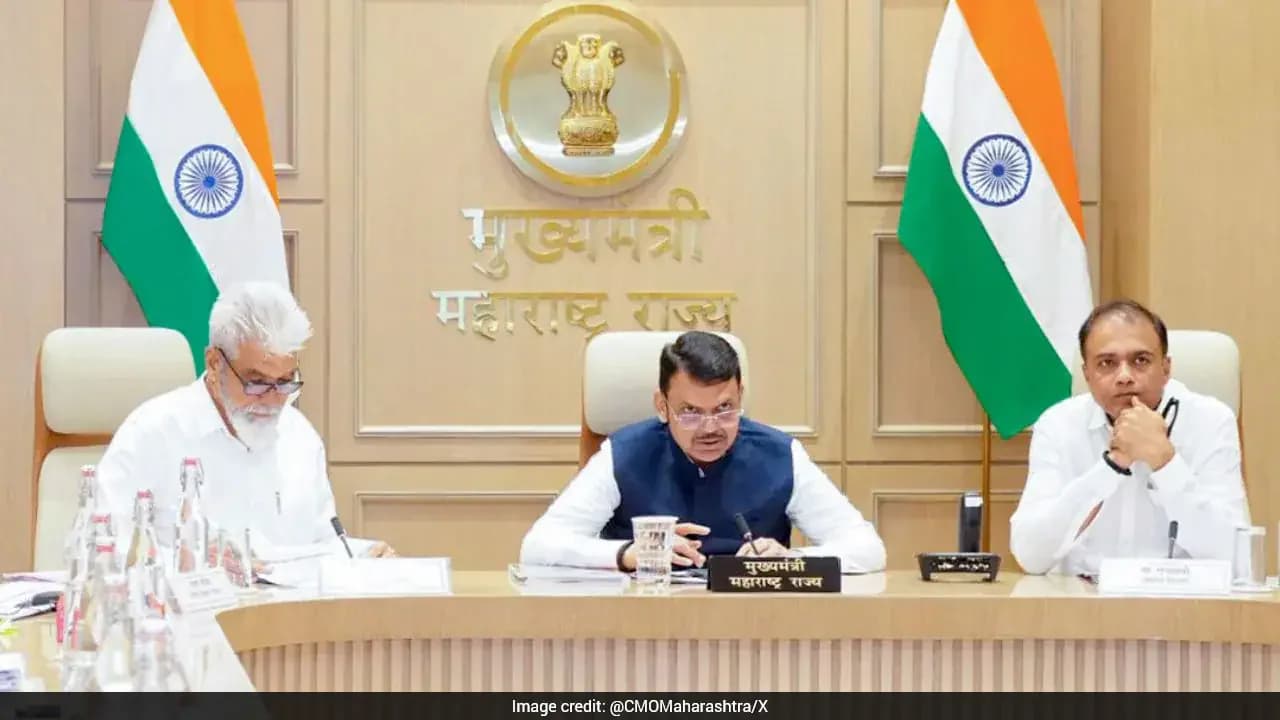
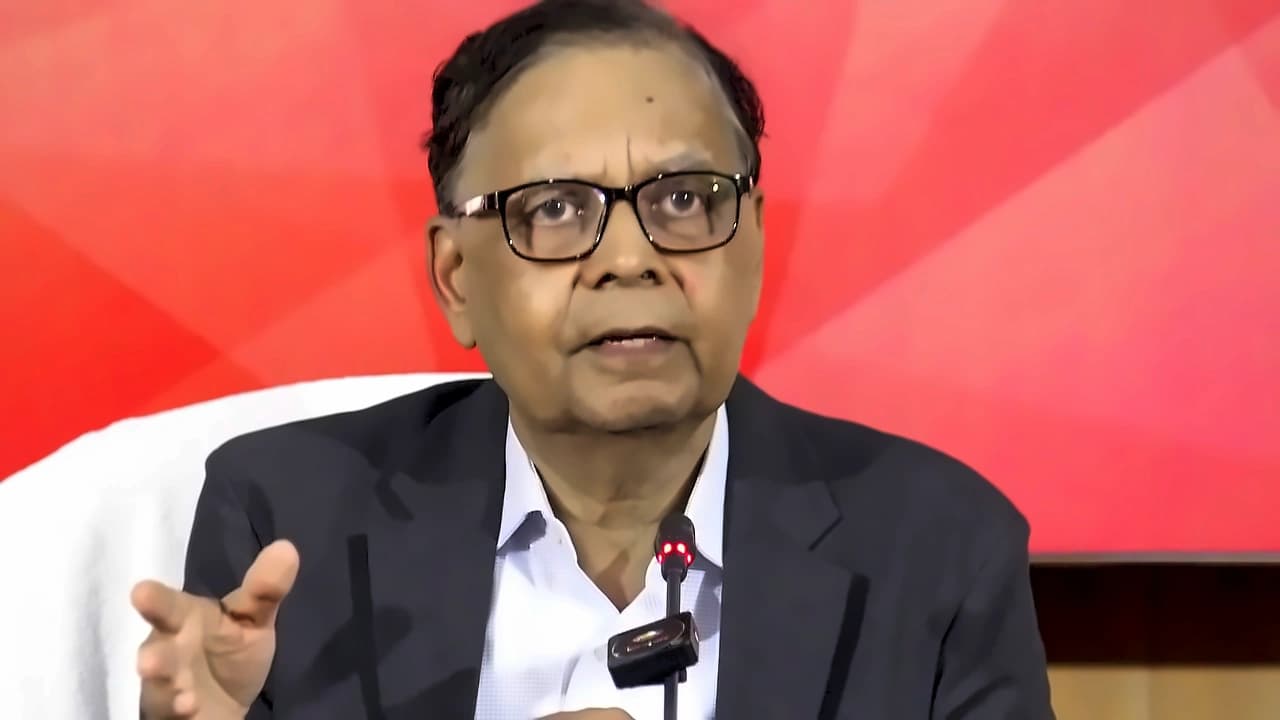
The Ministry of Panchayati Raj has recommended establishing permanent State Finance Commission (SFC) cells within state governments to maintain and regularly update fiscal and institutional data, according to a report released by the Committee on Datasets for State Finance Commissions. The report, titled Datasets for State Finance Commissions, also proposes creating Gram Panchayat-level fiscal databases and standardising accounting practices for local bodies. At the launch, Chief Economic Adviser V Anantha Nageswaran emphasized that the effectiveness of fiscal devolution depends on reliable and timely data, as SFCs rely on such information to assess infrastructure gaps, revenue capacity and developmental needs across panchayats while determining fund distribution. "SFCs need reliable and timely data at the level of individual gram panchayats. What this report documents carefully and honestly is that such data often does not exist in a usable form. Financial records are incomplete," Nageswaran said, noting that successive Finance Commissions from the 13th to the 16th have struggled with inadequate evidence bases for their recommendations.
The committee has recommended introducing uniform accounting heads for all transfers to local bodies across states and publishing a supplementary budget statement detailing devolution to rural and urban local governments, including Gram Panchayat-wise allocations. According to the report, different departments hold information in silos that don't talk to each other, and accounting standards vary across states, making comparisons impossible. The committee also suggested classifying Panchayat Advancement Index indicators into categories such as needs, performance and backwardness to support evidence-based fiscal assessments by SFCs. The report calls for creating comprehensive time series databases of gram panchayat finances to support trend analysis and assess local revenue-raising capacity, while noting that functional and sector-wise expenditure data are often unavailable, making it difficult to assess how funds translate into service delivery outcomes. The committee also recommended a common reporting framework for SFCs and stronger coordination with the Ministry of Statistics and Programme Implementation to ensure systematic availability of Gram Panchayat-level data.
As reported by the committee, information relating to local government finances, assets and service delivery remains fragmented across multiple departments, forcing SFCs to collect data from several sources and limiting their ability to undertake comprehensive fiscal assessments. The absence of Panchayat-level datasets and inconsistencies in accounting practices across states further affect the quality of analysis. The report noted that capacity constraints at the local level include shortages of trained accounting and data-management personnel, while platforms such as eGramSwaraj, the Panchayat Advancement Index, CAG audit reports and state budget documents provide useful data but continue to suffer from gaps in consistency, interoperability and granularity. The committee also highlighted the continued reliance on outdated datasets such as Census 2011 and the Socio-Economic and Caste Census, which further weaken the quality of available information. "As a result, the existing data ecosystem, though substantial in scope, falls short of meeting the analytical requirements of SFCs," the committee stated.
Highlighting what he described as one of the report's most significant recommendations, Chief Economic Adviser V Anantha Nageswaran stressed the need for a systematic assessment of the implementation of the 73rd Constitutional Amendment through a CAG-led performance audit. He noted that more than three decades after panchayats were granted constitutional status, there remains limited evidence on the extent of functional, financial and administrative devolution across states. "The CAG audit would tell us, state by state and function by function, where we actually stand. It would create an evidence base that does not currently exist and bring greater accountability for the gap between constitutional intent and administrative reality," Nageswaran said. He urged the Ministry of Panchayati Raj to pursue this recommendation with urgency and vigour, emphasizing that the audit would identify gaps between powers devolved on paper and actual transfer of funds and personnel. The committee warned that SFC functioning has been "significantly constrained by the limited availability of reliable, timely, and disaggregated data, particularly at the level of Gram Panchayats," affecting the quality and timeliness of recommendations and "weakening the broader framework of decentralised governance."
The committee has recommended creating a formal platform for interaction between current and former SFCs and developing a comprehensive manual to guide future commissions. Other recommendations include capacity-building programmes for SFCs, revival of Panchayat statistics publications, and a performance audit by the Comptroller and Auditor General (CAG) of the implementation of the 73rd Constitutional Amendment. The report also suggested publishing a joint handbook by the ministries of Panchayati Raj and Statistics on the availability of datasets at the district, block and Gram Panchayat levels, addressing persistent challenges faced by SFCs in carrying out their constitutional mandate of reviewing panchayat finances and recommending resource devolution principles. The report flagged delays in the constitution of SFCs and the submission of their reports, noting that variations in methodology and quality across states have reduced the usefulness of SFC recommendations in guiding fiscal transfers and decentralisation policies. The 73rd Constitutional Amendment, enacted in 1992, gave constitutional status to Panchayati Raj Institutions and mandated the constitution of State Finance Commissions every five years to recommend the devolution of financial resources to local bodies.