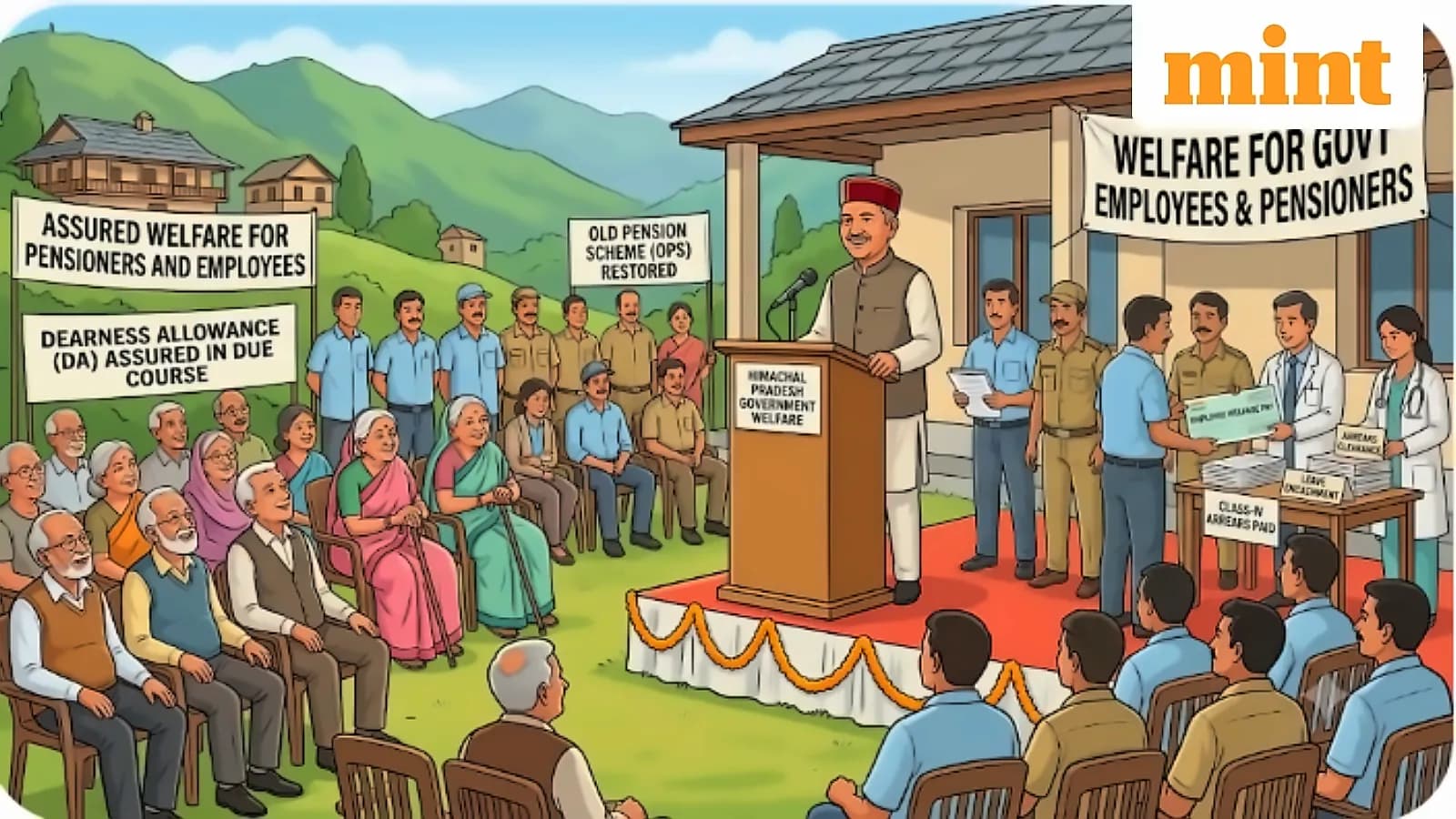
The Odisha government has assured 20+ lakh elderly pension beneficiaries that their delayed payments will be cleared by October 2026 after technical issues disrupted pension disbursals. According to Zee News, Social Security and Empowerment of Persons with Disabilities Minister Nityananda Gond provided this assurance in a written reply to the Odisha Assembly on September 25. The payments were delayed for some beneficiaries because of technical problems, with 20,33,959 beneficiaries covered under the Indira Gandhi National Old Age Pension Scheme (IGNOAPS) in the state. The government is working with the state finance department, the centre and treasury authorities to resolve the payment problems, with steps being taken to ensure that affected beneficiaries receive their pending pension along with arrears by October.
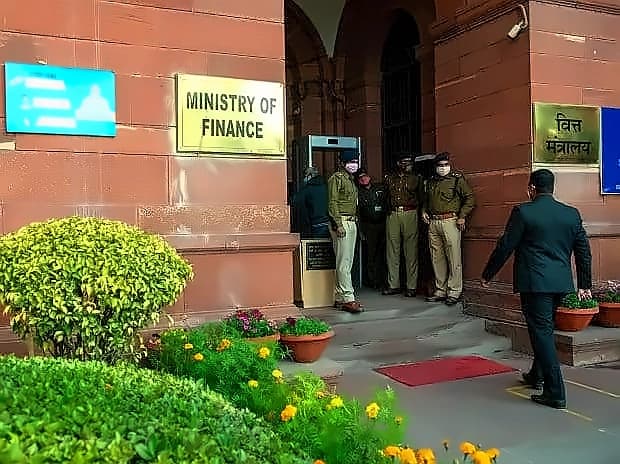
Odisha has implemented stricter norms for its Supplementary Budget for 2026-27, stipulating that departments cannot seek additional funds under any expenditure unit where spending till September 30 is less than 40 per cent of the annual Budget provision. According to the September 21 circular issued by the finance department, as reported by Business Standard, the government has directed all departments to treat the supplementary budget process as an exercise in re-prioritising expenditure rather than a routine process of seeking additional allocations. The restriction is particularly significant as the state prepares to present the supplementary statement of expenditure during the winter session of the Assembly in November-December, with the circular stating that "proposals involving additional requirement under units where expenditure till 30 September is less than 40 per cent of the budget provision, shall not be considered for inclusion under the Supplementary Statement of Expenditure for 2026-27."
Despite setting a record capital outlay of ₹72,100 crore out of the total ₹3.1 trillion Budget outlay for FY27, Odisha has faced significant challenges in capital spending. As reported by Business Standard, the state spent only ₹11,300 crore (15.7%) of the capital outlay till the end of July, indicating substantial delays in infrastructure development. The programme expenditure stood at ₹35,438 crore, representing approximately 19.7% of the estimated outlay of ₹1.8 trillion. This performance is particularly concerning given that the state had utilised only 65.9% of its budgeted capital outlay in 2025-26 by the end of March. Officials noted that this restriction is particularly relevant for departments doing capital-intensive expenditure, where significant gaps between budgetary provision and spending can delay the conversion of allocations into infrastructure and productive assets.
The amount due to beneficiaries will depend on their age and the number of unpaid months. According to Zee News, under the existing pension structure, senior citizens aged 60 to 79 receive ₹1,000 per month under the IGNOAPS, while beneficiaries aged 80 years and above receive ₹3,500 monthly. A beneficiary whose payment has been pending for five months would therefore have ₹5,000 in arrears (₹1,000 × 5 months) for the younger age group, and ₹17,500 for the older age group (₹3,500 × 5 months). The exact amount credited to an individual's account will depend on how many monthly payments are actually pending in that beneficiary's case, with the five-month calculation applying to those who have missed all five payments. The government has attributed the delay to technical problems, with the payment system having undergone technical changes this year.
The state government has established a long-term objective of transforming Odisha into a $500 billion economy by 2036. According to Business Standard, in preparing the supplementary Budget, the government has emphasised quality employment, livelihood opportunities, strengthening rural and urban infrastructure, and improving access to education, health care and basic amenities. The focus also includes accelerating industrialisation, investment, technology and green growth. All administrative departments have been directed to assess expenditure related to livelihood and competing capital projects, while identifying savings in existing budgetary provisions to meet additional requirements wherever possible. The circular also covers requirements arising from Centrally Sponsored Schemes and the SNA-SPARSH (Single Nodal Agency - Samayochit Pranali Ekikrit Shighra Hastantaran) funding mechanism.