NITI Aayog Vice Chairperson Ashok Lahiri emphasized that institutionalizing behavioural economics principles can fundamentally reshape India's governance approach. According to reports from PTI, Lahiri spoke at the inaugural Cheistha Kochhar Nudge Awards 2026 and highlighted that the most important lesson from behavioural economics is not defining rational choices but understanding how to make rational people actually behave. He positioned this as a pathway to create citizen-centric, outcome-oriented, and fiscally efficient governance.
As reported by PTI, Lahiri cited Jan Dhan Yojana and LPG subsidy reforms as prime examples of behavioural principles applied to practical governance challenges. These initiatives demonstrate successful applications of behavioural science to address sanitation, gender equality, financial inclusion, and subsidy delivery systems. The Vice Chairperson noted that these programs have shown measurable impact in improving service delivery and citizen engagement.
According to PTI, Lahiri outlined India's approach to institutionalizing behavioural economics through three key components: behavioural audits, field experiments, and digital public infrastructure. He explained that these tools enable testing, measuring, and rapidly scaling effective solutions. The Vice Chairperson emphasized that this systematic approach can help bridge the gap between policy design and actual citizen behavior, ensuring that governance interventions are more effective and sustainable.
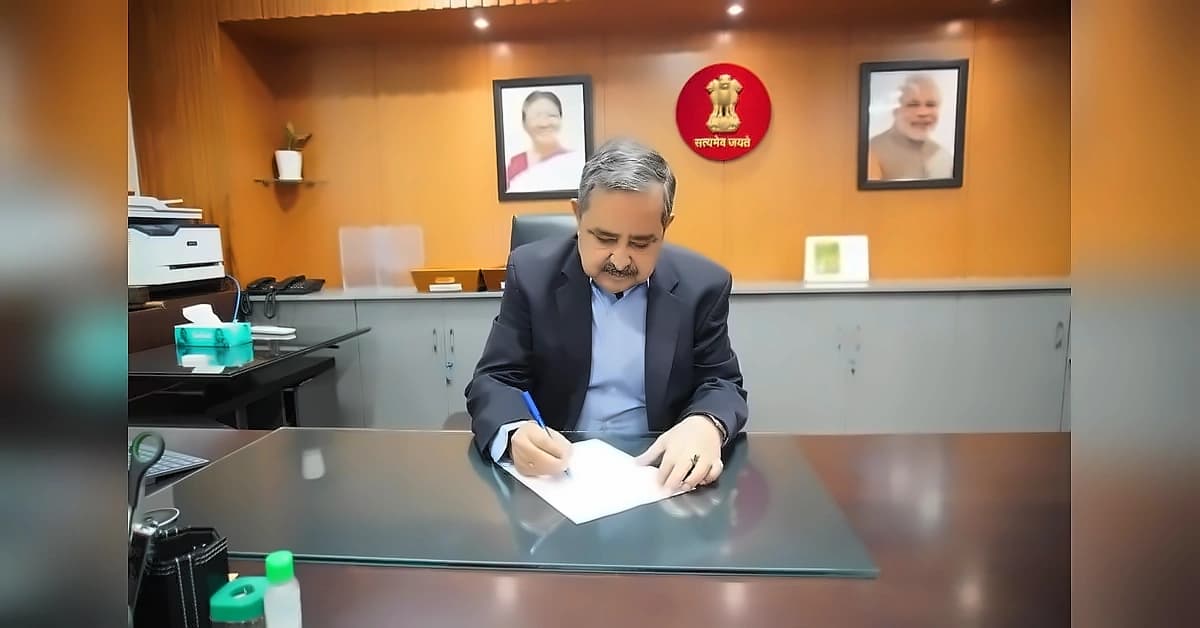
As reported by PTI, Lahiri identified India's next frontier in public policy as moving beyond designing better schemes to designing schemes around how citizens actually behave. He explained that nudges can help bridge this gap by subtly changing how choices are presented without compromising individual freedom. The Vice Chairperson positioned this as a fundamental shift in how policy interventions are conceived and implemented to maximize their effectiveness.