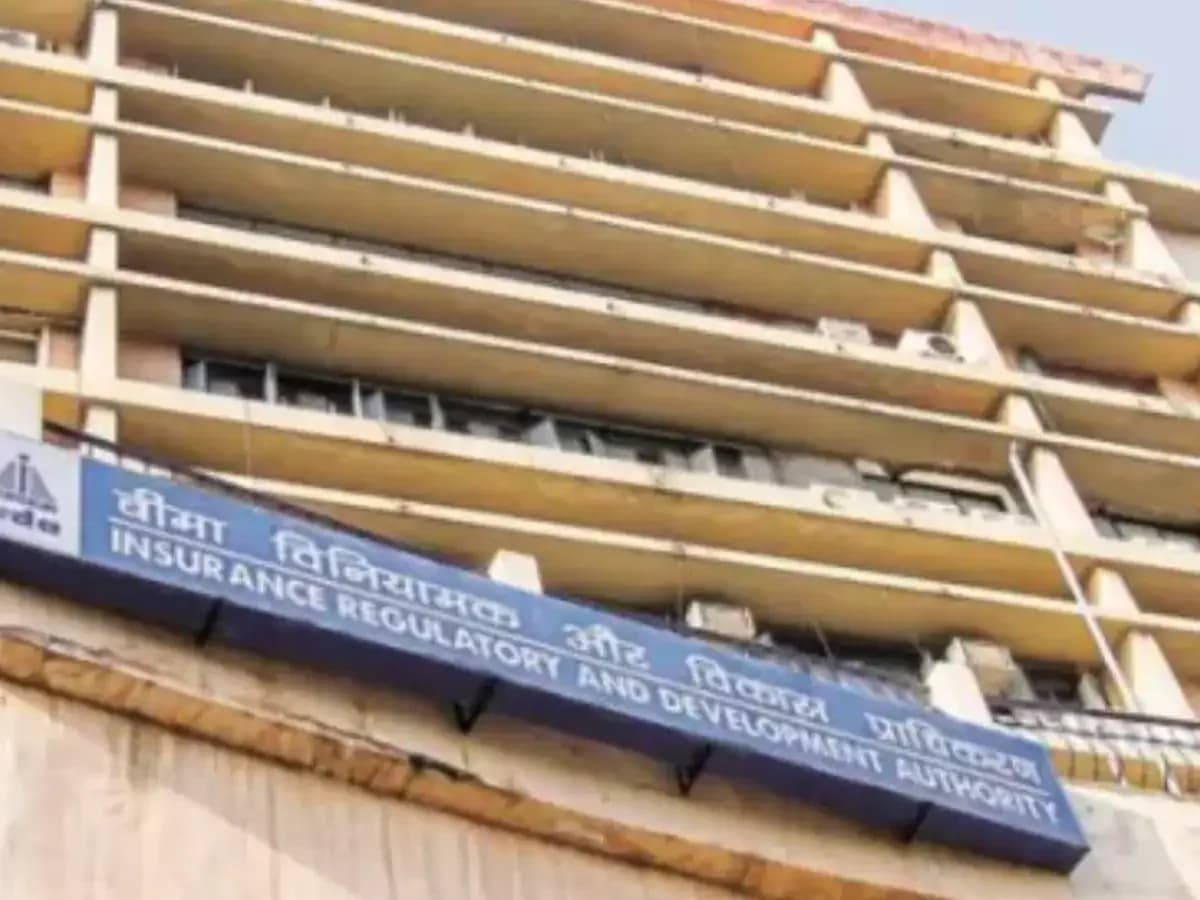
The Insurance Regulatory and Development Authority of India (IRDAI) is targeting January 2028 for the beta launch of its proposed Public Insurance Registry (PIR), as announced by Chairman Ajay Seth during the SamvAAd 2026 India Open Finance Summit in Mumbai. According to reports from The Economic Times and ANI, the beta version will be hosted by the transformed Insurance Information Bureau, which will operate as a not-for-profit company. Seth clarified that this will be the Insurance Information Bureau getting transformed into a not-for-profit company and being the host of PIR, emphasizing that the announcement comes as the regulator works towards creating a common digital framework for the insurance sector, where information is currently maintained in different formats across insurers, making data sharing and comparison difficult.
Chairman Seth announced that the deadline for stakeholders to submit feedback on the Public Insurance Registry consultation paper has been extended from September 30 to October 17, 2026. As reported by The Economic Times and ANI, Seth urged industry participants to provide suggestions on how the proposed system could be improved, emphasizing the need for standardized data collection and exchange across the insurance industry. The current system lacks common standards, with Seth noting that about 60 insurers maintain data in different formats without standardized protocols for storage and collection. Explaining the urgency, Seth said the insurance industry currently lacks common standards for collecting, storing and exchanging data, with no standardization in the way they store data or collect data across these insurers.
According to the IRDAI Chairman's statements reported by The Economic Times and ANI, the proposed registry would help establish common standards and protocols, allowing information to move more easily between insurers and other financial institutions. Seth identified eight potential use cases for the registry, of which six would require participation from the Account Aggregator (AA) ecosystem. These include premium financing, assessing insurance requirements, using insurance histories for lending decisions, and supporting surety bonds as alternatives to bank guarantees. The registry is expected to support greater transparency in the insurance market by making standardized information about products, insurers and distributors available for comparison. However, Seth indicated that building the necessary data standards and infrastructure would be a gradual process, with January 2028 currently being discussed as the timeline for a beta version rather than the full launch.

As reported by The Economic Times and ANI, Chairman Seth clarified that the Public Insurance Registry and Bima Sugam, the proposed digital insurance marketplace, would serve different purposes despite being complementary platforms. While Bima Sugam is designed as a customer-facing platform for purchasing insurance directly, the Public Insurance Registry would primarily support businesses and financial institutions by standardizing and facilitating the exchange of insurance information. Seth acknowledged that standardizing historical insurance records would be a gradual process, with the regulator focusing on setting standards for new information while gradually improving older records. He emphasized that they are not a replacement; they are complementing each other, referring to the proposed platforms and existing digital public infrastructure.