The Insurance Regulatory and Development Authority of India (IRDAI) has directed general insurers to implement a four-tier motor insurance policy structure for private cars and two-wheelers from December 15, 2026. According to reports from The Economic Times, The Times of India, Business Standard, Mint, and latest updates from NDTV Profit, this mandate comes in line with the Supreme Court's directions and aims to provide clearer, customizable coverage options for vehicle owners. The new framework will allow vehicle owners to choose from different insurance covers and make informed decisions on the protection they require, with the circular translating the court's order in the case of National Insurance Company Ltd vs Thungala Dhana Laxmi into mandatory requirements for general insurers. As per Mint, the directions apply to all general insurers, except stand-alone health insurers and specialized insurers, with the framework specifically designed to bring clarity about availability of various policy options to vehicle-owners so they can make informed choices of purchasing suitable insurance protection.
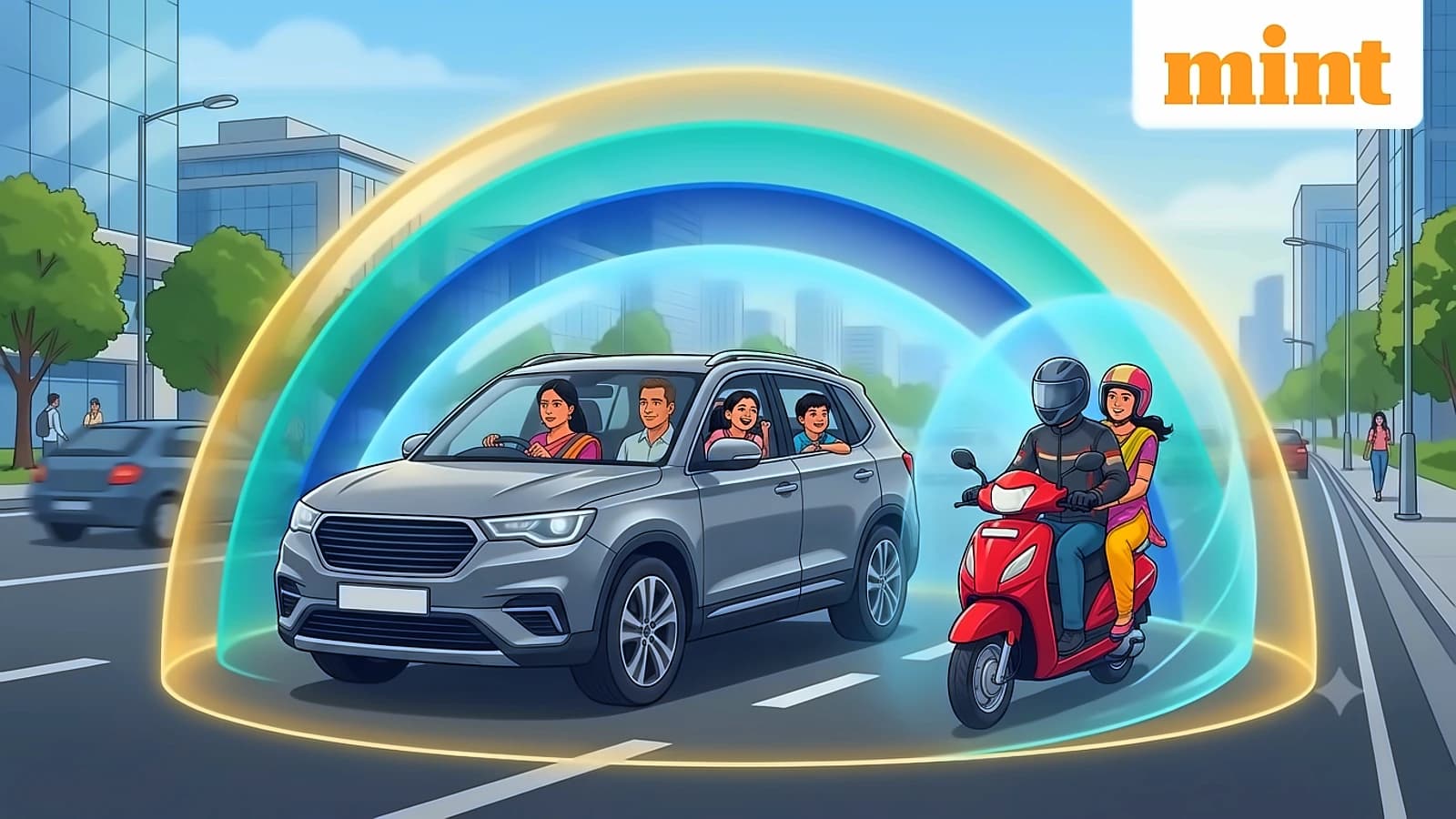
Under the new framework, motor insurance policies will have four distinct sections covering third-party liability, legal liability to occupants or pillion riders, personal accident cover for owner-insured persons, and loss of or damage to the insured vehicle (own damage), as reported by The Times of India and Business Standard. While third-party liability cover will remain mandatory, the other covers will be optional, subject to applicable provisions governing mandatory personal accident insurance for owner-insured persons. According to Mint, the four-layer structure includes Section I – Liability to third parties (mandatory): Covers the vehicle owner's legal liability for injury, death, or property damage caused to a third party in an accident, which is compulsory under motor vehicle law. Section II – Legal liability to occupants or pillion rider, including employees of the insured (optional): Covers the vehicle owner's legal liability towards passengers travelling in the insured car or pillion riders on two-wheelers, along with employees of the insured. Section III – Personal accident cover: Includes mandatory personal accident cover for the owner-insured, along with optional personal accident cover for occupants, pillion riders and drivers other than the owner-driver. Section IV – Loss of or damage to the vehicle insured (optional): Covers loss of or damage to the insured vehicle. To ensure uniformity across insurers, IRDAI has prescribed standard policy wordings based on drafts submitted by the General Insurance Council in consultation with the industry. All general insurers undertaking motor insurance business would have to adopt uniform policy wordings, along with a mandatory customer option form and Customer Information Sheet (CIS) for all private vehicles, including new cars and two-wheelers.

According to the circular released on Tuesday, insurers will have to obtain a duly completed option form from every customer purchasing a policy, with customers required to indicate their choice of covers by ticking relevant options, either offline or online, as reported by Business Standard. As reported by Mint, IRDAI has directed insurers to provide a customer option form through which buyers can select the covers they want, with customers able to tick their preferred options whether they purchase insurance online or offline. As reported by The Times of India, issuance of the CIS at the point of sale will be mandatory, clearly stating the actual coverage offered and the premium charged against each section. The policy schedule must separately disclose the actual coverage and premium charged under each section, with the certificate of insurance complying with the Central Motor Vehicles Rules, 1989. There will be flexibility for existing policyholders to add legal liability cover for occupants or pillion riders during the currency of their policies by paying an additional premium. Existing third-party policyholders can add occupant liability cover by paying an additional premium without cancelling their existing policy, with the additional risk commencing from the date and time specified in the endorsement. Importantly, this option can be exercised only with the insurer who has issued the third-party insurance policy, and policyholders do not need to cancel their existing third-party insurance policy to add the additional cover.
With the new framework taking effect from December 15, 2026, insurers are expressing concerns about customer awareness and potential compromise on essential protection. Shanai Ghosh, MD & CEO of Zuno General Insurance, stated that the framework creates opportunities for insurers to offer broader coverage while giving customers greater flexibility, but emphasized that the key priority will be educating customers and ensuring clear communication of the new framework's implications. A Kiran Kumar, head of motor underwriting at Tata AIG General Insurance, highlighted that while the move brings greater transparency and clarity, the concern is that customers may opt out of optional covers to save on premiums without fully understanding their importance. Kumar emphasized that it is critical for the entire industry to step up customer awareness initiatives and proactively communicate the benefits and relevance of each cover to ensure customers make informed decisions rather than compromise on essential protection. The immediate impact would largely be operational, requiring changes in product design, digital platforms and distribution systems, while the longer-term impact on premiums and profitability would depend on customer adoption of different covers. According to NDTV Profit, the move is intended to give vehicle owners a clearer picture of their insurance protection and its cost, with separate pricing and coverage details for each component expected to make policy comparisons easier and reduce confusion at the time of purchase.
The circular was issued in accordance with the Supreme Court's order in the case of National Insurance Company Ltd vs Thungala Dhana Laxmi, as reported by The Times of India and Business Standard. Insurers can continue to innovate their coverage and determine the pricing of own-damage covers in line with market forces, with the circular directing insurers to ensure the integration of the four-tier motor insurance policy structure with Bima Sugam is completed simultaneously, so that their policies are available from Bima Sugam from the same date of December 15, 2026. The framework allows insurers to add or remove general exclusions and conditions based on the cover selected, provided they do not restrict the basic coverage prescribed under the four-layer structure. The number of occupants covered will be restricted to the vehicle's registered seating capacity, with legal liability towards occupants, including pillion riders and employees of the insured, being optional. As per Mint, insurers can continue to innovate and decide the pricing of own damage covers based on market forces, provided they do not restrict the basic coverage prescribed under the four-layer framework. The revised framework will come into force on December 15, 2026, with the new policies also becoming available on Bima Sugam from the same date.