IRDAI's scrutiny of motor insurance commissions has revealed alarming figures, with motor insurance distributors earning almost ₹7,050 crore as commission on ₹29,000 crore of motor insurance premium in FY 2025. According to Mint, motor insurance commissions have surged 259% between FY23 and FY25, while premiums grew only 34% during the same period. The commission rates vary widely, ranging from 13% to 50% despite a significant share of motor insurance comprising mandatory third-party cover sold at regulated tariffs. Third-party commission rates have increased dramatically from 4.3% in FY23 to 22% in FY25, while commission rates on broker-placed motor business rose from 9% to 25% during the same period. Motor insurance has emerged as one of the highest commission segments in the industry, with the average payout rate standing at 24% in FY25.
The insurance industry is actively discussing a tiered expense structure, modelled on the mutual fund industry, as an alternative to IRDAI's proposed uniform expense limits. According to The Economic Times, smaller insurers are advocating for higher allowable expenses on initial premium bases to facilitate growth. Under the proposed model, smaller insurers want to be allowed a higher EoM (expenses of management) limit on their initial premium base, with the permitted expense ratio declining progressively as the insurer grows. For instance, midsize companies are discussing a model that would allow an insurer to incur a higher percentage of expenses on its first tranche of premium and progressively lower the limit as premium crosses specified thresholds. Industry executives believe this structure could promote competition among insurers of different sizes and prevent higher expenses from continuing indefinitely as business scales.
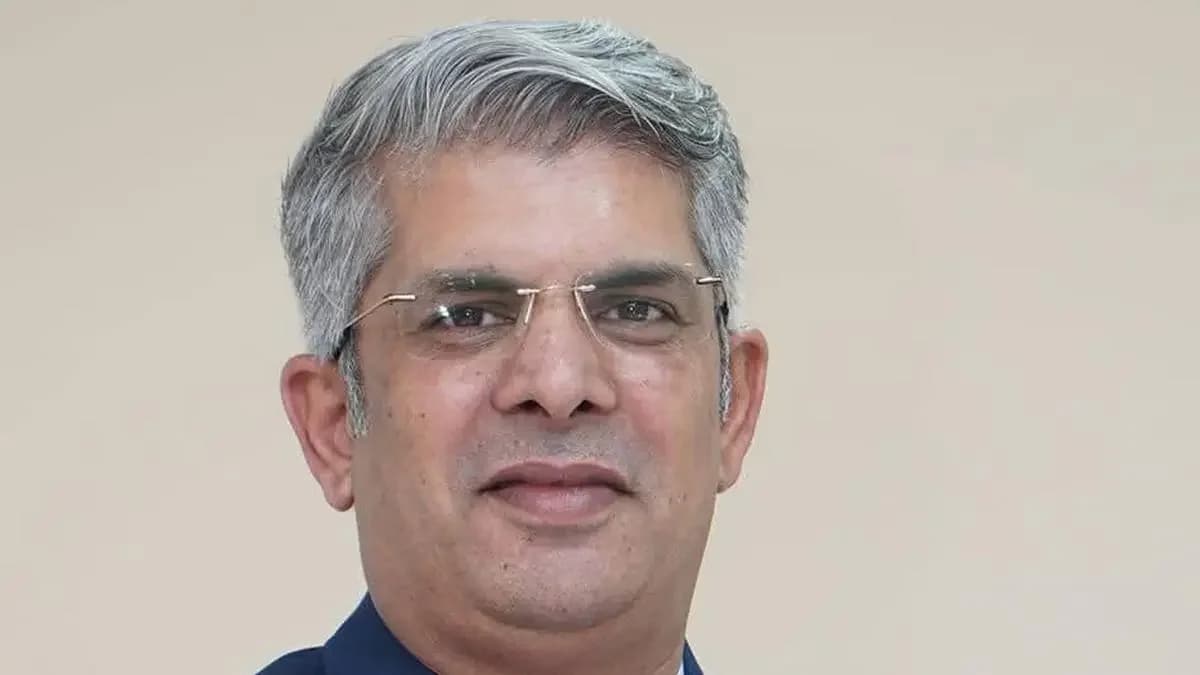
IRDAI Chairman Ajay Seth has highlighted the alarming surge in commission rates and escalating business costs across India's insurance sector. According to CNBC-TV18, commission rates have risen over the past two to three years, with one large distributor seeing commissions jump from about 8 percent to 24 percent, while another saw rates surge from 6-7 percent to 38 percent. Seth emphasized that "Of what the business it generates, 38 percent is the commission rate. Now, where does the policyholders come into the play?" The regulator has also flagged that one large distributor in the financial services sector is generating a post-tax profit of 44 percent on its commission income, raising serious concerns about market conduct alignment with policyholder interests. This surge comes despite IRDAI's proposed commission caps, which would limit individual health first-time commissions to 15% for distribution entities compared with current industry averages of 24%.
Original Equipment Manufacturer (OEM) brokers and Motor Insurance Service Providers (MISPs) account for around 30% of motor insurance business across new and old vehicles. According to Mint, for newly purchased vehicles, OEM brokers get an average commission of 27%, while MISPs receive 38%. The biggest commission earners are concentrated at the point of sale, with MISPs also earning an average 12% commission on policies for older vehicles brought to their garages for servicing. IRDAI has proposed significant reforms, including capping the platform fee for not-for-profit platforms at 5% of the premium and requiring dealers to prominently display MII platform options including QR codes. For mandatory third-party insurance for new vehicles, IRDAI proposes commission should be nil for distribution entities and 2.5% for agents, with own-damage and other covers capped at 5% to 15% depending on the channel and the age of the vehicle.
The Insurance Regulatory and Development Authority of India's proposed commission caps are forcing dramatic changes in the insurance distribution sector. Pune-based Quickinsure has announced more than 100 job cuts and discontinued its field relationship management model, with founder Anand Shrikhande warning that the industry could see more than 100,000 job cuts across brokers if proposed changes are implemented. According to The Economic Times, brokers are expected to embrace more flexible cost structures and optimize sales output, with some considering a shift to variable-cost models. Industry executives said lower commissions would make it difficult to sustain large field-sales teams, as salaries remain a fixed cost irrespective of the business generated by individual employees. As per The Economic Times, the immediate casualty is that brokers will have to cut down on fixed cost, high-cost fixed employee models.
Under IRDAI's proposed regulations, life insurers need to bring their EoM to 15% of gross direct premium within two years and 12.5% in five years, while general insurers need to bring it within 25% in two years and 20% in five years. For insurers already below the proposed benchmark, life insurers would eventually have to bring their EoM down to 10%. The proposed caps are significantly below prevailing industry rates, with term insurance commissions proposed to be capped at 30% for individuals and 25% for corporate distributors, against up to 51% currently. Health insurance commissions could be capped at 20% and 15% respectively for individual and corporate distributors, versus 24% currently, while motor and savings products could see caps of 0-15% and 5-25% compared with prevailing rates of 26% and 14-37% respectively. Industry executives argue that a uniform EoM ceiling could disproportionately affect smaller or newer insurers that do not have the scale of established players to spread technology, distribution and other fixed costs.
IRDAI Chairman Ajay Seth has clarified that the proposed insurance distribution reforms are not final and stakeholder feedback will be considered before draft regulations are issued. According to Business Standard, Seth stated that the consultation paper is open for comments until October 25, with the regulator actively meeting industry stakeholders and welcoming alternative suggestions. The proposed EoM reduction is designed through a phased glide path rather than as an overnight change, allowing the industry and distribution ecosystem to adjust progressively. The regulator released its two-part public consultation paper, "Recalibrating Economics of Insurance Distribution," on 23 September 2026, with the proposals seeking to address practices such as coerced bundling of insurance with loans and strengthen safeguards against mis-selling. Bima Sugam, the commission-neutral market infrastructure institution, is expected to launch within 4-6 months as part of the broader transparency initiative.