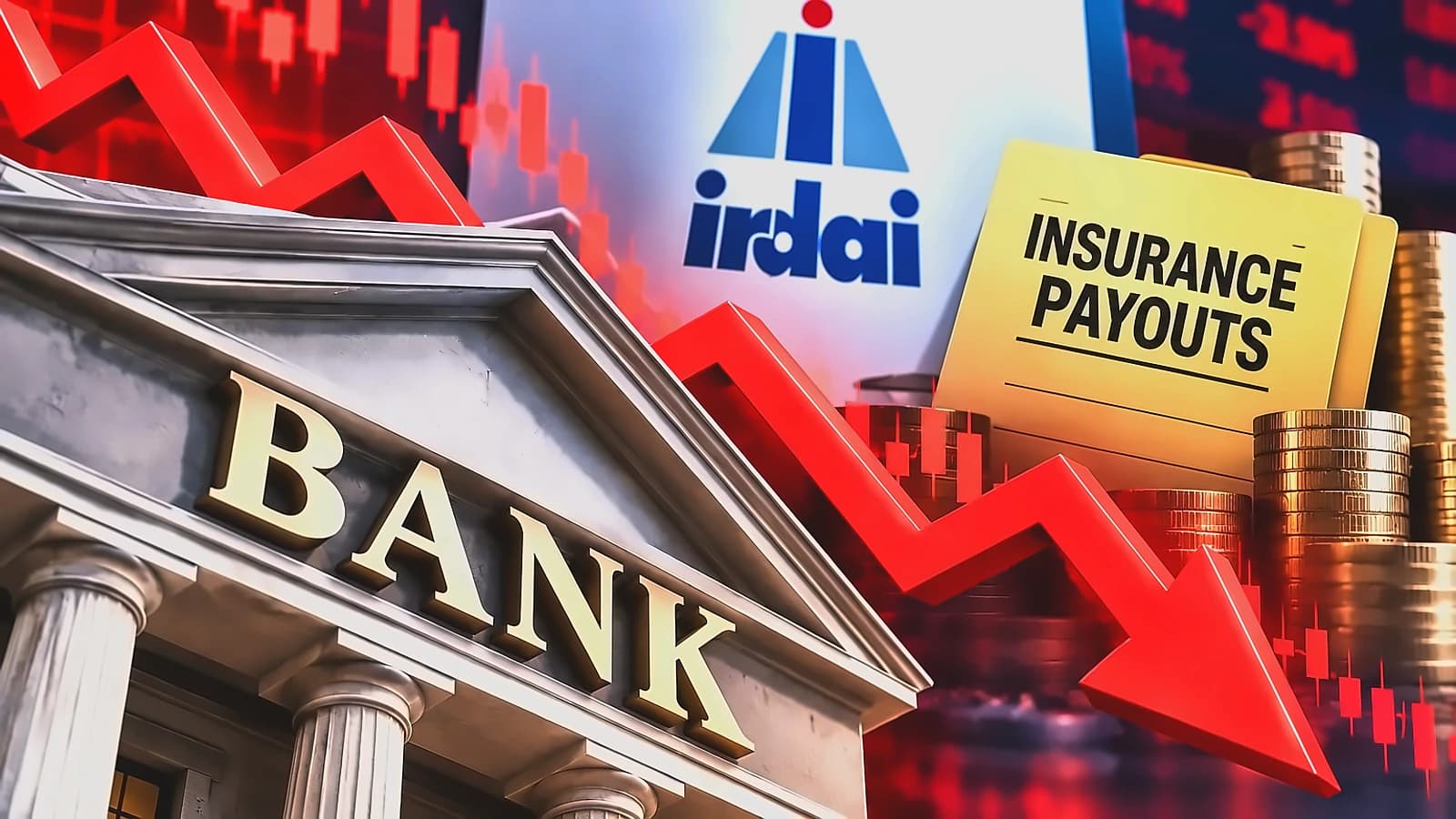
The insurance regulator IRDAI is considering an effort-based commission framework that would link distributor payouts to selling and servicing effort, according to reports from Mint. The regulator has yet to release the effort hierarchy, which is expected to rank individual agents highest, followed by brokers, bancassurance distributors, corporate agents, with OEM channels such as auto dealers and web aggregators at the bottom of the pyramid and hence having the lowest cap on commissions.
Life insurers fear that lower commissions for group and embedded products could shrink coverage among low-income borrowers reached through banks, NBFCs and microfinance institutions, as reported by Mint. The regulator has also begun seeking commission disclosures from intermediaries amid concerns that high payouts encourage mis-selling through institutional channels. Industry officials warn that if commissions drop to the extent that distribution is not viable, sale of credit protection covers may drop significantly. This concern aligns with broader industry discussions about maintaining accessibility for middle-income families through affordable insurance options.
In the industry, corporate agents and brokers accounted for over ₹61,000 crore, or about 60%, of private insurers' new business premium in FY25, according to Mint reports. These channels also distribute group credit-life cover linked to home, retail and microfinance loans. Life insurers accept that some institutional commissions may need review but warn that a broad effort-based model could make low-premium and group covers unviable, potentially impacting access to insurance for lower-income segments. The parliamentary panel's recommendations for affordable health insurance options for middle-class families further highlight the importance of maintaining accessible insurance products across all demographics.
The broader insurance market is experiencing significant softening, with corporate cover rates declining sharply in the June quarter as abundant capacity intensifies competition. According to Marsh India data, cyber insurance rates fell 25-30%, fire insurance 19%, professional indemnity 20-25% and directors' and officers' liability 15-20% during the quarter. As Gaurav Pagare, sales and placement leader at Marsh India, noted, "It's a buyer's market. As of now in India, most insurance companies are not worried about profit. They are all interested in the top line and for the top line, they do very aggressive underwriting." The soft market is expected to persist with additional reinsurance capacity through GIFT City, where over two dozen reinsurers have started operating and premium volume has surged 11-fold in 5 years to ₹1.2 billion.