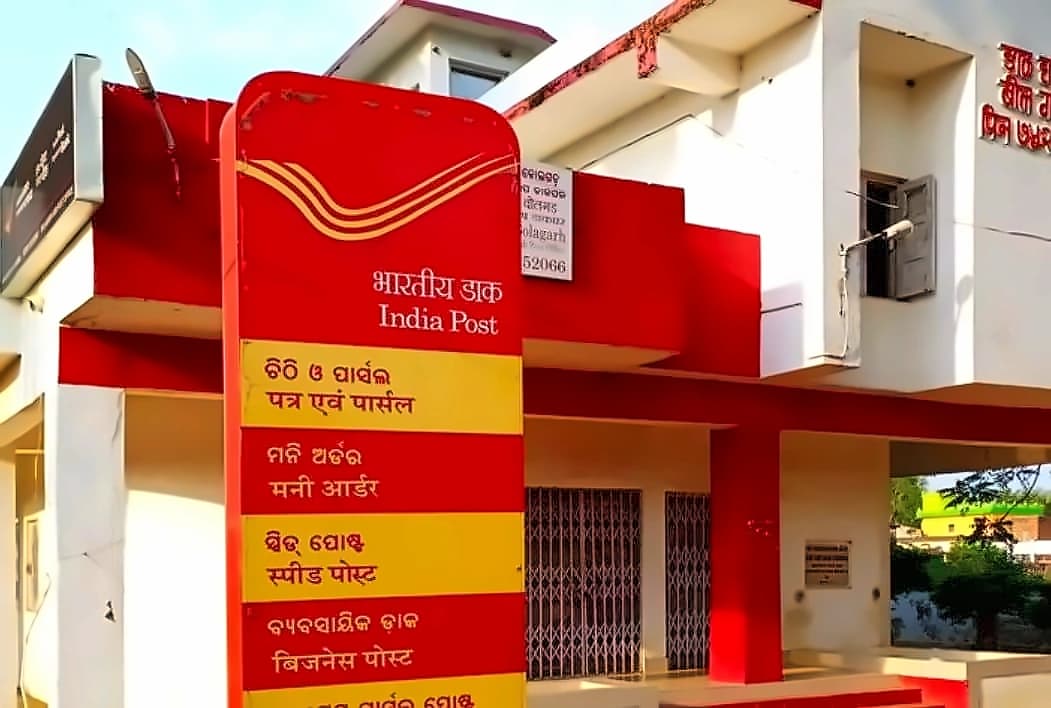
India Post achieved an unprecedented financial turnaround in FY26, recording a ₹2,100 crore revenue increase to reach ₹15,373 crore, according to Union Minister of State for Communications Chandra Sekhar Pemmasani. This represents a dramatic acceleration from the department's historical annual growth trend of ₹200-300 crore, marking nearly ten times the historical growth rate and one of the strongest financial performances in India Post's 170-year history. As reported by DD India, the revenue growth was driven by a dual-pronged strategy combining top-down market identification and accountability mechanisms with grassroots workforce engagement.
India Post's parcel and logistics segment emerged as the primary growth driver, growing 70% during the year, significantly aided by technology integration and strategic partnerships with e-commerce companies. According to Pemmasani, parcel revenue, which was approximately ₹600 crore when current leadership assumed office, is estimated to have the potential to reach ₹10,000 crore. The department has introduced comprehensive digital services including OTP-based delivery, SMS tracking, UPI-enabled payments, and B2B partnerships with e-commerce platforms, while operational efficiency has improved through route rationalisation and faster delivery systems. Following successful pilot projects, India Post has rolled out 24-hour and 48-hour Speed Post delivery services across six metro cities, with plans to expand these services nationwide.
As part of its comprehensive modernization plans, India Post is investing ₹5,800 crore under the Advanced Postal Technology initiative of IT 2.0 to enable end-to-end digital postal services. The initiative includes facial recognition-based access systems, e-KYC, Aadhaar integration, and compliance with national cloud security protocols. Under the IT 2.0 framework, India Post aims to offer fully digital end-to-end services, allowing customers to purchase savings and insurance products online, access digital certificates instantly and receive matured policy proceeds directly into bank accounts without visiting post offices. The department's modernization strategy is anchored by this substantial technology investment to strengthen digital security and user authentication capabilities.
Through India Post Payments Bank, the department currently distributes approximately ₹45,000 crore annually through Direct Benefit Transfer schemes, with IPPB personnel equipped with mobile devices and biometric systems providing doorstep banking services. As reported by the minister, 3.8 crore girls have been enrolled under the Sukanya Samriddhi Yojana, which is being implemented in saturation mode through India Post's rural network. Postal savings accounts offering 4% interest rates are expected to gain traction through enhanced digital access, while the department's Gramin Dak Sevak workforce of around 2.5 lakh personnel is promoting women-centric savings products and rural savings accounts. The department's role as a major last-mile welfare delivery network is reinforced through these financial services initiatives.
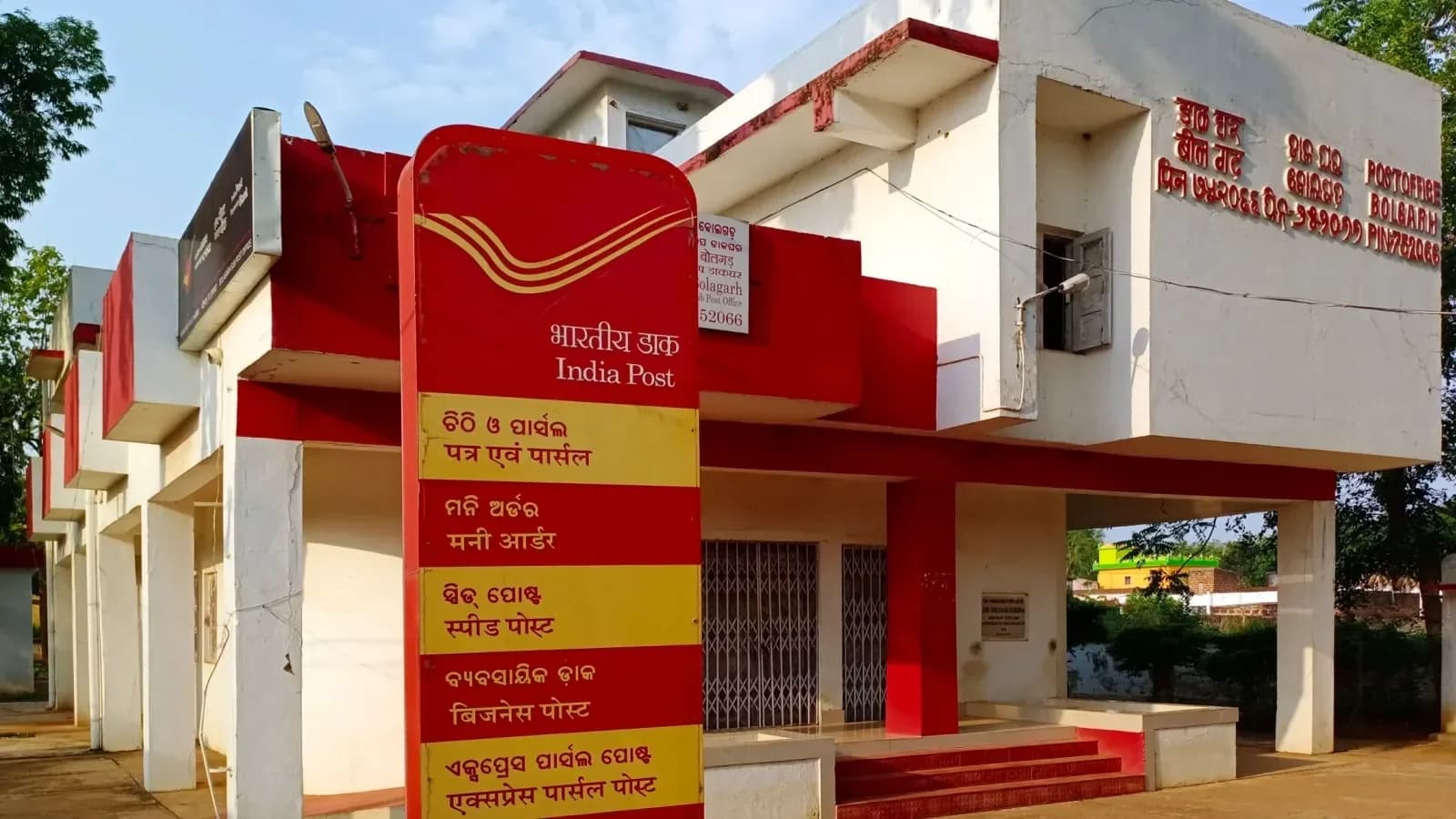
Urban post offices are undergoing comprehensive modernization with investments of ₹60-70 lakh per facility, incorporating digital counters, Aadhaar updation services, and shared workspaces. According to Pemmasani, as traditional letter mail becomes increasingly marginal, logistics and parcel services represent the primary growth frontier for the department. The minister emphasized that the transformation positions India Post as a modern digital and financial services network, with the department's revenue growing from approximately ₹11,500 crore in 2016 to the current levels. Alongside technology upgrades, the department is investing in workforce development with employee training programmes focusing on customer service, sales and operational efficiency to support the expanded digital services portfolio.