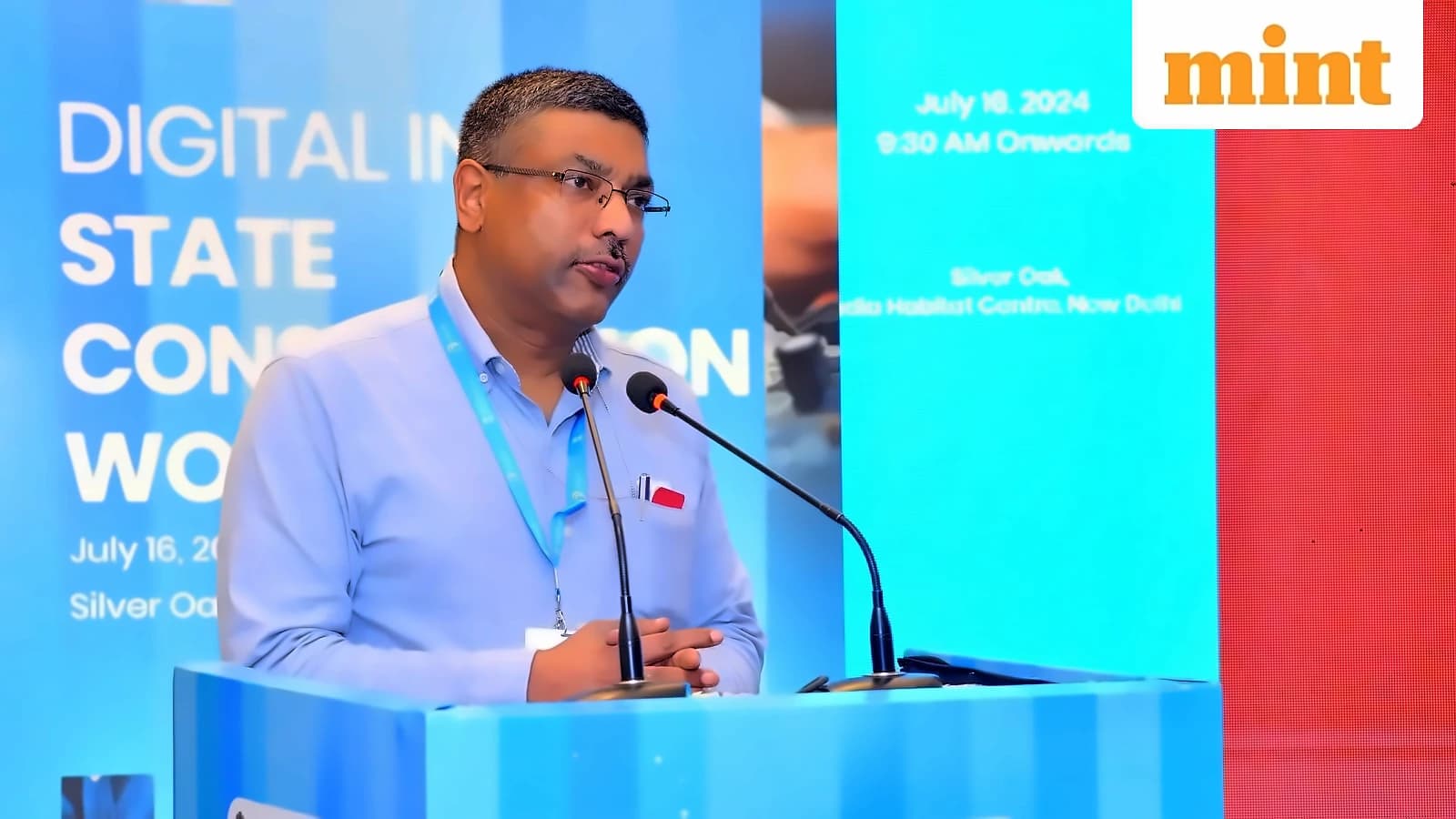
The Indian government is developing a comprehensive strategy to support domestic semiconductor companies in their global manufacturing partnerships. According to reports from Mint, S. Krishnan, secretary at the Ministry of Electronics and Information Technology (MeitY), revealed that the government is working on a plan to aggregate orders from Indian fabless semiconductor chip companies to improve their bargaining power with global foundries. This initiative represents a significant shift in how India approaches its semiconductor manufacturing ecosystem.
The order pooling initiative is part of a broader government strategy to enhance India's semiconductor manufacturing capabilities. As reported by Mint, the government is considering a series of measures to help Indian semiconductor companies scale, attract more private capital and retain intellectual property in the country. These measures are designed to address the current challenges faced by Indian chipmakers, who remain dependent on global foundries and suppliers while seeking to establish a more independent manufacturing base.
The proposed order pooling represents a longstanding industry demand that has been identified as crucial for improving the competitive position of Indian semiconductor companies. According to the reports, this aggregation approach is specifically designed to help Indian chipmakers negotiate better terms with global chip manufacturing plants. The initiative aims to leverage collective bargaining power to secure more favorable conditions for domestic semiconductor companies in their manufacturing partnerships.
The Indian initiative comes as global foundry competition intensifies, with TSMC recently completing development of its 1.6nm A16 process, positioning itself ahead of Samsung in the AI hardware race. According to BigGo Finance, TSMC expects to begin mass production during Q4 2026, while Samsung has revised its 1.4nm timeline back to 2029, leaving the Korean company roughly one year behind TSMC's A14 process. This competitive dynamic highlights the strategic importance of India's domestic semiconductor support measures as global foundries continue advancing manufacturing capabilities.