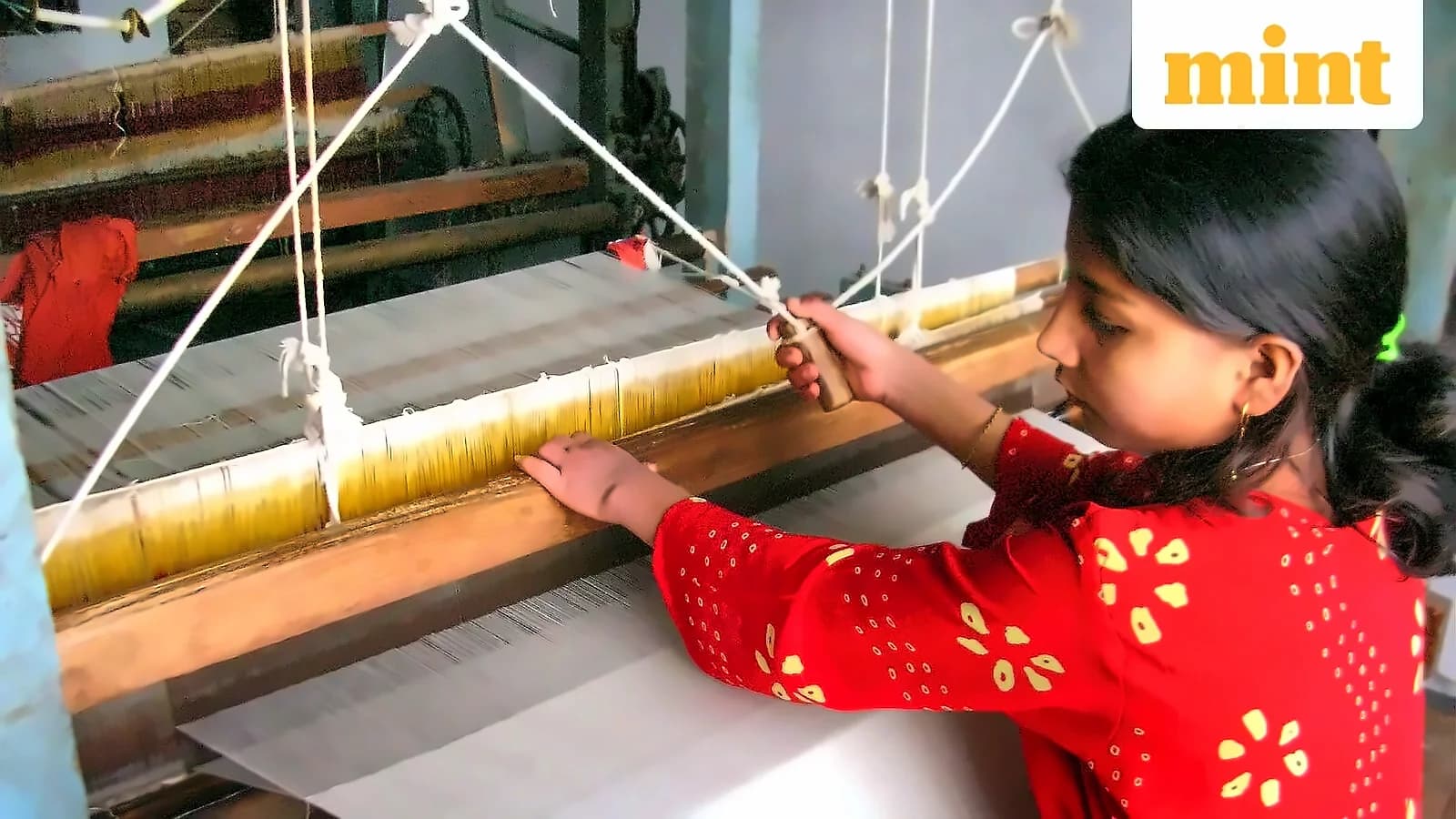
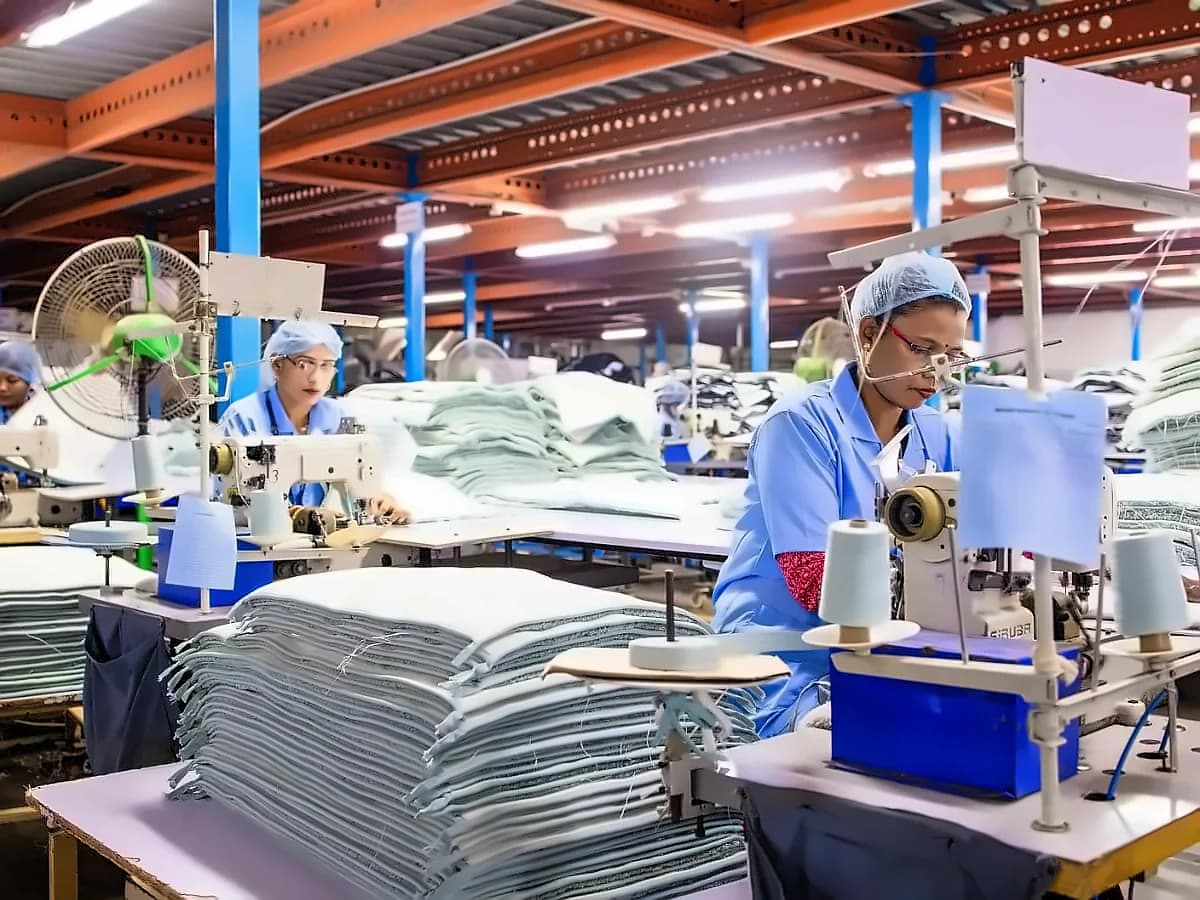
The Centre is considering an outlay of ₹8,000 crore for a marquee programme to boost production in the khadi, handloom and handicraft segments and strengthen global market linkages and branding. According to reports from Mint, the Mahatma Gandhi Gram Swaraj Initiative could be structured as a five-year production-linked incentive (PLI) scheme to complement the existing PLI programme in the textile sector. The latest proposal is part of India's plan to create more jobs and boost exports by better leveraging its free trade agreements, including with the UK, which came into force in July, and the EU, which is likely to be operational early next year.
The current PLI scheme, launched in 2021 with an outlay of ₹10,683 crore for five years and now extended up to 2033-34, mainly targets man-made fibre-based garments and fabrics, and select technical textile products. As reported by Mint, this latest proposal is part of India's plan to create more jobs and boost exports by better leveraging its free trade agreements, including with the UK, which came into force in July, and the EU, which is likely to be operational early next year. The UK and the EU, together the largest textiles and garments market for India after the US, promise duty-free access in these segments.
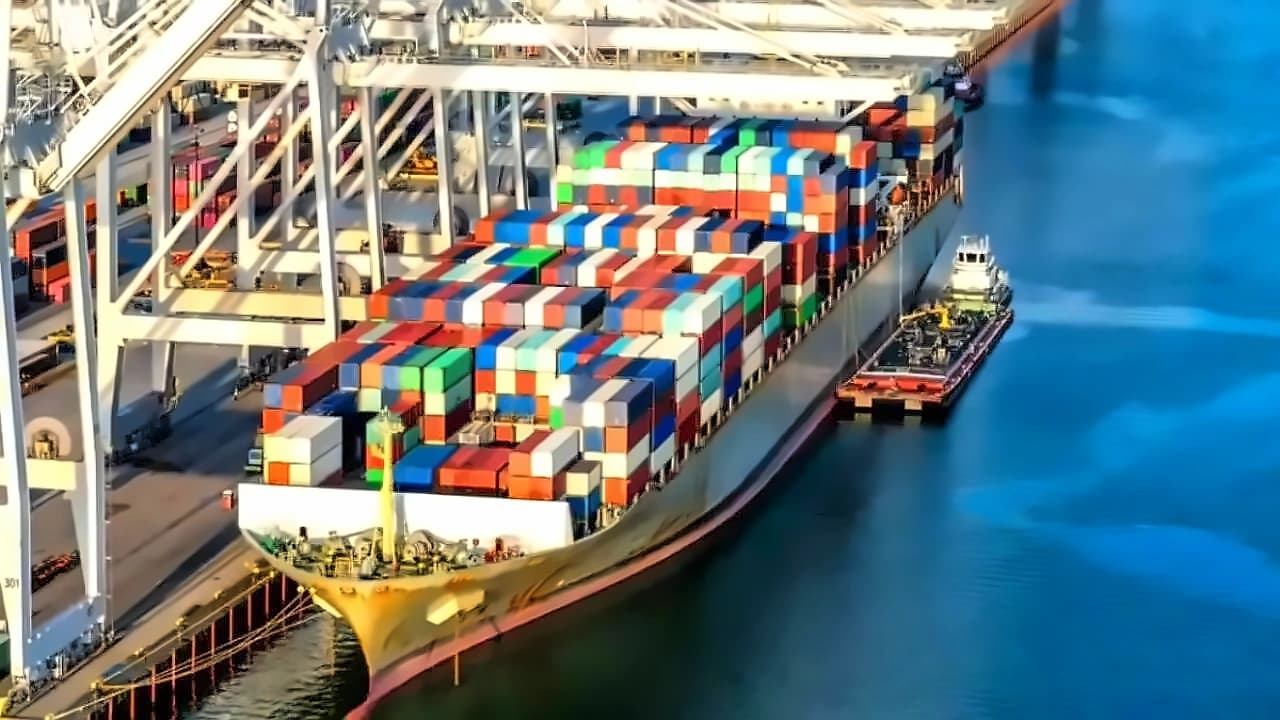
The UK and the EU, together the largest textiles and garments market for India after the US, promise duty-free access in these segments. According to Mint, late last year, textile minister Giriraj Singh had said India's existing 15 free trade agreements offered a textile market of almost $199 billion, against the country's current exports of only $11.5 billion to these markets. India aims to more than double its textiles and garment exports to $100 billion by 2030. The latest plan assumes importance because new trade deals have opened doors abroad, but exports of handloom and handicrafts may not take off in a big way unless Indian businesses, especially MSMEs, improve competitiveness, build scale and connect better to overseas markets.
India's handloom and handicraft export growth remained muted at 1.2% in 2024-25 and 0.6% in 2025-26. However, sales of khadi products in the domestic market rose 10% in 2025-26 from the previous year to ₹7,869 crore. As reported by Mint, the latest plan announced in the Budget for 2026-27 is in addition to the ₹9,000-crore allocation being considered for India's handloom and handicrafts sector over five years to help the country's 10 million artisans and weavers scale up, preserve heritage crafts and boost exports. The sector employed 20.4 million people last fiscal year, with Khadi and village industries accounting for a significant portion of this workforce.
Experts emphasize that trade agreements have opened up fresh avenues, but artisans can only benefit if they are able to scale up, improve quality and sell directly to larger markets. According to Mint, A.K. Jha, former chief executive of Khadi and Village Industries Commission, stated that the initiative can help improve production capacity, modernise infrastructure, introduce better technology and strengthen marketing networks. Amresh Kushwaha, chairman of Angika Hathkargha Vikas Udyog Sahkari Samiti, noted that the proposed initiative should focus on creating greater awareness about khadi, handloom and handicraft products among consumers and promoting their use in everyday life. Angika Kushwaha, founder of start-up Kashikari Textiles, added that greater support for research, product development, branding and market access will help traditional textile industries evolve and reach a wider consumer base, including international markets.