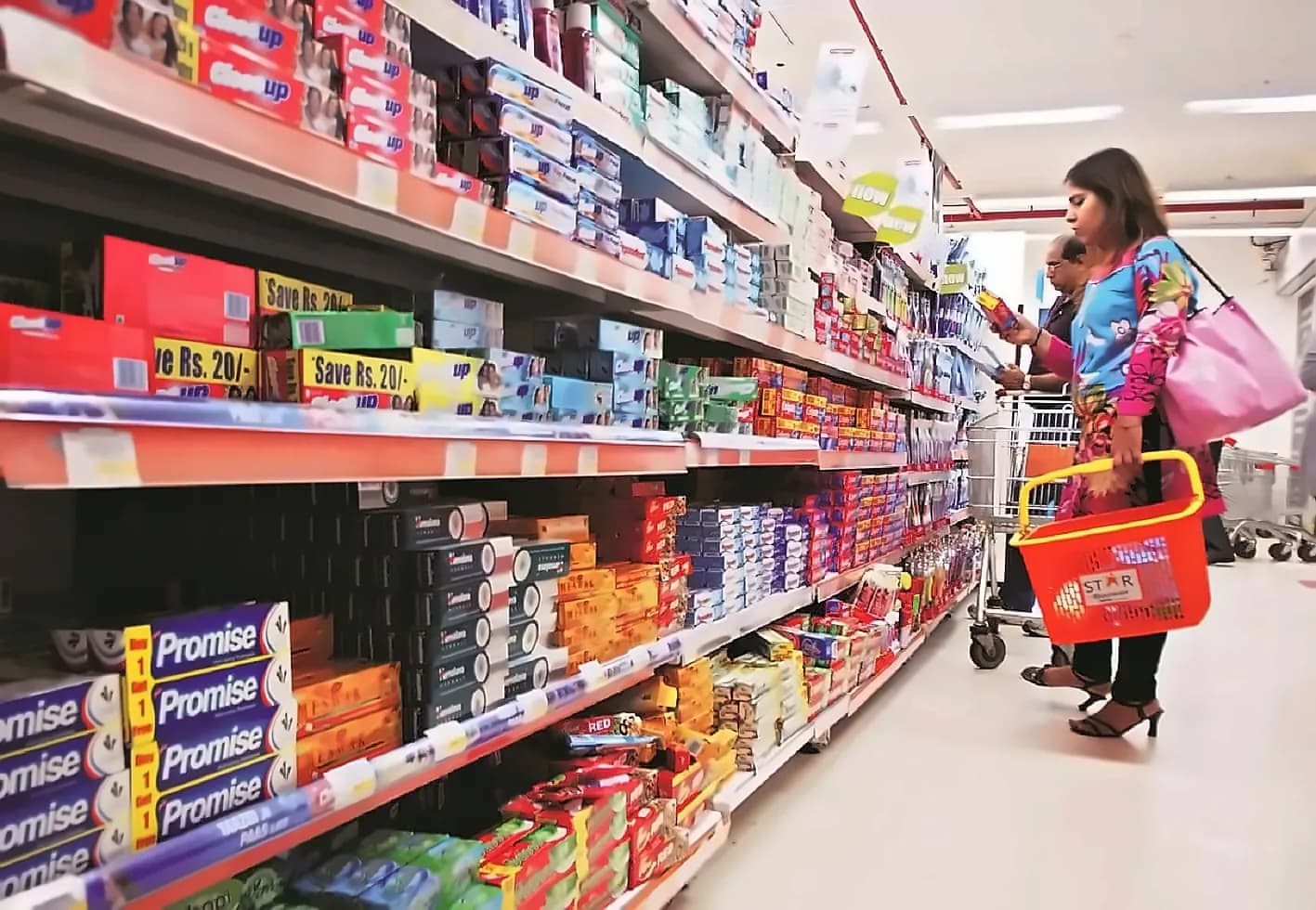
India's food regulator has proposed front-of-pack warning labels on packaged food and drinks, reversing its position following growing public anger about a lack of strict labels that highlighted high sugar, fat or salt in items. According to Reuters, the Food Safety and Standards Authority of India (FSSAI) has proposed a red-coloured hexagonal shape for food products which are high in any two or more nutrients - fat, sugar or salt. The mechanism will "facilitate informed food choices, particularly in relation to children and other vulnerable groups of the population," FSSAI stated in its Supreme Court filing. The proposal comes after Prime Minister Narendra Modi's government dropped a proposal this year after companies privately opposed the measures, as reported by Reuters. The submission was made in the Supreme Court as it was hearing challenges from health activists calling for long-delayed warning labels, with the court telling the government earlier this month to act fast. The court filing, which has not been made public, was originally reported by Reuters and received by the Supreme Court earlier this month.
The move represents a major setback for food companies in India's over $100 billion market where Coca-Cola and industry groups representing Nestle and PepsiCo have long opposed such labels, saying they are confusing. As reported by Reuters, Coca-Cola and its bottling partners have voluntarily added traffic-light-style labels to their drinks in some two dozen European markets, providing "clear and transparent" information according to Coca-Cola HBC. The regulatory retreat affects nearly 80% of products in India's over ₹100 billion packaged food and beverages market that could be considered high in fat, sugar and salt. "The warning label shall indicate the applicable declaration, such as 'HIGH FAT', 'HIGH SUGAR', 'HIGH SALT' and/or 'HIGHLY SWEETENED BEVERAGE' to enable consumers to readily identify products high in the specified nutrients," FSSAI stated in its submission. Rajiv Shankar Dvivedi, the lead counsel for non-profit "3S And Our Health" which had challenged the government in the Supreme Court for lack of warning labels, said "We are considering the government proposal and our experts are going to review it."
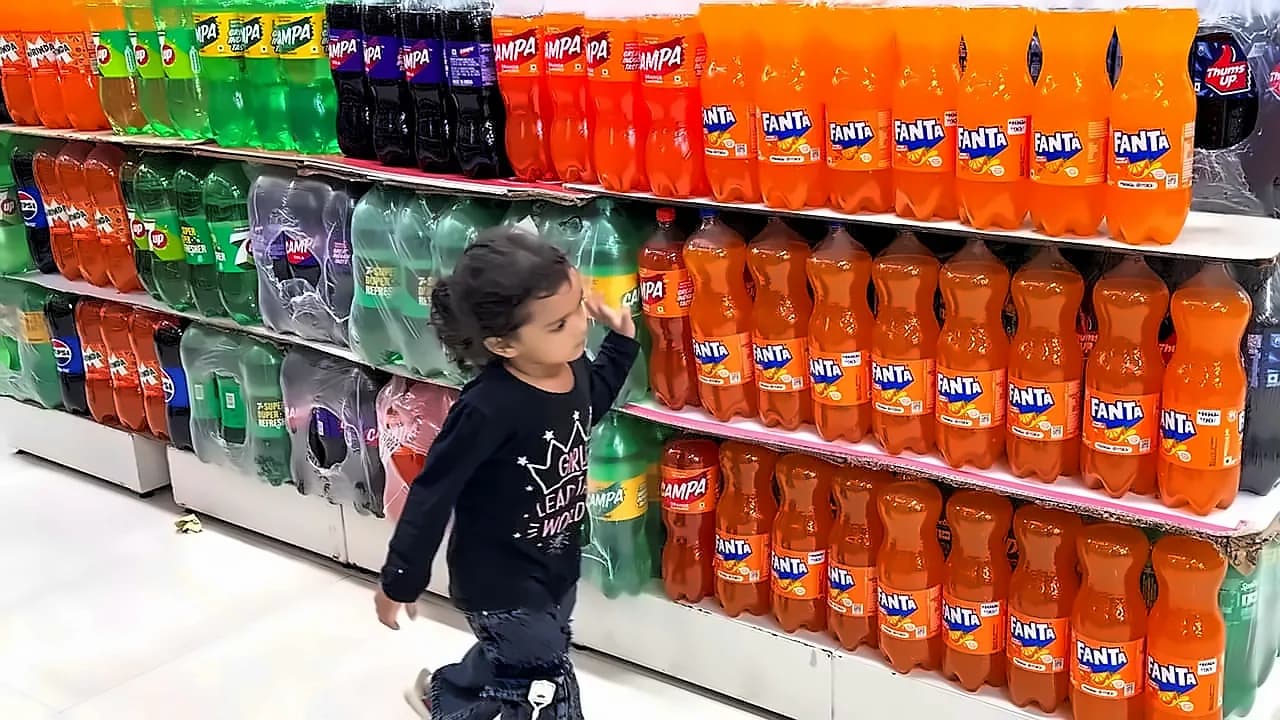
The regulatory proposal has sparked significant consumer anger on social media, with activists saying companies should not be consulted in deciding on labelling. According to Business Standard, Dr. Arun Gupta, the convenor of Nutrition Advocacy in Public Interest, stated that "Nestle's call for industry participation in India's labelling rules is a clear attempt to weaken public health policy." The controversy has highlighted stark differences in product formulations, with a can of Fanta sold in London containing 63 calories but the same-sized product in India containing three times as much sugar and 185 calories. Vir Sanghvi, one of India's best-known food writers, noted that "for the multinationals and their profits, perhaps. But for the health of our nation? I doubt it very much." A recent Lancet study warns that 450 million Indians could be obese or overweight by 2050, highlighting the urgency of improved nutrition labeling. Monthly sales of weight-loss drugs that reduce appetites have grown 400% since early 2025, according to market-research firm Pharmarack, as middle-class consumers become more health-conscious.
While India has backed off from front-of-pack labeling, roughly 20 nations have adopted interpretive labels that may include highlighting high sugar levels in red and low fat content in green. The Supreme Court in February directed regulators to consider warning labels, suggesting examination of Israel's red-and-green messaging system. However, the FSSAI told the court in August that it was "difficult" to match international standards on packaging, echoing the industry position. Several food companies have filed legal complaints against social media influencers who criticize their product marketing, with PepsiCo successfully seeking a take-down order in 2023 over claims about their Sting caffeine drink. PepsiCo did not respond to questions regarding the legal action. Indian regulators in July ordered PepsiCo and other companies to drop the 'energy drink' label in 90 days, following social media activism campaigns. The latest proposal represents a significant shift from the regulator's previous position that such warning labels don't account for how Indian cuisine has more intense flavors than Western food.
Despite regulatory challenges, changing consumer tastes are forcing companies to evolve their product offerings. According to Reuters, social media activists and influencers are campaigning against processed and packaged food, with campaigns gaining momentum on platforms like Instagram and TikTok. Nestle announced in 2024 that it would start selling sugar-free Cerelac baby food in India, addressing activist complaints that only sugary versions had been sold for 50 years. However, the threat of warning labels means the industry is incentivized to hold out for as long as possible, with lobbying by interest groups having "almost paralyzed" regulators from enacting tougher standards, according to food policy experts. The industry's voluntary adoption of traffic-light labels in European markets suggests companies are responding to consumer demand for transparency when it serves their interests. Revant Himatsingka, a former McKinsey consultant with over 5 million followers across YouTube and Instagram, has built a following by comparing Indian product versions against European standards, highlighting the frustration of consumers feeling they are being sold inferior products.