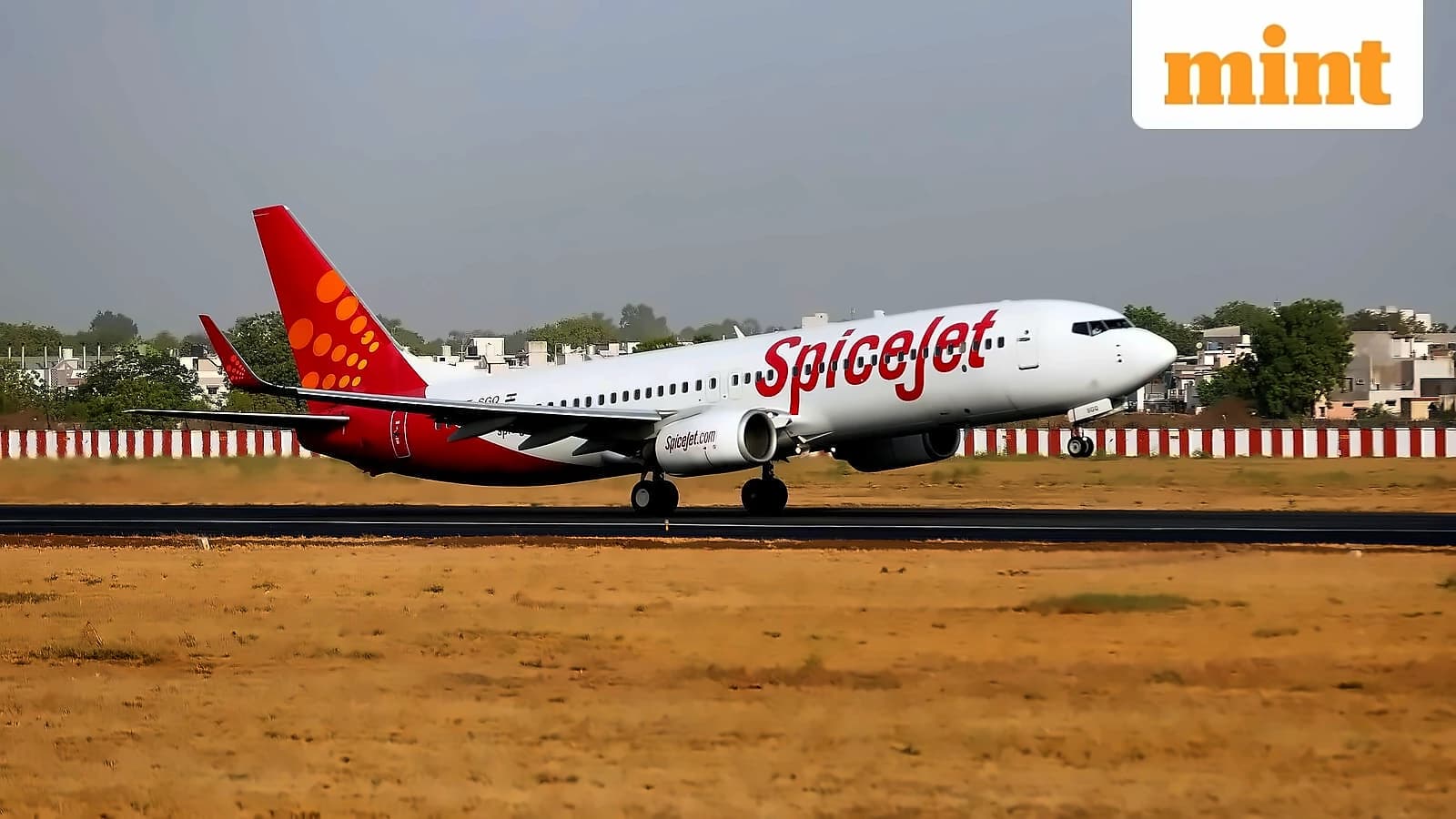
The Supreme Court has escalated pressure on the Centre regarding airline fare regulation, setting a May 8 deadline for filing an affidavit in a case seeking regulatory guidelines for airfare fluctuations. As reported by The Times of India, a bench of Justices Vikram Nath and Sandeep Mehta questioned the Centre for repeatedly failing to file its affidavit, asking "What prevents you from filing an affidavit?" after the Centre's counsel referred to the evolving Middle East situation. The court declined the Centre's request for three weeks' additional time, directing that the affidavit be filed next week with the next hearing scheduled for May 11. The case relates to a petition seeking a stronger and independent regulator to ensure transparency and passenger protection in the civil aviation sector.
The government is considering a ₹5,000 crore emergency credit line guarantee scheme (ECLGS) for airlines, which may be sent to the Cabinet for approval this week. According to reports from The Times of India, this scheme would provide emergency funding to financially weak airlines that have run out of funds and cannot pay salaries, PF or TDS on time for several months. The scheme would be subject to a limit of ₹1,500 crore per airline, with IndiGo, the only financially stable major airline, being eligible but potentially not needing the same support. The relief measures come as the US-Iran war continues with escalating tensions, leading to higher operating costs and drop in traffic for airlines.

The aviation ministry is implementing multiple relief measures to address higher operating costs. As reported by The Times of India, the government has already provided 25% reduction in landing and parking charges of all 34 major airports for three months starting April 8. Additionally, partial relief in jet fuel price hike for domestic flights has been provided for this month, which is being sought to be extended to May. These measures come after financially strong airlines informed the government they would be forced to cut flights if operating cost relief is not provided, potentially leading to fewer flights and higher fares. The government's moves are designed to avoid weak airlines shutting down, which would lead to unemployment and poorer connectivity.
Air India has submitted a complete plan for its wide body Airbus A350s and Boeing 787-9s to bypass Pakistan airspace through China. According to The Times of India, the plan involves flights to Europe, UK and the US from Delhi and Mumbai flying to Leh, then entering China and from Hotan turning left to Kyrgyzstan before taking the regular route. This route would free India from the whims of Pakistan closing airspace, which has been closed for almost a year now. Taking the longer route due to Pakistan airspace closure is causing higher fuel burn, which at current fuel price levels and a weaker rupee are causing significant impact to airlines, especially Air India.
The relief measures come as the US-Iran war continues with escalating tensions, leading to higher operating costs and drop in traffic for airlines. As reported by The Times of India, weak airlines may simply shut down, leading to unemployment and poorer connectivity. The government's moves are designed to avoid this situation as the war rages on, with the aviation ministry also trying to get relief on jet fuel excise as base price is likely to remain high. Recent developments show that Ryanair has warned that middle east war fuel shortages could hit summer season flights, highlighting the broader impact of geopolitical tensions on global aviation operations. The Supreme Court case also highlights concerns about unpredictable airfare fluctuations, with the petition alleging that private airlines have reduced free check-in baggage allowance from 25 kg to 15 kg and imposed hidden charges without adequate justification.