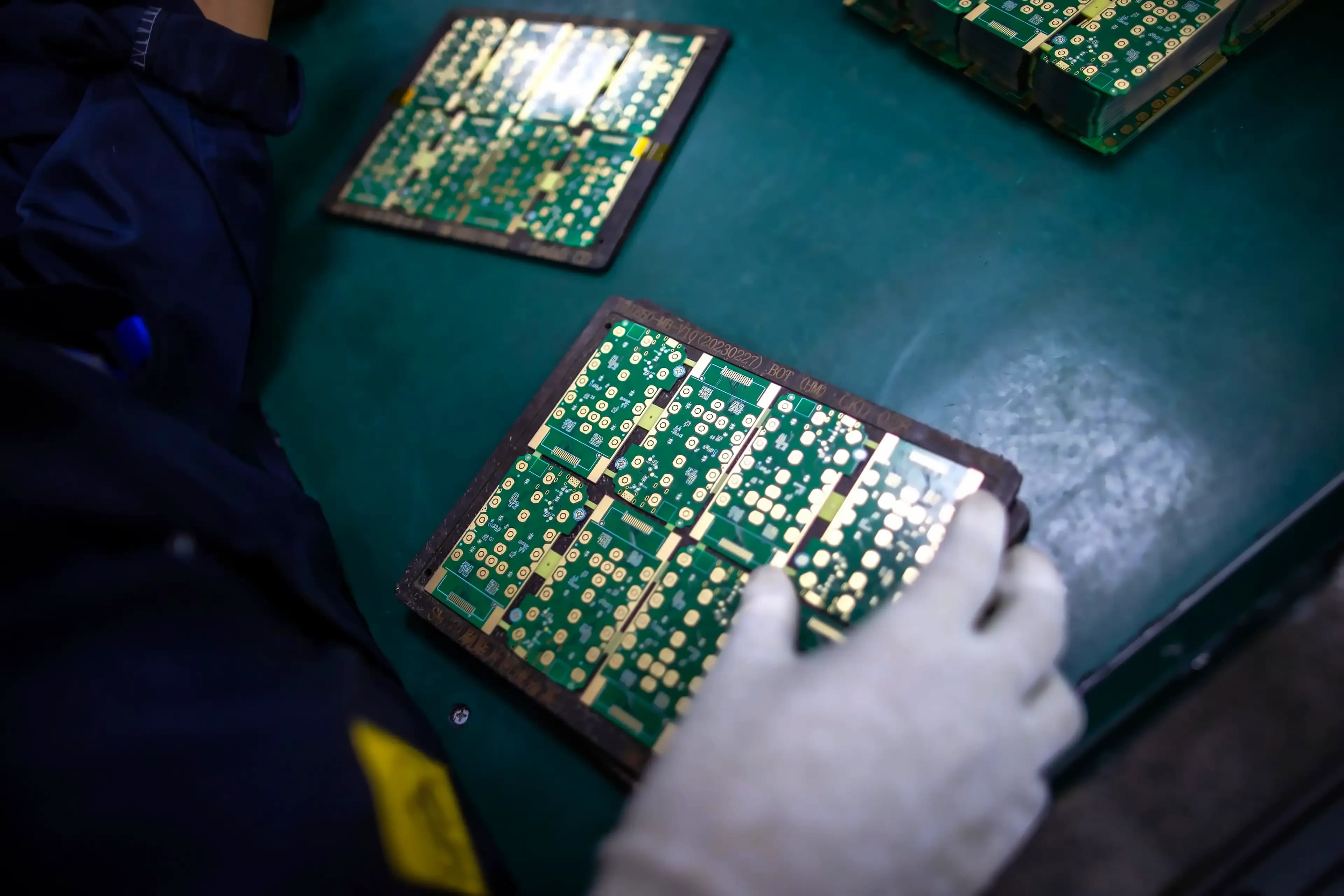
The government has approved a new tranche of 12 applications worth ₹7,503 crore under the Electronics Components Manufacturing Scheme (ECMS), as announced by Union IT Minister Ashwini Vaishnaw. According to reports from Business Standard, these projects are expected to generate production worth ₹39,045 crore and create 7,127 direct jobs. The approvals cover projects related to materials and capital goods, which widens the scheme's reach across the electronics supply chain beyond traditional component manufacturing. With these latest approvals, the total number of sanctioned applications under ECMS has reached 118. These projects span Gujarat, Karnataka, Madhya Pradesh, Maharashtra, Punjab, Tamil Nadu and Uttar Pradesh and will produce copper foil, cathode active material, speciality ceramics, multilayer printed circuit boards, relays and heat sinks. The government is also planning to start accepting new ECMS applications on a rolling basis from July 2027 to avoid missing capable companies due to application deadlines.
The approvals add to the momentum behind the scheme, which aims to build a domestic ecosystem for components and reduce India's dependence on imports. As reported by Business Standard, Minister Vaishnaw highlighted that some approved units could meet the entire domestic demand for their respective products, creating significant market impact. The government is keen to strengthen upstream segments such as raw materials and manufacturing equipment, alongside component production. This comprehensive approach ensures that India develops a complete electronics manufacturing value chain rather than relying solely on finished products. Speaking at the event, Vaishnaw emphasized that "India is strengthening its domestic electronics manufacturing ecosystem, with a growing focus on manufacturing computers and their components within the country, reducing import dependence and building a robust, self-reliant electronics value chain."
In a parallel development, the government launched the Semicon 2.0 web application portal under the ambitious Semicon India Programme on Friday. According to Business Standard, this new web portal represents a significant expansion of the government's semiconductor manufacturing initiatives. The launch of Semicon 2.0 demonstrates the government's commitment to building a robust semiconductor ecosystem in India through digital infrastructure development. Under India Semiconductor Mission 2.0, the government aims to attract three large equipment manufacturers and five major chemical and gas producers, requiring specialised technology and complex manufacturing capabilities. The portal will accept only complete applications and will not accommodate "placeholders" or "frivolous applicants," as emphasized by Minister Vaishnaw. As reported by The Times of India, the programme aims to attract at least three large semiconductor equipment makers and five major suppliers of chemicals and gases, with success being judged by whether India can bring these companies to the country.
The government has implemented stricter quality control measures for future applications under both schemes. As reported by Business Standard, under the ECMS scheme, the government has received 275 applications till date, of which nearly 17-18 applicants did not have the right approvals, technology vendors, or other basic requirements for setting up new units. A senior government official explained that "any applicants found bidding for the new electronics component manufacturing units for the sake of it would be removed from the list." This approach will also be followed for applications yet to be approved under the ECMS scheme. The government's commitment to quality over quantity ensures that only serious players participate in these high-value manufacturing initiatives.
The government has also launched the Bharat Audyogik Vikas Yojna (BHAVYA), a ₹33,660 crore initiative to develop 100 plug-and-play industrial parks across India. As of February 2026, 4,164 industrial parks have been mapped on the India Industrial Land Bank (IILB), with the scheme attracting investments worth ₹7.82 lakh crore and generating employment for over 31.7 lakh people. The initiative aims to raise India's manufacturing share to 25 percent of GDP by 2035, emphasizing sector-specific plug-and-play parks and reform-linked delivery at the national level.