GIFT City has significantly expanded its international financial services offerings by developing a comprehensive framework for Non-Resident Indians (NRIs) to access global investment opportunities through the International Financial Services Centre (IFSC). According to recent reports, eligible NRIs can now access foreign currency-denominated investments, international securities, and global funds through GIFT City's IFSC banking units, providing structured channels for international financial activities from India. IDFC FIRST Bank offers a Global Savings Account for eligible NRIs through its GIFT City IFSC banking unit, demonstrating the practical implementation of this enhanced framework. The availability of each option depends on specific financial institutions, products, and applicable regulations, with separate onboarding, eligibility checks, and minimum investment requirements applying to different products.
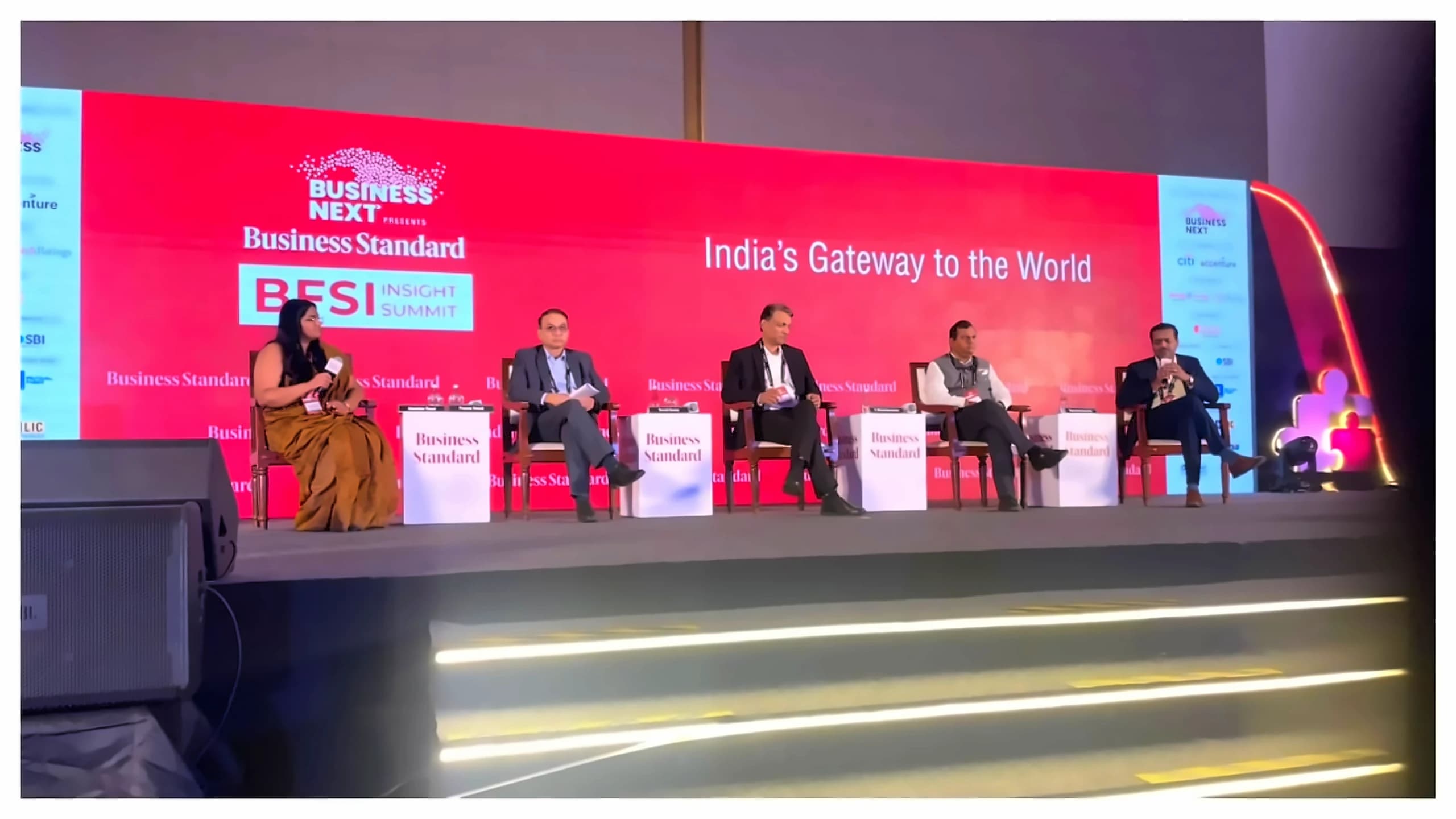
GIFT City is positioning itself as an international financial hub by simplifying business processes and widening access to overseas investments, according to industry leaders at the Business Standard BFSI Summit in Mumbai. As reported by Business Standard, Dipesh Shah, executive director of the International Financial Services Centres Authority (IFSCA), outlined that the regulatory framework now extends beyond conventional capital markets to cover banking and other financial services. The aim is to establish a distinct identity for the centre rather than compete directly with other international financial centres, with an efficient dispute-resolution mechanism including an arbitration centre offering advantages over existing Indian centres.
The government has implemented significant procedural reforms to reduce operational barriers. According to Business Standard reports, entities traditionally needed approvals under both the SEZ framework and IFSCA, but the government has appointed an IFSCA-nominated officer as development commissioner, reducing procedural delays and removing separate requirements linked to the commencement of business after registration. Fund management entities can now use existing offices for multiple funds, while eligible group companies engaged in aircraft and ship leasing can share offices and documentation. A single-window system allows entities to submit one application for relevant approvals, with letters of approval issued in around 15-16 days on average.
NSE International Exchange has facilitated capital-market activity and cross-border capital flows, with the migration of offshore Nifty trading to GIFT City in 2023 helping establish GIFT Nifty as a platform for international investors. As reported by Business Standard, IFSCA and the Securities and Exchange Board of India (Sebi) have formed an implementation group, which includes NSE International Exchange, to develop a framework for Indian issuers seeking to raise international capital through GIFT City. Operating guidelines are expected soon, with several companies and investment bankers expressing interest and some issuances filed with IFSCA, though hurdles remain including restrictions on GIFT-based entities participating in initial public offerings.
Industry experts emphasize the need for continued regulatory clarity and infrastructure development. As reported by Business Standard, Suresh Swamy, partner at Price Waterhouse & Co LLP, noted that regulatory clarity and certainty under domestic law are key advantages for businesses operating in GIFT City, with the industry wanting a more favourable outbound tax regime. GIFT City could support innovation in insurance, aircraft and ship leasing, and education, while tokenisation and decentralised finance could gain relevance as the securities market code evolves. The government is also reviewing compliance requirements and regulatory uniformity, with Shah hoping the next six months would bring positive developments.