Finance Minister Nirmala Sitharaman met Japan Bank for International Cooperation (JBIC) Governor Kazuhiko Amakawa in Bangkok, Thailand on Friday, October 16, 2026, to discuss expanding bilateral cooperation. According to the finance ministry, the discussions focused on expanding cooperation in clean energy, energy transition, advanced manufacturing, semiconductors, critical minerals, electric mobility and resilient supply chains. The meeting took place on the sidelines of the World Bank-IMF Annual Meetings, with both sides recognizing the potential to deepen India-Japan economic and financial cooperation and learn from each other's experiences.
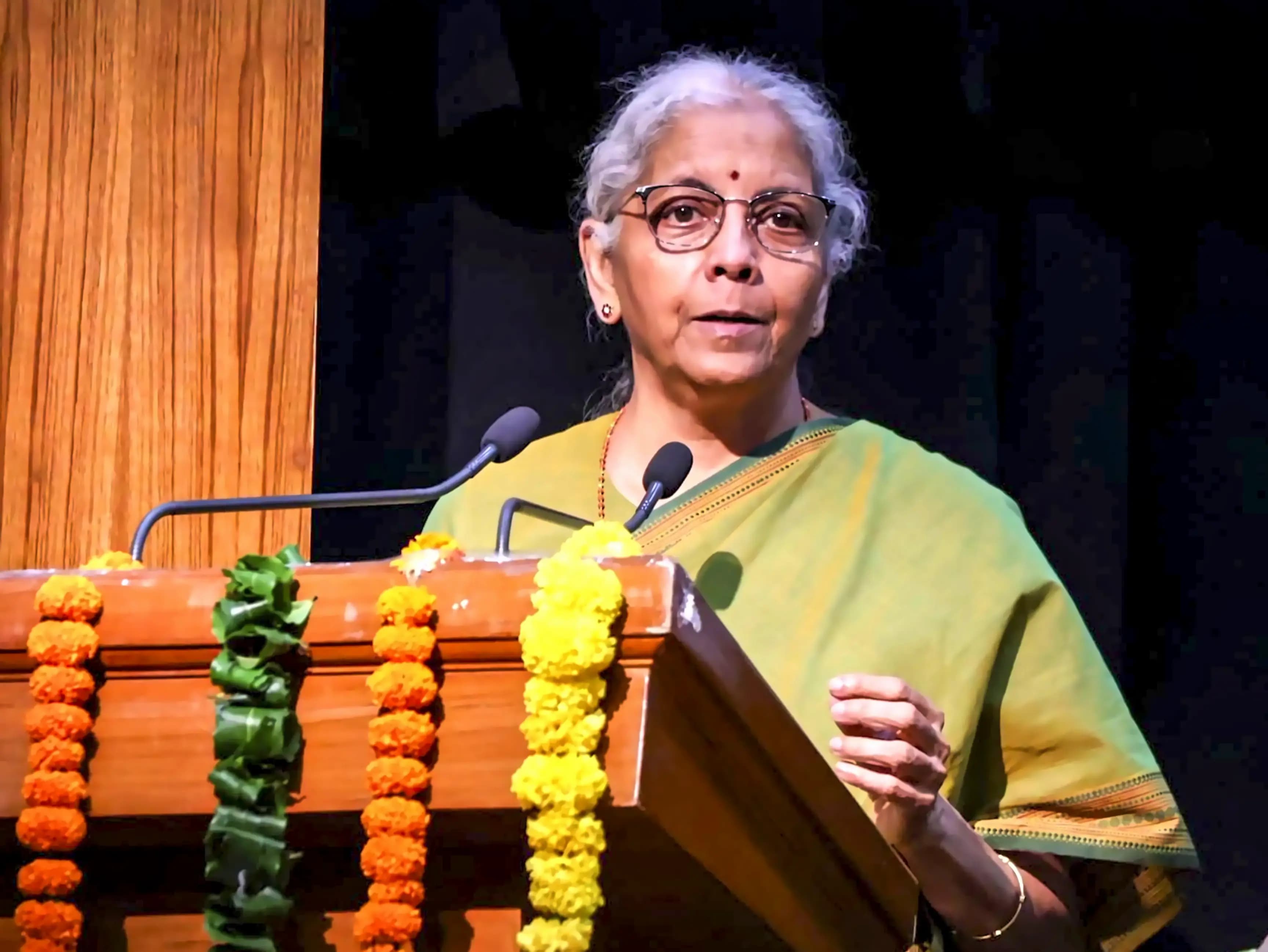
The discussions centered around the $600 million India-Japan Fund and Japanese participation in the National Investment and Infrastructure Fund (@NIIFIndia). As reported by the finance ministry, JBIC Governor Amakawa highlighted the success of the India-Japan Fund, which has invested in various sectors including electric mobility and bioethanol. He expressed hope for a follow-on fund to continue the partnership's momentum, with the fund providing a platform for investment cooperation between the two countries. India and Japan are examining the creation of a successor investment vehicle to their USD 600 million India-Japan Fund, aiming to channel fresh capital into advanced technologies, clean energy projects, and industrial supply chains. The discussions on a potential follow-on fund indicate scope for further collaboration in areas linked to energy transition and sustainable development.
During the meeting, Amakawa noted JBIC's stake in the National Industrial Corridor Development Corporation (NICDC) and highlighted growing Japanese interest in India's semiconductor sector, including opportunities at Dholera in Gujarat. According to the finance ministry, he also mentioned growing Japanese interest in AI and data centres. Sitharaman encouraged Japanese investors to explore opportunities in the data centre sector in Tier-II and Tier-III cities, including Visakhapatnam, to promote balanced urban development. The focus on smaller cities could help widen the geographical spread of investment in digital infrastructure, alongside opportunities in established industrial and technology centres.
Both sides recognised the potential to further strengthen India-Japan economic and financial ties and expressed interest in learning from each other's experiences. The discussions also covered cooperation in electric mobility, critical minerals and resilient supply chains, sectors that are becoming increasingly important to manufacturing and energy-transition priorities. The discussions underline the two countries' continued efforts to use institutional investment platforms and sectoral partnerships to expand bilateral investment and strengthen cooperation across strategic industries.
FM Sitharaman also met Bhutanese counterpart Lyonpo Lekey Dorji to strengthen bilateral economic cooperation, as reported by the finance ministry. The India-Bhutan discussions focused on energy collaboration, trade, connectivity, financial integration, and INR currency payments. She reiterated India's continued commitment to supporting Bhutan's developmental priorities and welcomed progress in bilateral cooperation. Both ministers reaffirmed their commitment to advancing the long-standing partnership through closer economic engagement, improved connectivity and mutually beneficial development initiatives. The discussions also covered exploring INR currency payments and settlements and exchanged views on advancing energy cooperation and enhancing bilateral trade facilitation.