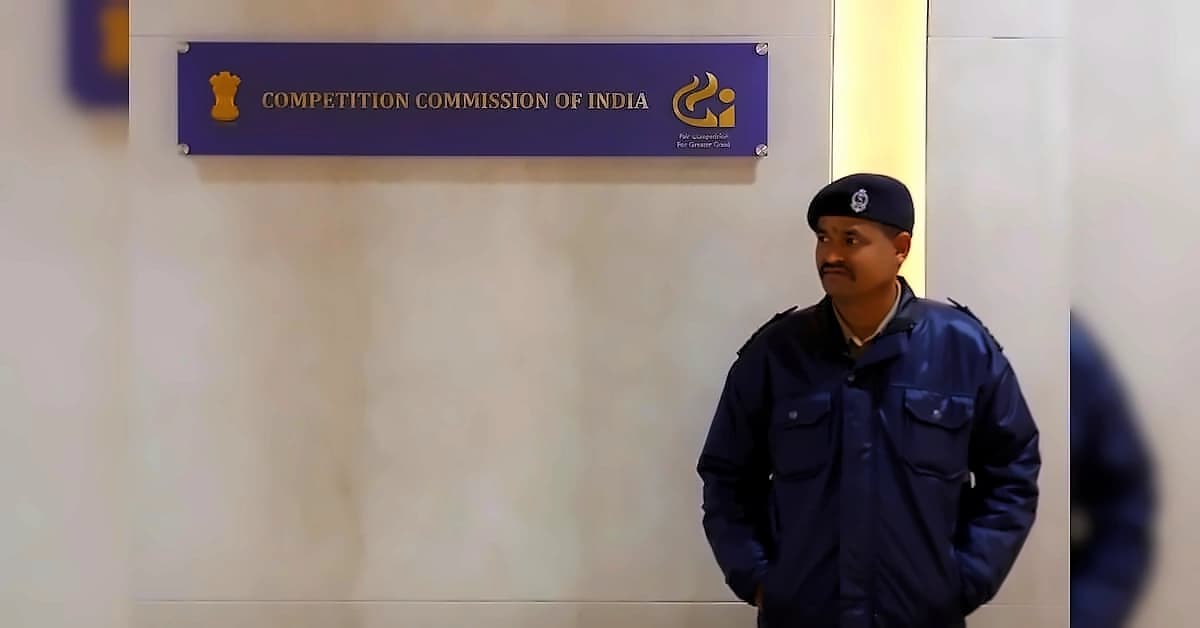
Film industry bodies function solely as trade unions and pressure groups under the Trade Unions Act, 1926, with no legal enforcement powers under Indian contract or labour law. According to Alay Razvi, managing partner at Accord Juris, such bodies cannot legally prohibit producers, technicians, or actors from working with anyone. The Competition Commission of India has curtailed film unions' ability to enforce restrictive practices deemed anti-competitive under Section 3 of the Competition Act, 2002, holding that unions cannot compel producers to hire only their members.
Legal experts note that while film unions lack jurisdiction to adjudicate contractual disputes or award damages under the Civil Procedure Code, 1908, industry-wide bans could be challenged before courts. Adhiraj Harish, partner at D.M. Harish & Co., explained that such directives could violate the fundamental right to practice any profession guaranteed under Article 19(1)(g) of the Constitution. The Supreme Court has interpreted the right to life under Article 21 to include the right to a livelihood, making such bans subject to legal scrutiny under Section 27 of the Indian Contract Act.
Film industry bodies perform important institutional functions in maintaining industrial discipline and safeguarding member welfare. Ankit Sahni from Ajay Sahni & Associates noted they regulate internal conduct, mediate disputes, address safety and wage concerns, and act as pressure groups. According to Kaushik Das, founder of AAO NXT, these bodies have historically called strikes, issued non-cooperation directives, and negotiated minimum wage structures, with actions having real on-ground impact. A non-cooperation directive can make it difficult for a production to assemble a crew, providing significant leverage.

Their decisions derive legitimacy primarily from consensual membership arrangements and industry practice, not legislative mandate. Tushar Kumar, advocate at the Supreme Court of India, explained that while film bodies may issue advisories or impose internal disciplinary consequences, any arbitrary or disproportionate action is liable to invite judicial scrutiny. The dynamics differ in southern film industries, where associations operate in closer coordination and derive additional influence from political and social networks.