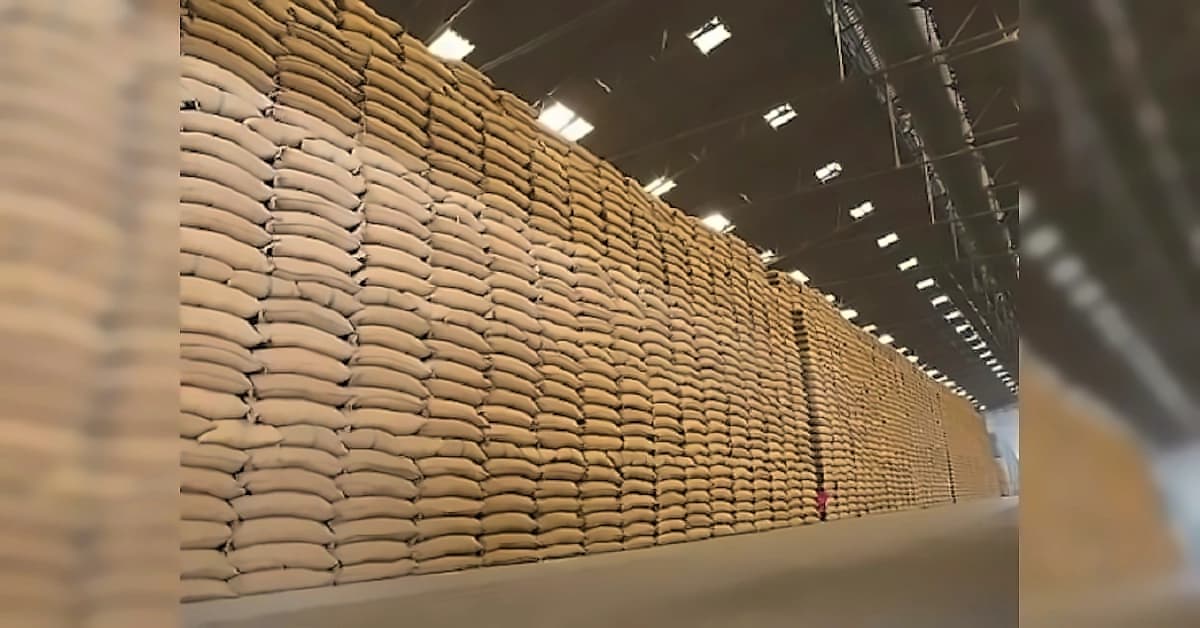

Delhi has implemented significant changes to its ration distribution system by raising the household income limit to ₹2.5 lakh. According to reports from Upstox Securities, this increase represents a substantial increase from previous income thresholds and expands eligibility for ration card benefits to a larger segment of the population. The change reflects the government's commitment to ensuring food security for more families across the capital.
As part of the reforms, Delhi has introduced a digital currency ration plan for ration card holders. As reported by Upstox Securities, this new system represents a significant shift from traditional cash-based distribution methods to a more modern digital payment infrastructure. The digital rupee system is designed to streamline the ration distribution process and improve efficiency in food security delivery.
The new digital currency ration system is expected to provide enhanced transparency and accountability in food distribution processes. According to reports from Upstox Securities, the digital implementation aims to reduce corruption and ensure proper tracking of ration distribution. The combination of higher income eligibility limits and digital payment systems represents a comprehensive modernization of Delhi's ration distribution framework.