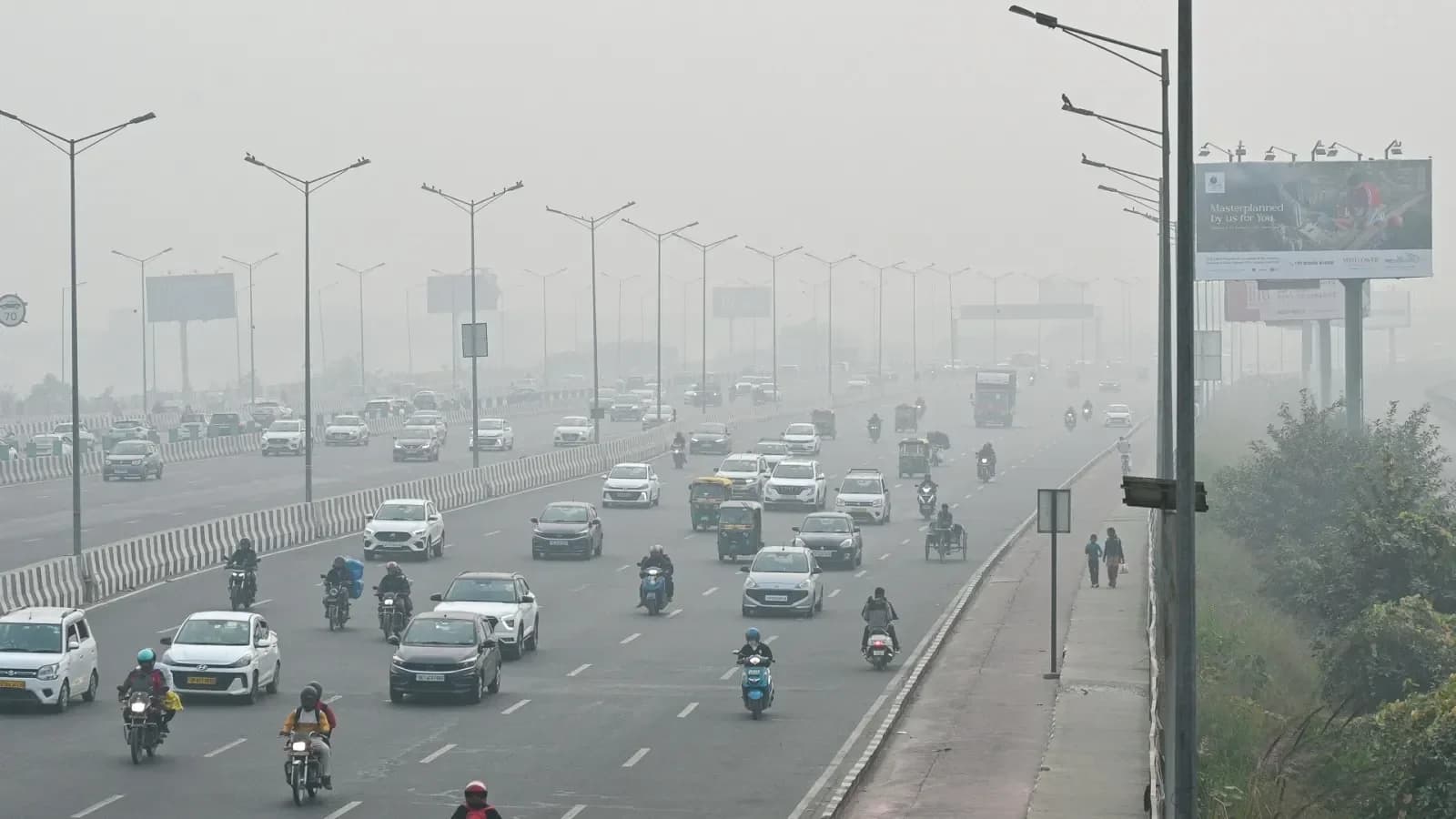
The Delhi government has officially released the Draft Delhi EV Policy 2026-2030, allocating a massive ₹3,954.25 crore outlay to accelerate electric vehicle adoption and expand charging infrastructure across the national capital. According to the latest notification, the policy focuses on financial incentives, tax exemptions, and mandatory electrification targets to reduce vehicular pollution. The policy will remain in force until March 31, 2030, with the draft now available on the official Transport Department website for public feedback until May 10, 2026. As per the notification, the policy aims to curb vehicular emissions, which account for around 23% of Delhi's winter air pollution. The public can provide feedback on the draft policy through evpolicy2026@gmail.com or by post at Joint Commissioner (EV), Transport Department, Govt. of NCT of Delhi, 5/9 Underhill Road, Delhi- 110054.
The policy offers significant incentives for electric vehicles across all categories, with 100% exemption on road tax and registration fees for all EVs registered in Delhi during the policy period. As reported by the latest notification, all electric cars with an ex-showroom price of ₹30 lakh or less will receive full exemption, while strong hybrid vehicles will get 50% relief. Electric two-wheelers priced up to ₹2.25 lakh will receive incentives ranging from ₹10,000 per kWh (up to ₹30,000 in the first year) to ₹3,300 per kWh (up to ₹10,000 in the third year). Electric three-wheelers will get ₹50,000 in Year 1, ₹40,000 in Year 2, and ₹30,000 in Year 3, while electric four-wheeler goods vehicles (N1 category) will receive incentives ranging from ₹1 lakh to ₹50,000 over three years. However, as per BT Explainer, electric cars priced above ₹30 lakh (ex-showroom) will not receive tax or registration exemptions. The policy comes amid growing competition in the EV market, with electric car sales in India rising 84% year-on-year to around 2 lakh units in FY26, according to VAHAN data.
The draft policy has sparked significant debate within India's automotive industry, with homegrown carmakers like Tata Motors and Mahindra & Mahindra strongly lobbying against any exemption for strong hybrid cars, citing concerns that such incentives could slow battery electric vehicle adoption. Meanwhile, India's Japanese-dominated car industry—Maruti Suzuki, Toyota Kirloskar Motor, and Honda Car India—has made a pitch for incentives on strong hybrid cars. The policy provides 50% road tax and registration fee exemption to strong hybrid electric vehicles priced below ₹30 lakh (ex-showroom) till March 31, 2030. This creates a complex market dynamic where strong hybrid cars jumped 35% year-on-year to 1.12 lakh vehicles in FY26, while electric vehicles attract 5% GST compared to 18% to 40% GST for strong hybrid vehicles. Out of 47 lakh cars sold in FY26, 4.2% were electric, driven by new EV launches, while Toyota Kirloskar Motor dominates India's strong hybrid segment with over 80% market share.
In a major shift towards clean mobility, the policy introduces mandatory electric vehicle registration timelines that will reshape Delhi's transportation landscape. According to the latest notification, only electric three-wheelers will be allowed for new registrations from January 1, 2027, while only electric two-wheelers will be permitted from April 1, 2028. This represents a complete transition away from conventional vehicles in the national capital, with the government providing incentives to encourage adoption of electric-rickshaws and other electric vehicles. As per BT Explainer, delivery and ride-sharing services are already barred from adding new petrol/diesel vehicles to their fleets, with the only exemption being BS-6 emission standard 2-wheelers up to December 31, 2026.
To eliminate polluting vehicles and accelerate EV adoption, the policy offers substantial scrapping incentives for older vehicles. As reported by the latest notification, scrapping incentives of ₹10,000 for two-wheelers, ₹25,000 for three-wheelers, ₹1 lakh for electric cars, and ₹50,000 for goods vehicles are available for BS-IV and older vehicles. These benefits apply when a new EV is purchased within six months of scrapping the old vehicle, providing a clear pathway for vehicle owners to transition to cleaner mobility solutions. As per BT Explainer, the incentive will be provided on the purchase of a new EV if the purchase is made within 6 months of the issuance of the certificate of deposit (CoD) from an authorised scrapping facility. For cars, ₹1 lakh scrapping incentive will be provided for the first 1 lakh applicants with car price under ₹30 lakh.
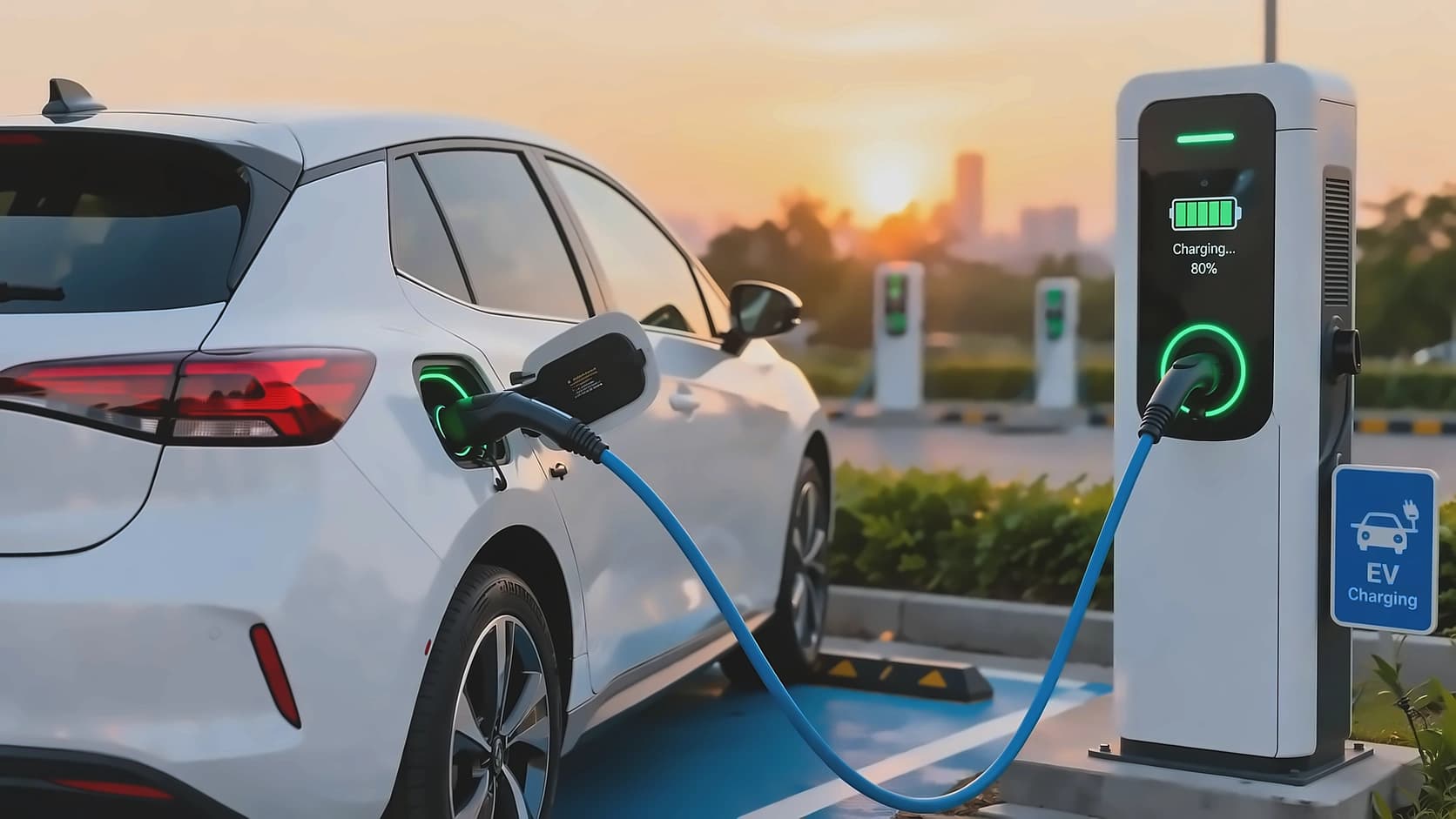
To support the ambitious EV transition, the policy establishes a comprehensive infrastructure development framework. According to the latest notification, Delhi Transco Limited will act as the nodal agency for planning and implementing charging and battery-swapping infrastructure. A dedicated digital portal will streamline approvals and monitoring, with coordination across multiple government departments. An EV Fund will be created, supported by budgetary allocations, environmental charges, and central schemes, with a high-level EV Apex Committee, chaired by the Transport Minister, overseeing implementation and fund management to ensure successful policy execution. As per BT Explainer, all new intra-state buses to be inducted by Delhi Transport Corporation and Transport Department shall be electric, while all new N1 trucks purchased/leased/hired by departments/autonomous bodies shall be only electric. Additionally, schools must ensure that 30% of their fleet is electric by 2030, with the mandate applying to the total school bus fleet whether owned, leased or hired.