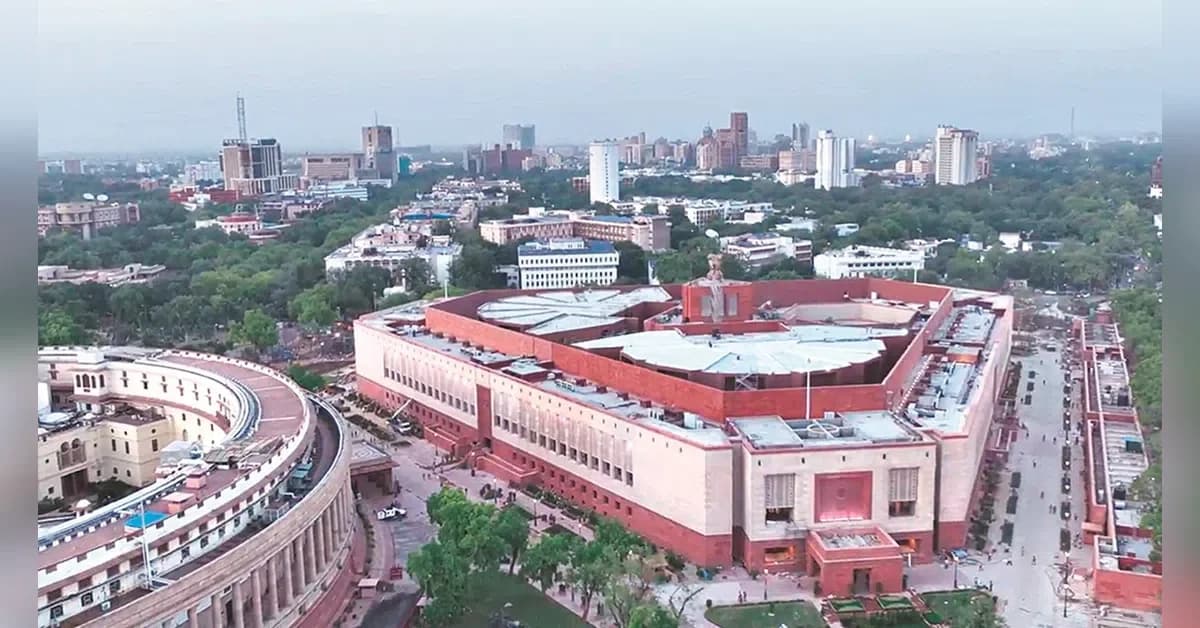
The Supreme Court on Friday dismissed Congress leader Meenakshi Natarajan's plea challenging the rejection of her nomination papers for the Rajya Sabha election from Madhya Pradesh. A bench comprising Justices Prashant Kumar Mishra and Atul S Chandurkar observed that once a nomination is rejected, remedies usually lie elsewhere, questioning whether courts can intervene at that stage despite potential errors in the decision. The court stated that any interpretation allowing court intervention while leaving others to avail election tribunal remedies cannot be encouraged, citing Article 329 of the Indian Constitution which bars courts from interfering in electoral matters. During the hearing, the top court asked Natarajan's counsel to show any judgment where it has interfered in such cases, noting that even if a decision may be erroneous, the remedy ordinarily lies elsewhere.
Ahead of the June 18 Rajya Sabha elections, the Congress has shifted its Madhya Pradesh MLAs to Bengaluru, alleging BJP attempts to poach legislators. The decision followed a Congress Legislature Party meeting led by Umang Singhar, with Congress leaders claiming that some MLAs were approached with inducements. The move comes as the BJP holds 164 MLAs and Congress 64 in the 229-member Assembly, making the election arithmetic crucial. This relocation also evokes memories of the 2020 political crisis and raises concerns about potential horse-trading ahead of the Rajya Sabha polls.
The rejection stems from allegations that Natarajan concealed information about a case in her affidavit. According to reports from Business Standard, the complaint was filed by BJP candidate Mahesh Kewat, whose lawyer argued that Supreme Court guidelines required disclosure of the pending matter. However, Congress has rejected these allegations, claiming only a show-cause notice was issued and no formal case existed. The party maintains that the Returning Officer's decision is patently illegal because no criminal case exists against Natarajan. An order by Rajya Sabha Election Returning Officer Arvind Sharma stated that it was found after examining available documents that Natarajan submitted an incomplete affidavit, omitting a court complaint in Form 26 submitted with her nomination.
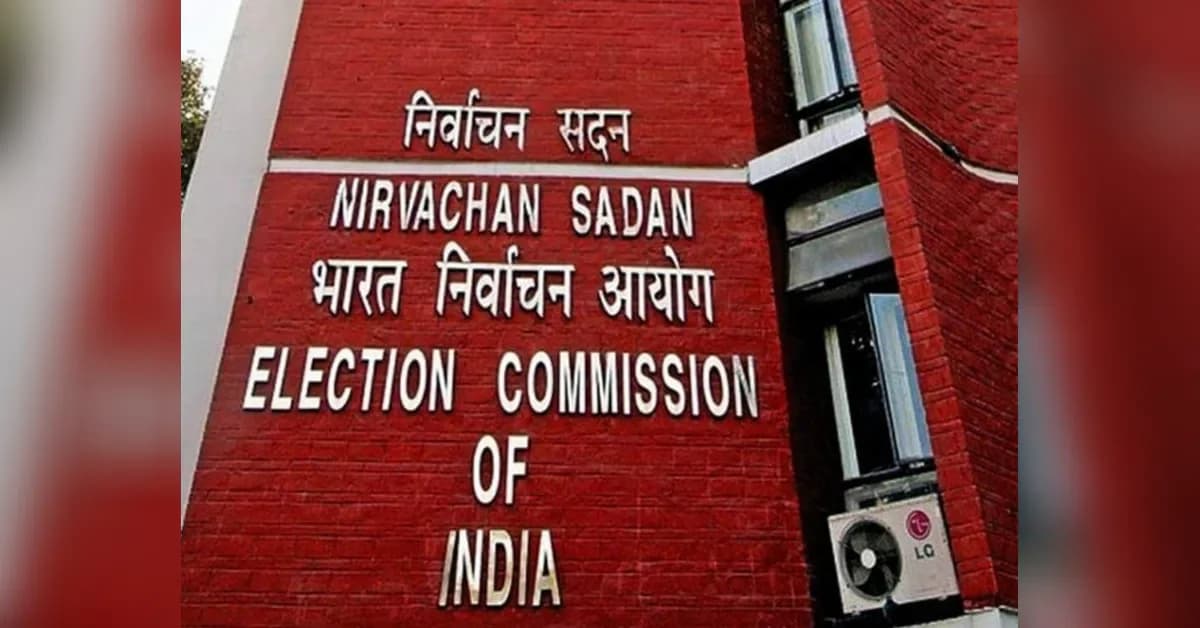
The developments come amid heightened political tensions ahead of the June 18 Rajya Sabha elections, with Congress alleging that the Election Commission blocked their delegation amid the nomination row. Abhishek Singhvi, who also heads the Congress legal cell, warned that the rejection could create a highly skewed system in democratic elections, potentially affecting democracy and the basic structure itself. With the BJP holding a clear majority in the Assembly, the Congress move to relocate MLAs to Bengaluru reflects growing concerns about potential political manipulation ahead of the crucial Rajya Sabha polls. The Supreme Court's dismissal of Natarajan's plea reinforces the constitutional framework that electoral matters must be resolved through established processes rather than judicial intervention.