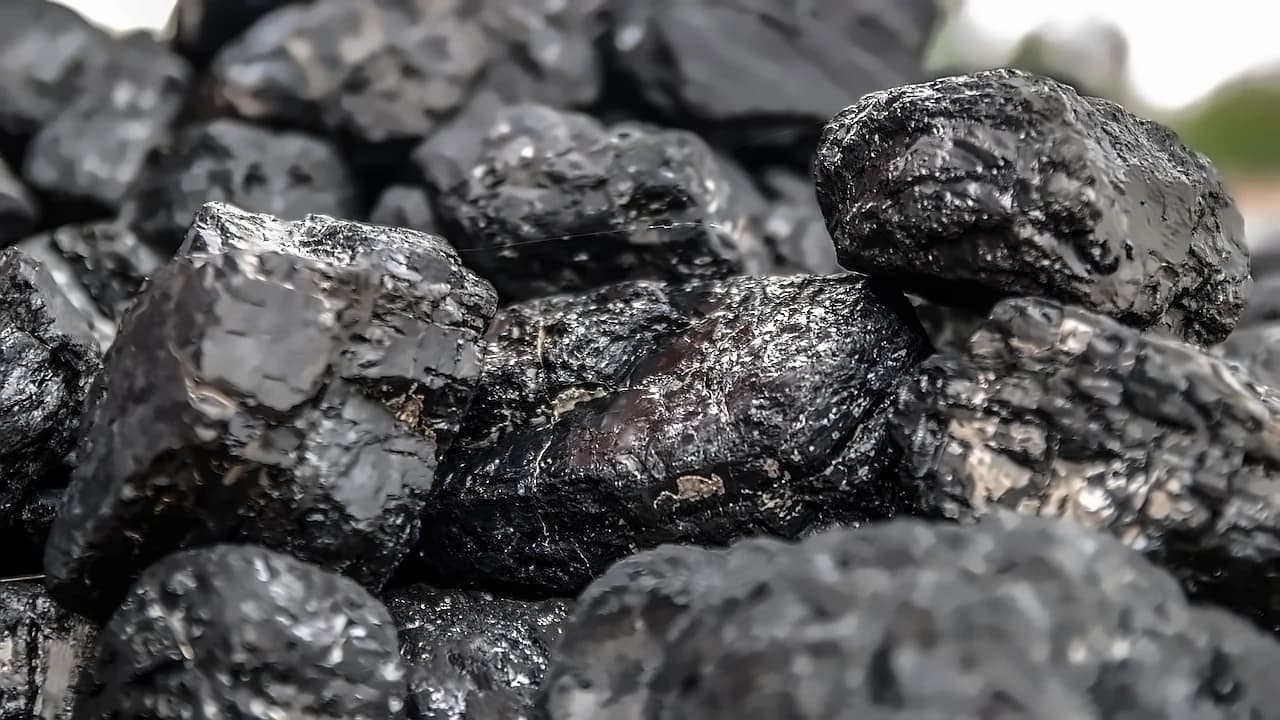
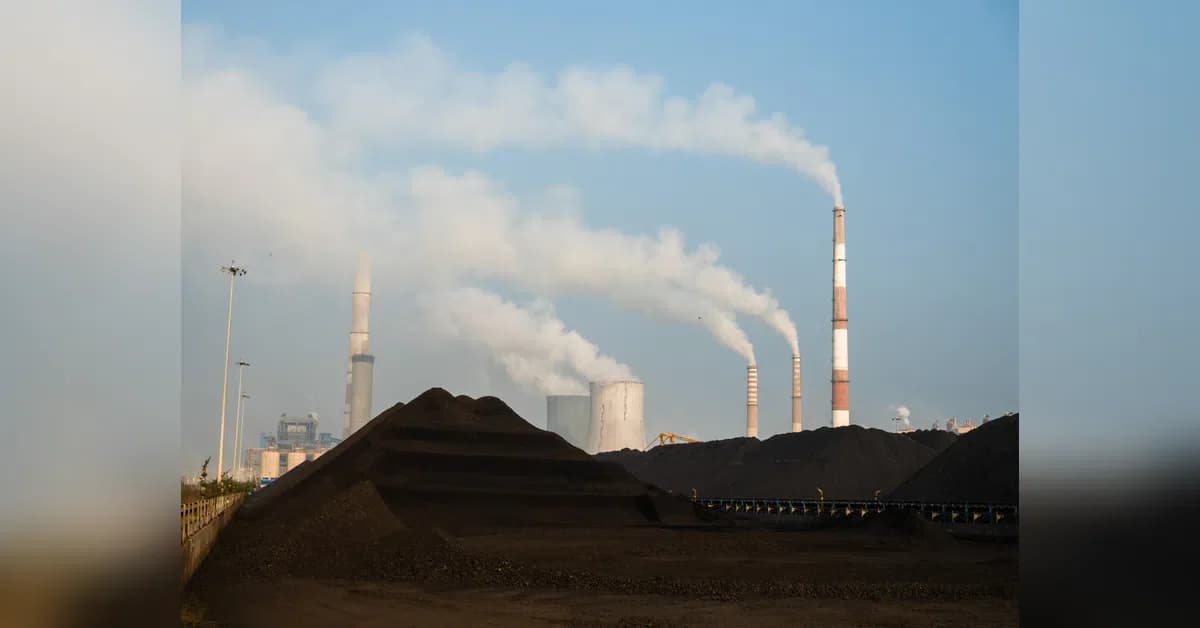
The Ministry of Coal has officially invited applications under the ₹37,500-crore incentive scheme to promote surface coal and lignite gasification projects, with the last date for proposal submission set as September 7. According to the ministry's statement, the scheme guidelines were issued on June 25, followed by publication of the Request for Proposal (RFP) on July 7. To facilitate stakeholder participation, the ministry will hold a pre-application conference on July 20 to clarify scheme provisions and the application process. The timeline comes after the ministry recently completed investor roadshows across multiple cities to attract interest in setting up coal gasification projects.
The ministry has invited queries from prospective applicants until July 25 and will issue responses by August 3. Applications will close on September 7, following which they will be opened on September 8. The ministry plans to declare the selected applicants on October 21 and issue Letters of Award (LoAs) on November 4. Successful applicants will then have 60 days to sign the Coal Gasification Plant Development and Production Agreement, with January 4, 2027, set as the target date for executing the agreements. The ministry noted that these timelines are tentative and subject to change.
The scheme provides financial incentives of up to 20 per cent of the cost of plant and machinery, with the incentive for an individual project capped at ₹5,000 crore. A single applicant, including its group companies, cannot receive more than ₹12,000 crore across all approved projects. According to the government, the total support is expected to facilitate gasification of around 75 million tonnes of coal and lignite. The incentive structure is designed to encourage the conversion of domestic coal into synthesis gas (syngas) for producing cleaner fuels, fertilisers such as urea and a range of industrial chemicals, while reducing India's dependence on imports. Under the RFP, projects will be selected through a competitive evaluation process based on financial incentive sought, plant capacity, project cost per tonne of coal, technology tie-up, and the financial strength of the applicant.
The ₹37,500-crore scheme, approved by the Union Cabinet on May 13, 2026, aims to encourage the conversion of domestic coal into synthesis gas for producing cleaner fuels, fertilisers such as urea and a range of industrial chemicals, while reducing India's dependence on imports. The government expects the scheme to mobilise investments of ₹2.5 lakh crore to ₹3 lakh crore by encouraging the production of cleaner fuels and chemicals from domestic coal. India has one of the world's largest coal reserves, estimated at around 401 billion tonnes, along with lignite reserves of about 47 billion tonnes. Coal currently accounts for more than 55% of the country's energy mix. The initiative is specifically designed to boost syngas production and downstream value-added products including synthetic natural gas (SNG), urea, ammonium nitrate, methanol, DME and other chemicals, supporting India's efforts towards greater self-reliance in the energy and chemical sectors. Industry experts view the scheme as a landmark reform that will strengthen investor confidence, reduce import dependence and position India as a global hub for coal-to-chemicals manufacturing.