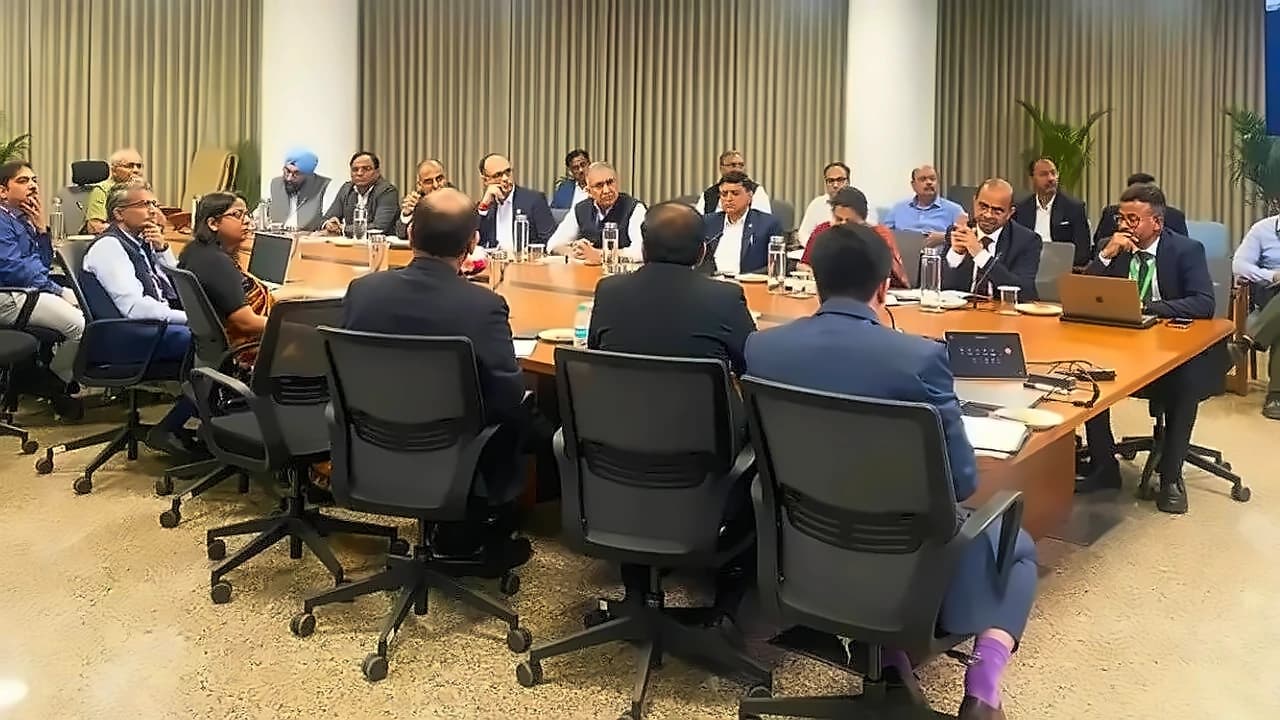
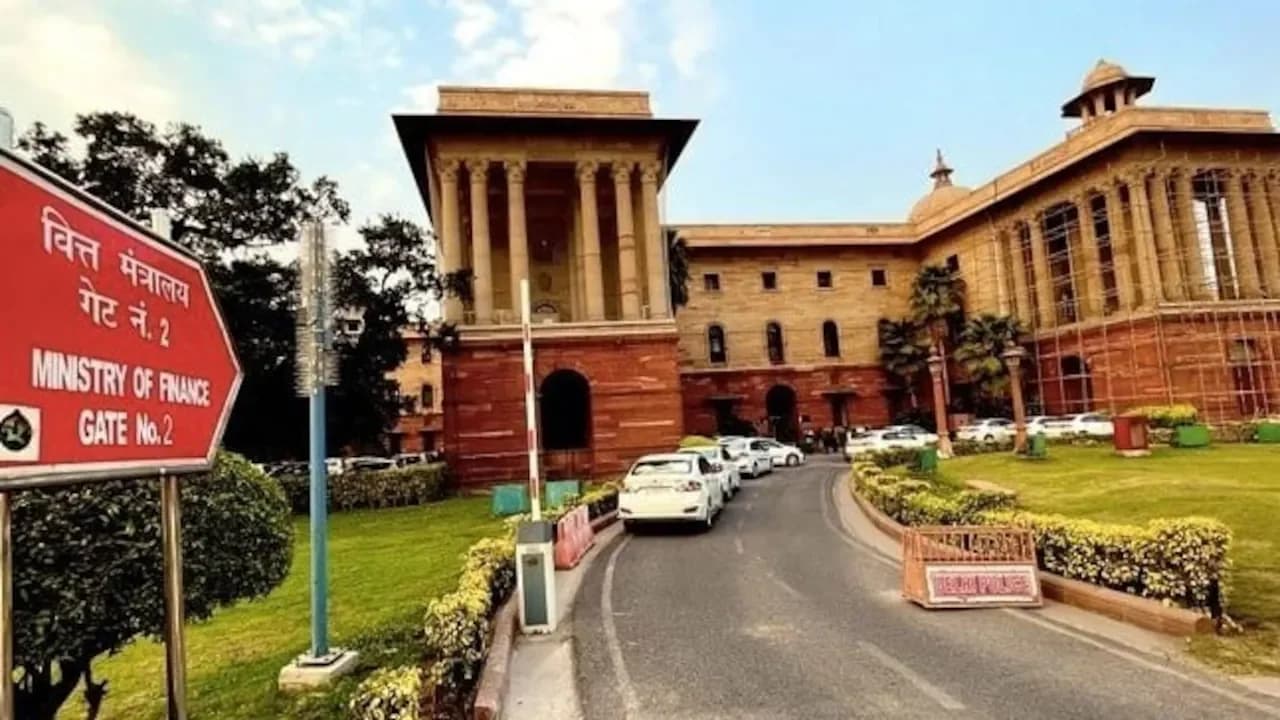
The Centre has ruled out diluting the list of public sector enterprises lined up for strategic sale amid repeated demands from heavy industries, fertiliser and housing ministries for a review. According to reports from The Times of India, the government has engaged in an extensive exercise reviewing the list of public sector companies that have been identified for privatisation, listing and closure, with the PM's Office involved in the process. The government's stance comes at a time when it is keen to maximise revenue and also send a message that it is serious about the privatisation exercise. This decision reflects the government's commitment to maintaining its disinvestment strategy despite inter-ministerial resistance.
The Union government has concluded its Offer for Sale (OFS) of Life Insurance Corporation of India (LIC) last week, moving closer to its FY27 disinvestment target of ₹80,000 crore while helping the insurer meet the Securities and Exchange Board of India's (Sebi's) minimum public shareholding (MPS) norms. Under the OFS, the government sold a base 2.5% stake with a greenshoe option of up to 4%, taking the total offer size to 6.5%. Recent disinvestment has followed a different pattern, with transactions involving companies such as Coal India, NHPC, Indian Railway Finance Corporation (IRFC), General Insurance Corporation of India (GIC), Central Bank of India and Cochin Shipyard largely through OFS, where the government sells part of its holding but retains majority ownership. This demonstrates how India's disinvestment strategy has evolved over the past three decades, shifting from strategic privatisation and transfer of management control to gradual stake dilution through the stock market.
Between FY10 and FY21, the government exceeded its annual disinvestment target only twice, in FY18 and FY19, with the government raising ₹50,304 crore against a target of ₹1.05 trillion in FY20 and ₹32,886 crore against a target of ₹2.1 trillion in FY21. Since FY15, minority stake sales have raised ₹3.30 trillion as of December 4, 2024, compared with ₹69,412 crore through strategic disinvestment transactions, representing a gap of nearly five times in favour of minority stake sales. The Nifty PSE Index's total-return version gained 76.4% in the year to October 31, 2024, making minority sales more attractive when PSU shares are trading at stronger valuations. According to experts, minority stake sales can be completed through exchange routes at market-determined prices, avoiding many approvals and negotiations involved in strategic sales.
Since economic liberalisation in 1991, India's disinvestment approach has undergone significant transformation. Before 1991, India's economic policy gave the public sector a dominant role, with the government owning and operating enterprises across several key industries under the Industrial Policy Resolution of 1956. The first disinvestment transactions began in 1991-92 through minority stake sales, with the government mainly selling small minority stakes in public sector companies, raising around ₹20,000 crore during the first phase between 1991 and 2000. The biggest policy shift came under the Atal Bihari Vajpayee-led government in the early 2000s, when the government undertook strategic privatisation by transferring management control to private players, selling controlling stakes in Hindustan Zinc, Bharat Aluminium Company (BALCO) to the Sterlite group, and VSNL to the Tata group. From the 2010s onwards, the government increasingly relied on stock market listings and stake sales, with Coal India's 2010 IPO raising around ₹15,000 crore and the CPSE ETF launched in 2014 becoming important channels for monetising government holdings.
According to data from the Department of Investment and Public Asset Management (DIPAM), annual disinvestment receipts have fluctuated significantly over recent years. Collections rose from ₹24,349 crore in FY15 to a record ₹1,00,037 crore in FY18, before moderating to ₹84,972 crore in FY19 and ₹50,300 crore in FY20. Receipts fell to ₹32,886 crore in FY21 amid the pandemic and further to ₹13,534 crore in FY22 when the Air India sale was completed. In FY26, the government mobilised ₹16,886 crore, while FY27 receipts have reached ₹20,391 crore so far, largely through offer-for-sale (OFS) transactions rather than strategic privatisation. The government has also continued to sell stakes in companies such as NHPC, Coal India and Indian Railway Finance Corporation through OFSs while retaining majority ownership, with major pending transactions including the proposed privatisation of Bharat Petroleum (BPCL) and the government's planned stake sale in IDBI Bank. The Economic Survey 2025-26 has proposed allowing listed PSUs to retain government-company status even if government ownership falls to 26% provided the government retains effective control.