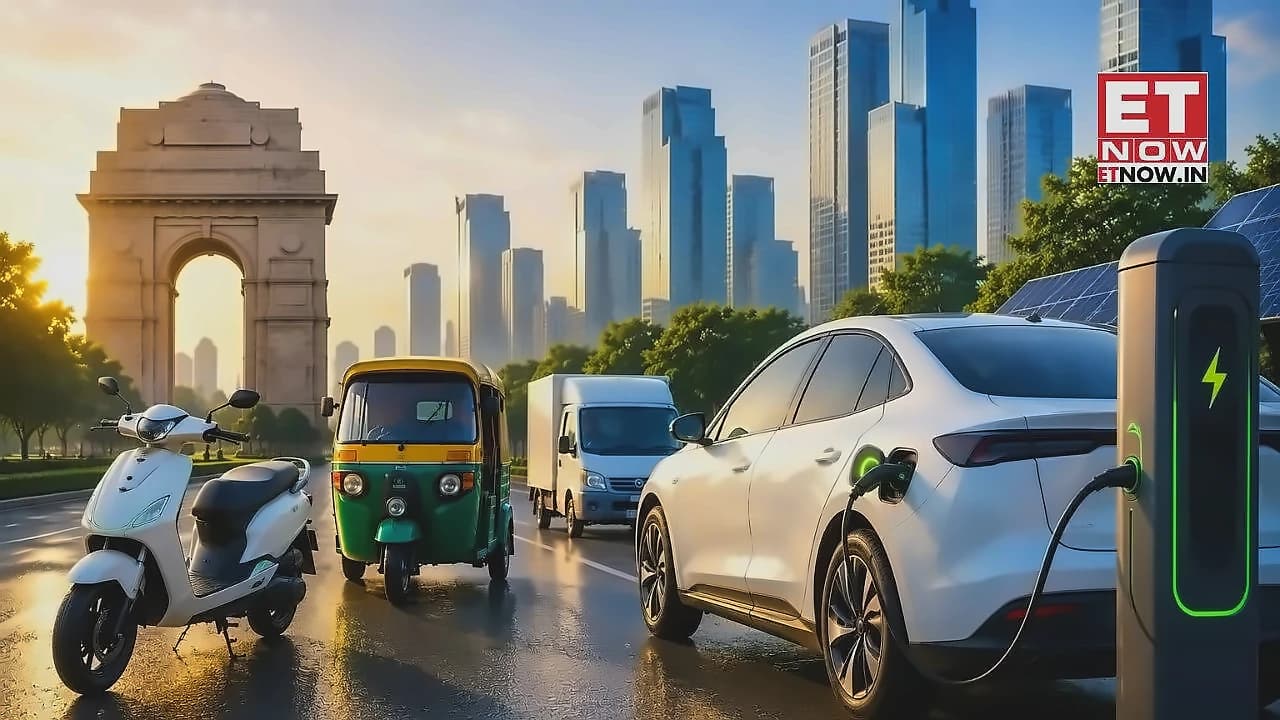
The Commission for Air Quality Management (CAQM) has ordered a phased shift towards electric N1 and N2 light goods vehicles across Delhi-NCR, with restrictions extending to high-density districts and the wider region. According to reports from Business Standard, new petrol, diesel and compressed natural gas (CNG) light goods vehicles with gross vehicle weight up to 3.5 tonnes (N1 vehicles) will not be registered in Delhi from January 1, 2027. Non-electric LGVs with gross vehicle weight between 3.5 tonnes and 7.5 tonnes (N2 vehicles) will be banned from registration in Delhi from January 1, 2028. The same ban will come into effect in Gurugram, Faridabad, Sonipat, Ghaziabad and Gautam Buddha Nagar from January 7, 2027, with only electric LGVs or mini pick-up trucks allowed to ply in these cities. For the remaining districts in NCR, the registration of petrol and diesel smaller LGVs will be banned from January 1, 2028, while both electric and CNG smaller LGVs will continue to be permitted.
The order will affect major manufacturers of non-electric N1 and N2 commercial vehicles such as Tata Motors, Mahindra & Mahindra, Ashok Leyland, Maruti Suzuki and VE Commercial Vehicles. As reported by Business Standard, their petrol, diesel and CNG models will progressively become ineligible for new registrations in parts of Delhi-NCR. However, companies such as Tata Motors, Mahindra & Mahindra, Ashok Leyland through subsidiary Switch Mobility, and VE Commercial Vehicles are present in the N1 segment with electric offerings, while electric LGV startups such as Euler Motors hold a sizeable share of the N1 market. For N2 vehicles, the ban will be rolled out in phases - Delhi will prohibit new diesel, petrol and CNG registrations from January 1, 2028, with the same restriction applying in high-density districts from July 1, 2028. In these areas, only electric LGVs of the N2 category will be allowed to ply.
The Commission said nine registered vehicle manufacturers currently offer 20 electric N1 models, providing sufficient product capacity for the first phase of restrictions. According to Business Standard, CAQM adopted a more cautious approach towards N2 vehicles because the electric market remains at an early stage. The order will be implemented in three geographical stages for N1 vehicles, with restrictions starting in the National Capital Territory from January 1, 2027, extending to five high-vehicle-density districts from July 1, 2027, and covering remaining NCR districts from January 1, 2028. For N2 vehicles, Delhi will prohibit new diesel, petrol and CNG registrations from January 1, 2028, with the same restriction applying in high-density districts from July 1, 2028. In these areas, only electric LGVs of the N2 category will be allowed to ply.

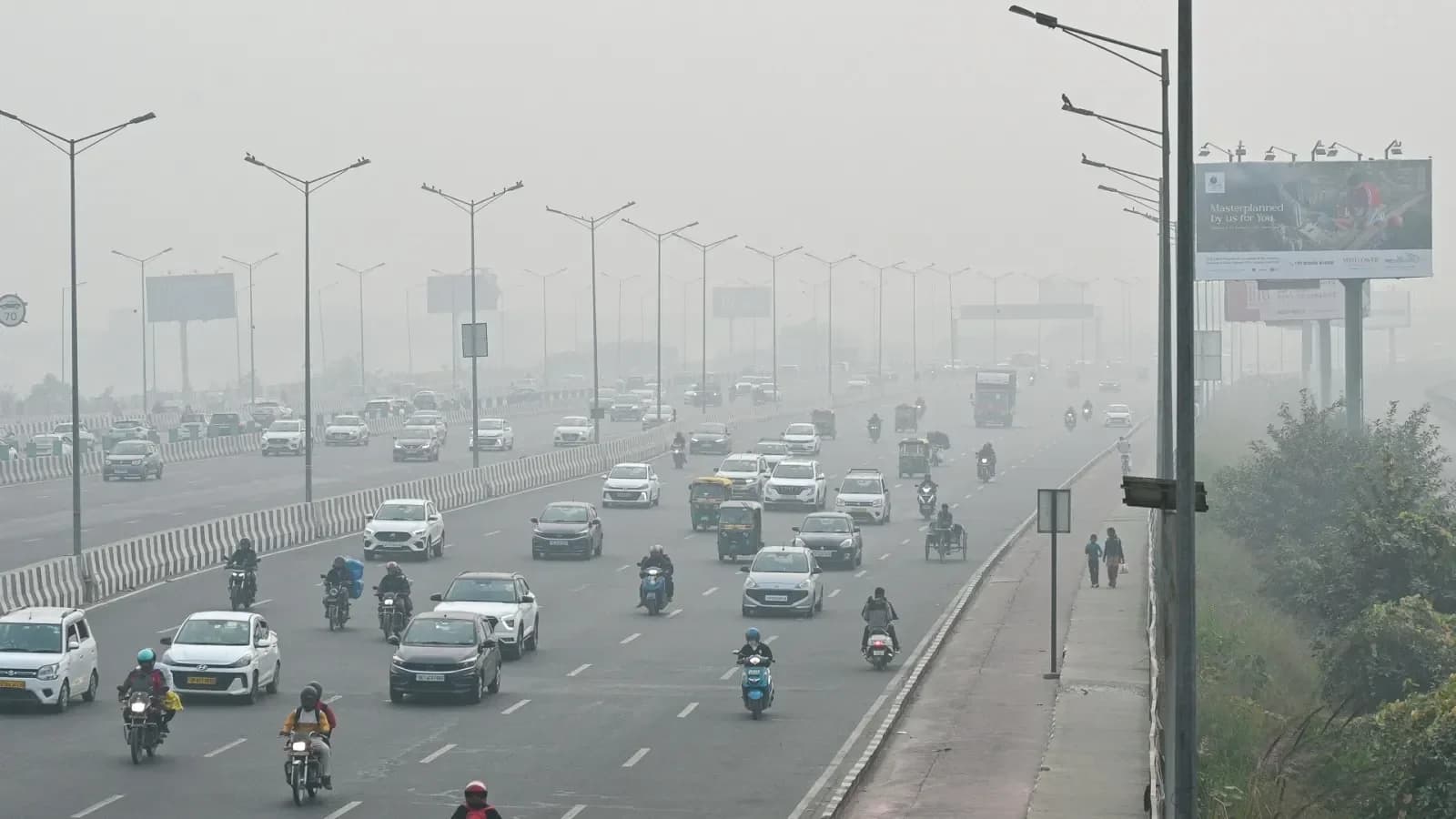
CAQM stated that LGVs account for an estimated 5.1% of PM emissions from the active vehicle fleet in the NCT of Delhi, 2.3% in high-vehicle-density districts and 3.1% in the rest of NCR. As reported by Business Standard, though LGVs constitute only about 1.2% of total active vehicle stock across the NCR, their contribution is approximately 3.3% of the PM emissions. The Commission noted that 2,744 N2 LGVs were newly registered in Delhi-NCR in 2025, but not a single one was electric, while four vehicle manufacturers had only six electric N2 models available. CAQM said the vehicular sector contributes about 23% of the total PM2.5 load during winter and 18% during summer in Delhi-NCR. The decision was taken because pollution caused by LGVs is disproportionate to their share of the total vehicles, highlighting the importance of steering future LGV sales towards cleaner technologies to avoid the long-term accumulation of high-emitting vehicles.
According to Business Standard, CAQM cited Automotive Research Association of India (ARAI) analysis showing that a BS-VI CNG LGV emits more than 57 times the PM2.5 emitted by a BS-VI CNG passenger car. A BS-VI diesel LGV meanwhile emits approximately 130 times more PM2.5 than a BS-VI CNG passenger car. The Commission questioned the long-term role of CNG as a cleaner fuel for LGVs, noting that while CNG produces substantially lower direct particulate emissions than diesel, it continues to generate nitrogen oxides (NOx), which are precursors to secondary PM2.5 formation. CAQM said CNG accounted for nearly 70% of new LGV registrations across NCR in 2025, with diesel retaining substantial share in high-vehicle-density districts. The panel also justified the inclusion of CNG vehicles in the ban, stating that though CNG significantly reduces primary particulate emissions compared to diesel, it continues to generate substantial nitrogen oxide (NOx) emissions, a key precursor to secondary PM2.5 formation.