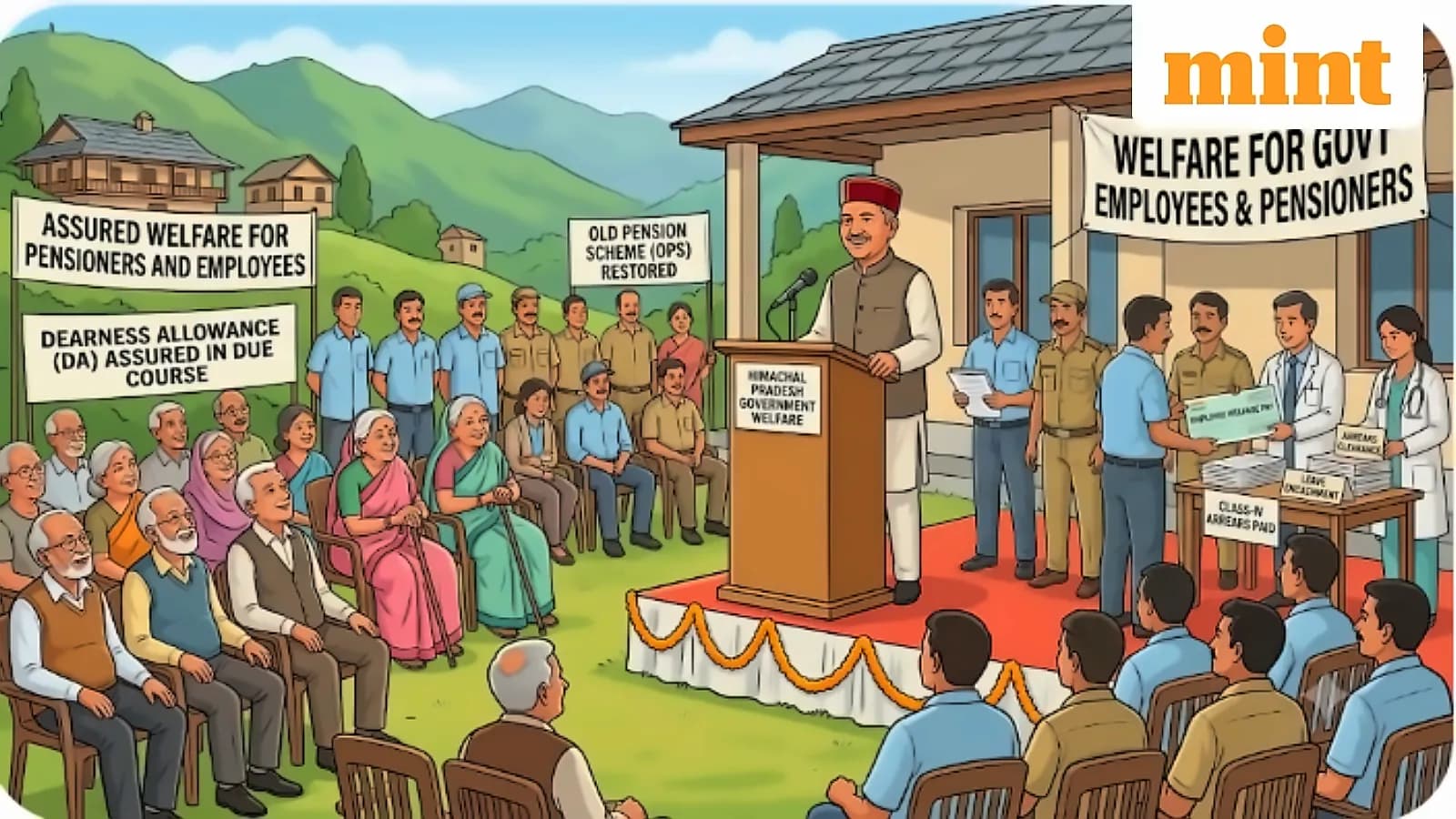
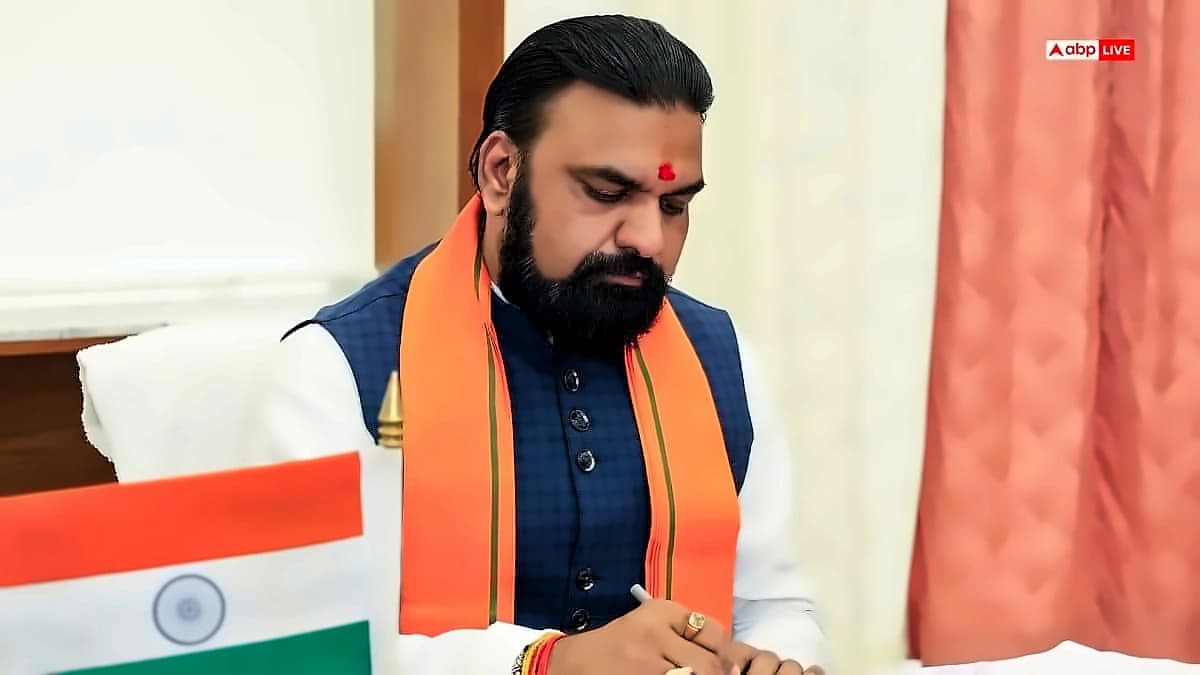
The Bihar Cabinet approved a significant dearness allowance increase for state employees during a meeting chaired by Chief Minister Samrat Chaudhary on Wednesday, May 13, 2026. According to reports from The Times of India and SocialNews.XYZ, the dearness allowance has been raised from 58% to 60%, effective January 1, 2026. This decision emerged during the first meeting of the newly expanded state cabinet, with approximately 9 lakh state government employees and pensioners set to benefit from the enhancement. The revised DA will be effective from January 1, 2026, with financial impact visible from June, and employees will receive arrears for the previous four months. The increase directly impacts employees' gross salaries as DA is calculated as a percentage of basic pay, with a ₹30,000 basic salary previously receiving ₹17,400 DA at 58%, now increasing to ₹18,000 DA at 60%, resulting in a monthly increment of ₹600. Employees under the 6th Central Pay Commission will now receive DA at 262%, up from 257%, while those under the 5th Central Pay Commission will see DA rise to 483%, up from 474%. Higher-income employees may receive hikes of up to ₹4,500, and pensioners will receive an additional ₹200 to ₹2,000.
The DA hike is expected to put an additional burden of around ₹1,000 crore on the state exchequer, as reported by SocialNews.XYZ. The move was necessitated by rising inflation, with officials indicating this as the primary driver behind the decision. However, experts believe the move may not significantly boost market demand, as government employees will benefit while those in the private and unorganised sectors may continue to feel inflationary pressure. The decision aligns with the central government's recent 2% hike, taking their allowance from 58% to 60% and benefiting 1.2 crore central government employees and pensioners. Under the new rates, employees earning a minimum basic salary of ₹19,000 are expected to receive an additional monthly benefit of nearly ₹390, while senior officers with higher pay scales, including IAS officials earning up to ₹2.25 lakh basic salary, may receive around ₹4,500 more per month. Additional Chief Secretary Arvind Chaudhary announced that the state has authorised raising ₹72,901.30 crore in debt for the upcoming fiscal year, with ₹64,141.28 crore to be sourced via market borrowing to fund infrastructure, development projects, and public welfare schemes.
The Cabinet approved the Bihar Electric Vehicle (Amendment) Policy, 2026, signalling the state's continued push toward cleaner transportation. The state government is aiming for 30% EV share in total vehicle sales by 2030, aligning with the global "EV 30 at 30" campaign. The Cabinet launched the "Chief Minister, Bihar Environment Friendly Transport Employment Scheme," which will provide incentives via DBT for electric goods carriers, including three-wheelers, two-wheelers, and special incentives for women buying non-commercial four-wheelers. Amendments to the Bihar Electric Vehicle Policy, 2023, will now provide direct incentives via DBT for the purchase of electric cargo three-wheelers and commercial vehicles. In a significant move for women's empowerment, special incentives will be offered to women purchasing electric two-wheelers and four-wheelers for personal use. Under industrial promotion initiatives, a dairy production unit will be set up at Bihta-Sikandarpur in Patna, producing milk, curd, butter, and related dairy items, generating 170 jobs.
The Cabinet approved the creation of five new Rural Superintendent of Police posts across East Champaran, Samastipur, Madhubani, Vaishali, and Siwan districts. As reported by The Times of India, these appointments are expected to strengthen law enforcement in rural areas. Additionally, the Cabinet cleared land acquisition for setting up a National Institute of Food Technology Entrepreneurship and Management (NIFTEM) on 100 acres in Vaishali district. Under this educational initiative, 100 acres of land will be transferred free of cost to the Union Ministry of Food Processing Industries. The Cabinet also approved the Bihar Artificial Intelligence Mission, aimed at positioning the state in emerging technologies, with 7,000 students to be trained over 5 years.
Approximately 9 lakh employees and 3.5 lakh pensioners across Bihar will benefit from this decision, including personnel from municipal bodies, district councils, and various boards and corporations, as reported by SocialNews.XYZ. The enhanced allowance will benefit approximately 9 lakh employees and 3.5 lakh pensioners, including those from municipal bodies, district councils, and various boards and corporations. The revised rate will come into effect from January 1, 2026, aligning Bihar's policy with the Centre's dearness relief structure. Pensioners will also benefit through monthly increases ranging from ₹250 to ₹2,200, offering relief against inflation and rising living costs. The move demonstrates the government's commitment to addressing financial pressures faced by state employees amid inflationary challenges.