
The 8th Central Pay Commission has officially commenced operations following formal notification by the Government, with fresh expectations emerging for substantial salary increases. According to ABP Live, representatives of central government employee organisations, such as the Federation of National Postal Organisations (FNPO), have urged a graded fitment factor ranging from 3.0 to 3.25, depending on the pay level, along with a 5% annual increment proposal. If a factor of around 3.15 is finally adopted, it could more than triple the current minimum basic salary of ₹18,000 to approximately ₹56,000 or more for entry-level staff. Such a jump would significantly uplift pay for both lower and mid-level employees, though the ultimate decision rests with the 8th Pay Commission and the government.
The 8th Central Pay Commission has officially commenced operations following formal notification by the Government. According to Zee News, Minister of State for Finance Pankaj Chaudhary confirmed in a written response to Rajya Sabha member Javed Ali Khan on February 3, 2026, that the commission's constitution has been notified and its Terms of Reference (ToR) were issued on November 3, 2025. The commission has been mandated to deliver its recommendations within 18 months of its constitution, meaning the panel will likely submit its report by mid-2027. This development comes after the Union Cabinet approved the ToR on October 28, 2025, with the commission taking effect from January 1, 2026. The commission is headed by chairperson Ranjana Prakash Desai and will cover employees across Levels 1 to 18, spanning Group D, C, B and A categories, along with pensioners.
Using the proposed higher fitment factor of around 3.15, indicative revisions could show significant increases across different pay levels. According to ABP Live, Level 1 (entry level) employees could see their salary increase from ₹18,000 to approximately ₹56,000, representing an increase of about ₹38,000. Level 10 (mid/senior level) employees could see their salary rise from ₹56,100 to ₹1,20,615, an increase of about ₹64,515. Level 18 (top officers) could see their salary increase from ₹2,50,000 to ₹5,37,500, an increase of about ₹2,87,500. The final figures will depend on the recommendations submitted by the 8th Pay Commission and their acceptance by the Centre, with the entire process expected to conclude in the second half of 2027, with revised pay and pension announcements likely around the festive season.
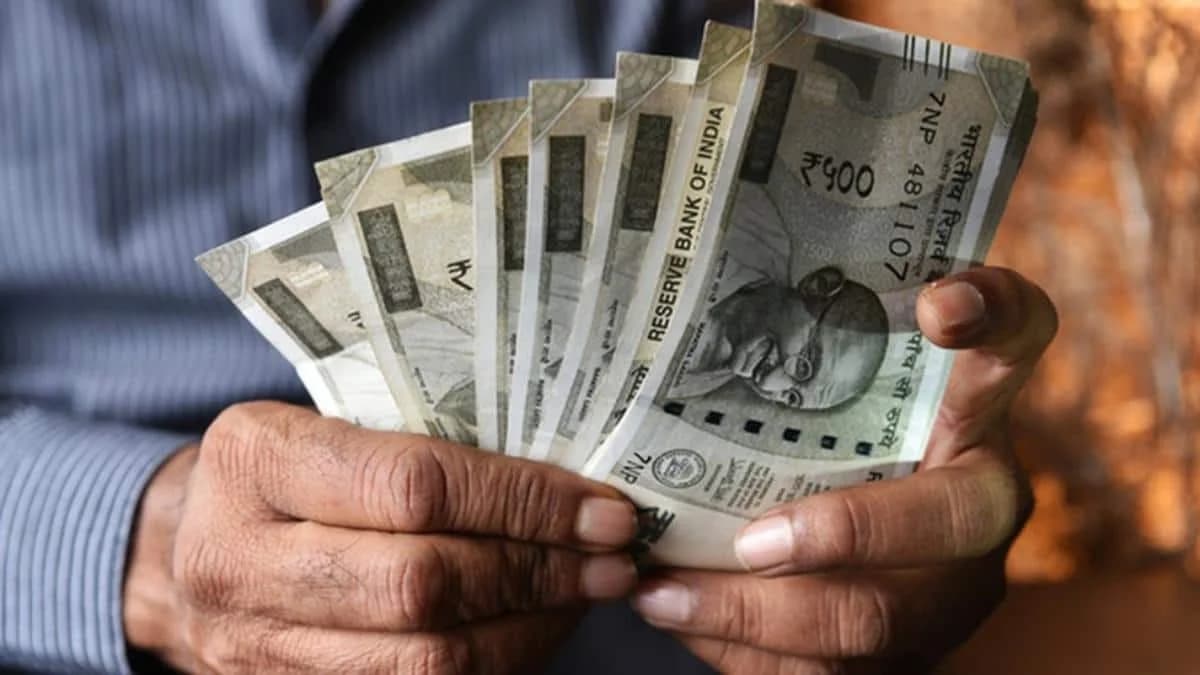
The Terms of Reference (ToR) for the 8th Pay Commission were approved by the Union Cabinet in 2025, and consultations with employee representatives are currently underway. As per ABP Live, formal meetings are scheduled later in February where employee organisations will finalize their draft recommendations to be submitted to the government. Once the commission receives input on fitment factors, allowances, and other demands, it will prepare its recommendations for government approval. The final salary revision, if implemented, could be made retrospective from January 2026, potentially leading to arrears for intervening months. At present, all eyes are on these big meetings where the final draft will be finalized, with employees set to receive the increased salary as a lump sum arrears.
The determination of the fitment factor will directly impact the pockets of 5 million employees and over 6.5 million pensioners. If the government sets a fitment factor of 3.15-3.25, the current minimum basic salary of ₹18,000 could increase to approximately ₹56,000-₹58,500. Similarly, the minimum pension for pensioners, currently ₹9,000, could increase to between ₹22,000 and ₹25,000 based on the fitment factor. Employee organisations are also demanding an increase in the annual increment rate from the current 3% to 5% to reduce the pay gap with the private sector. Alongside the fitment factor debate, unions have been pushing for allowances and pension increases to accompany the basic pay overhaul, with the structure of dearness allowance, house rent allowance and other components still under negotiation.