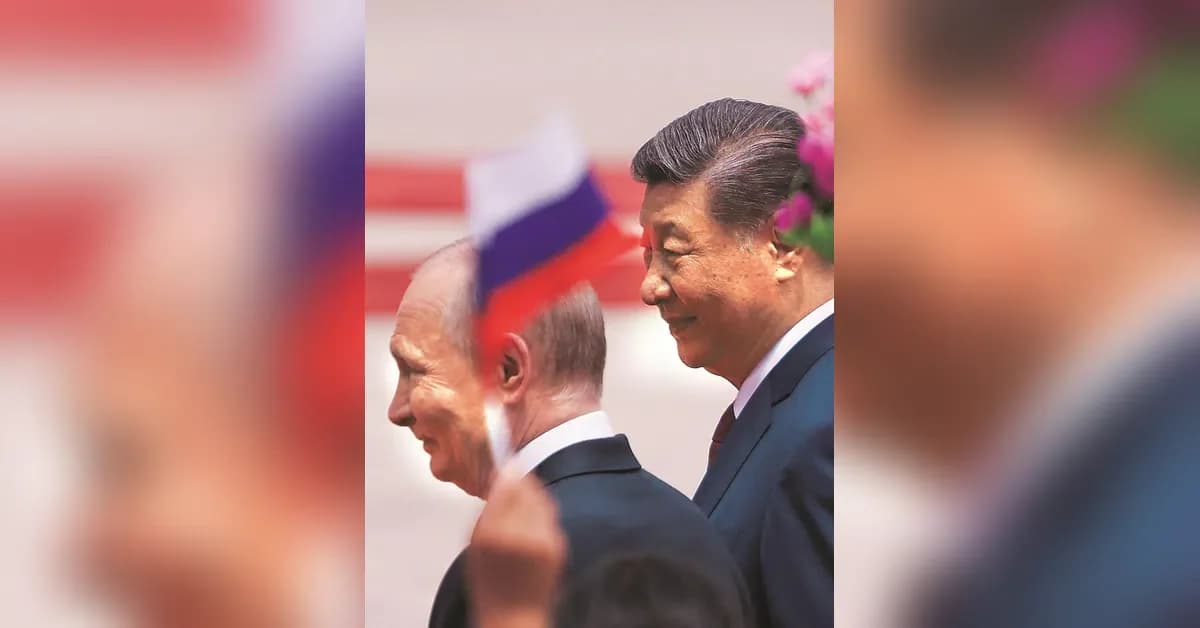
Chinese President Xi Jinping and Russian counterpart Vladimir Putin expressed strong opposition to US-Israeli military strikes on Iran during their Wednesday talks in Beijing. According to reports from Devdiscourse, the joint statement issued at the end of their day-long discussions characterized the US and Israeli strikes as 'illegal and seriously undermine stability in the Middle East'. The leaders also condemned what they called 'treacherous military strikes against other countries, the hypocritical use of negotiations as cover for preparing such strikes, the assassination of leaders of sovereign states, the destabilization of the domestic political situation in these states and the provocation of regime change, and the brazen kidnapping of national leaders for trial'. The joint statement stressed 'the need for a return as soon as possible of the conflicting parties to dialogue and negotiations aimed to prevent the conflict zone from spreading' and urged the international community to maintain an 'objective and impartial position, to assist de-escalation, and to defend the fundamental norms of international relations together'. Putin's visit to Beijing followed days after Trump's tour here during which the Iran war, opening of the Strait of Hormuz by Iran dominated their talks. As reported by Bloomberg, Xi added urgency to his earlier calls for a ceasefire, stating 'A comprehensive ceasefire is imperative. Restarting war is even more unacceptable, and adhering to negotiations is particularly important.'
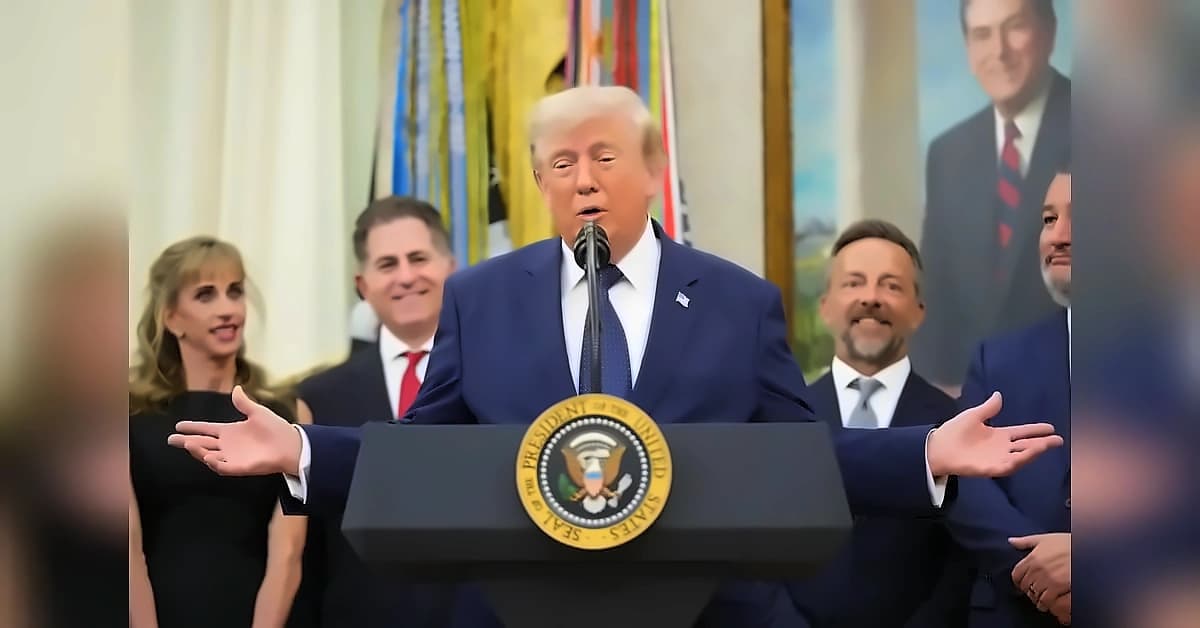
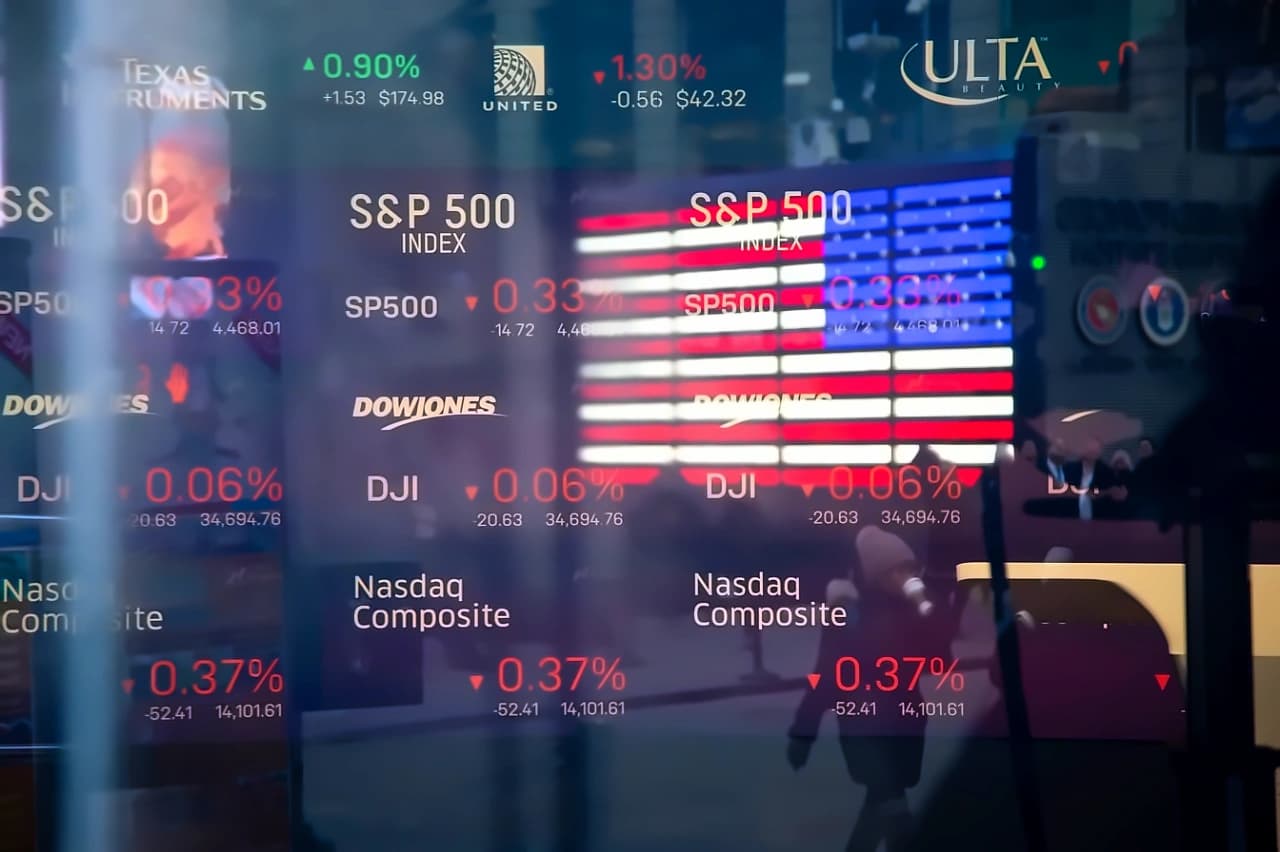
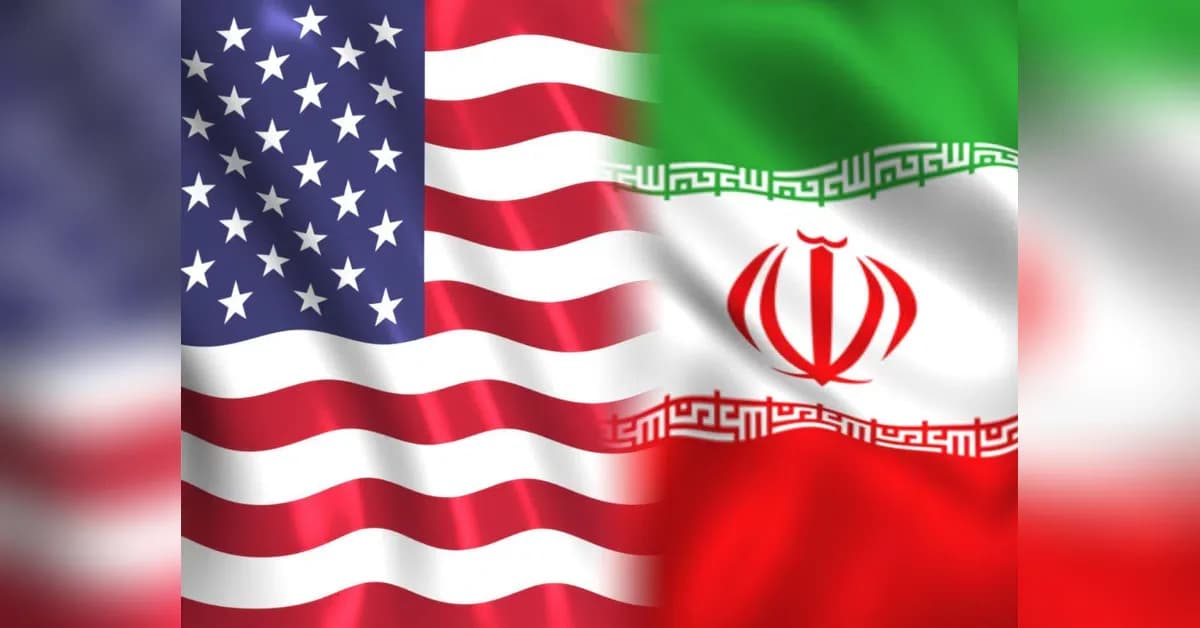
Treasuries surged on investor optimism that the US and Iran were working toward a deal that could ease a rise in global energy prices that has fanned fears around inflation. According to Bloomberg, the rally pushed yields lower across maturities after a White House pool report that US President Donald Trump said the US was in the 'final stages' with Iran. Benchmark 10-year yields declined 10 basis points to 4.57%, while those on 30-year securities fell to 5.11%. The hope that negotiations between the US and Iran could lead to an agreement helped relieve some selling pressure in the $31 trillion Treasuries market, which has been tumbling since late February. Even after Wednesday's moves, yields on 10-year Treasuries remain near their highest levels in about a year, and the 30-year rate is not far off from its highest since 2007. Trump on Wednesday also said that 'we'll see what happens' with Iran, adding that a deal will be made or 'we're going to do some things that are a little bit nasty, but hopefully that won't happen', according to the pool report. As reported by Bloomberg, Iran is reviewing the US's new draft in response to Tehran's 14-point proposal and is yet to give a response, the semi-official Tasnim news agency reported, citing a source close to the country's negotiating team.
Both leaders issued a vehement warning about the impact of shipping restrictions on international commerce. As reported by Devdiscourse, Russia and China consider 'actions of individual states' to restrict shipping a threat to global trade, an apparent reference to the Strait of Hormuz crisis where Iran has blocked commercial ships. In retaliation for Iran's action to block commercial ships from crossing the Strait, the US blockaded Iran's ports, which has affected Iranian oil supplies to China, a major importer of Iranian crude. Putin and Xi called for an 'immediate end to hostilities in West Asia', stating the situation had reached a 'critical juncture'. Welcoming Putin at the Great Hall of the People, Xi said renewed fighting in the Gulf and the wider West Asia must be avoided and stressed that negotiations should continue. The leaders urged ending war in Iran as a matter of 'utmost urgency'. In their joint statement, the parties noted with concern that 'unilateral actions by individual states, interstate associations and their allies that impede international shipping threaten the integrity of global supply chains and maritime trade in general'. The statement appeared to criticize US military actions in Iran and Venezuela, including the capture of Venezuelan President Nicolas Maduro in January.
The Iran war has significantly impacted energy trade between the two nations, with Xi emphasizing that 'the cessation of the war would help reduce disruption to stability of energy supply and the international trade order'. According to Devdiscourse, China's import of Russian energy sources has increased by 10% following the Iran war. Both countries share extensive pipelines for oil and gas, with Russia proposing the 'Power of Serbia 2 pipeline' to deliver gas from Russia's west to northern China via Mongolia. This project could replace Moscow's lost European markets while reducing Beijing's reliance on seaborne energy. An early end to the conflict will help ease disruptions to energy supplies, industrial and supply chains, and the international trade order, Xi noted. China remains a key customer of Iranian oil, with some analysts estimating that Beijing accounts for up to 90% of Tehran's crude exports. The optimism around a potential US-Iran deal has also helped ease some of the inflation concerns tied to war-driven energy price increases that have been pressuring the Treasuries market.
The leaders signed 40+ deals at the conclusion of their talks, as reported by Russia's state-run Tass news agency. Putin, on his 25th visit to China, described the relationship as having 'reached unprecedented heights' and serving as an example of genuine comprehensive partnership. Xi welcomed Putin at the Great Hall of the People, describing the international situation as 'fluid and turbulent' and calling for closer China-Russia coordination to make the global governance system more just and reasonable. Both countries share a border and have extensive pipelines for oil and gas, with bilateral trade having crossed USD 200 billion, with transactions increasingly being conducted in rubles and yuan. Following the meeting, both sides expressed support for the other's 'territorial integrity'. Russia, Putin said -- according to the Kremlin readout -- 'reaffirms its commitment to the One China principle and recognizes the existence of only one China. Taiwan is its integral part, and the government of the People's Republic of China is the only legitimate government representing all of China.' China, the readout said, 'supports Russia's efforts towards the provision of security, stability, national development, prosperity, sovereignty and territorial integrity and 'opposes external interference in Russian internal affairs.' About 40 documents were expected to be signed, according to the Kremlin. As reported by Bloomberg, Putin said they'd reached a 'new important consensus' on advancing their partnership, with approximately 40 agreements reached covering topics ranging from trade and technology to railway construction. Putin noted they've 'built a stable system of mutual trade that is protected from external influence and negative trends in global markets'. Putin also invited Xi to visit Russia in 2027 and confirmed he would take part in the Asia-Pacific Economic Cooperation summit in November in southern China.