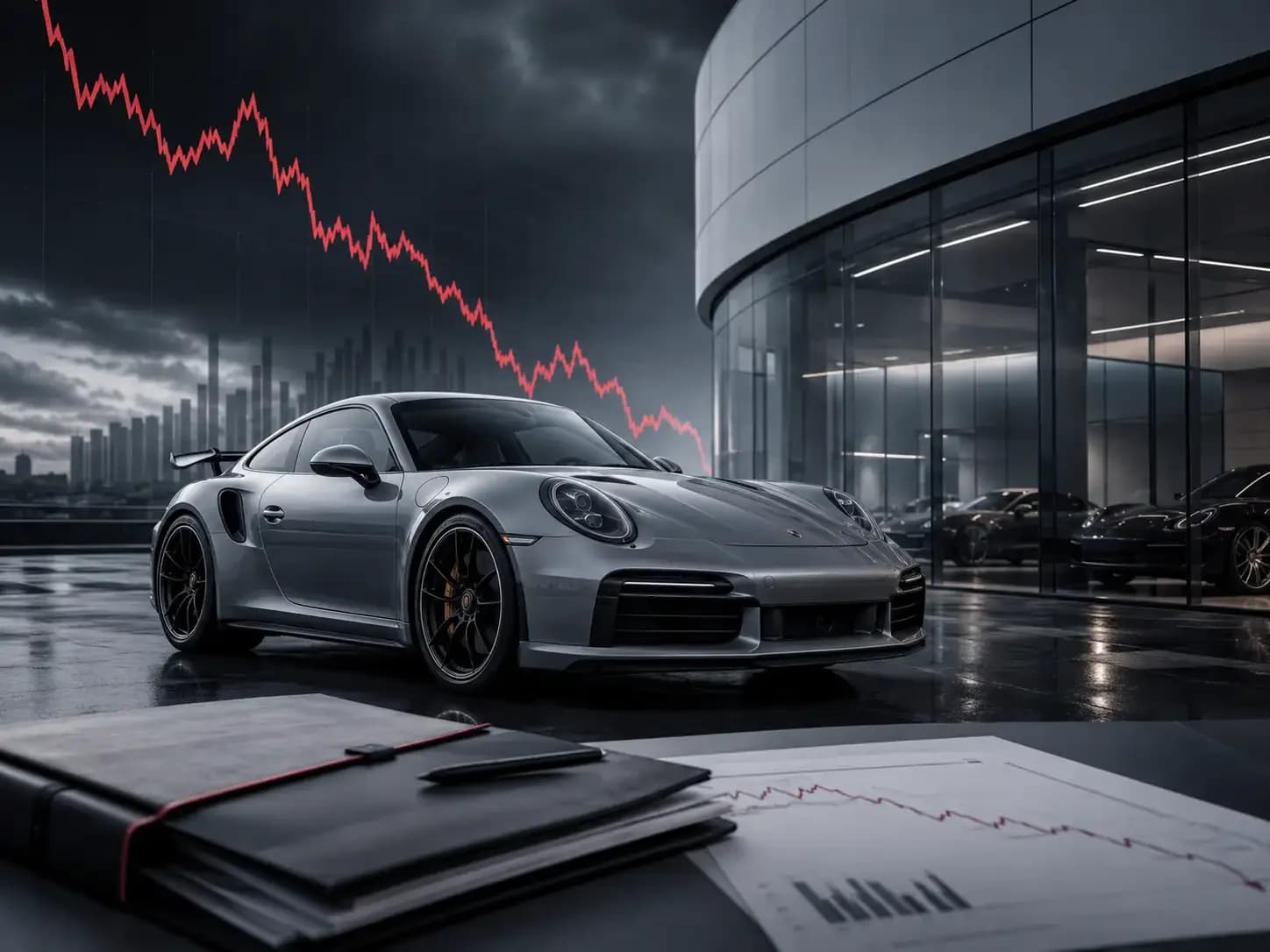
According to reports from Associated Press, Volkswagen posted a 5.8 billion euro ($6.5 billion) after-tax loss for the July-September quarter, highlighting significant financial challenges facing the German automaker. The company's sales revenue decreased 6.3% to 80.3 billion euros compared to the same quarter in the previous year, reflecting weakening demand across key markets. The results announced Thursday underline the challenges facing the company as it seeks to cut costs through a comprehensive restructuring program.
As reported by Associated Press, the substantial loss was primarily driven by large one-time charges that piled on top of existing operational challenges. The company's earnings were significantly impacted by a 6.4 billion euro reduction to account for the fallen value of Volkswagen's stake in luxury carmaker Porsche. Chief Financial Officer Arno Antlitz emphasized that the company's results so far this year mean "we cannot afford to lose any time and must act quickly and decisively."
According to Associated Press, China was once a key profit centre for Volkswagen, but the company now faces declining demand for cars there alongside fierce price competition from local carmakers. Additionally, US tariffs imposed by President Donald Trump have weighed on profits, while the increasing share of electric vehicles, which earn less per vehicle than internal combustion models, has further impacted profitability. These market pressures have contributed to the company's current financial difficulties and prompted the urgent restructuring measures.
As reported by Associated Press, the company is implementing a comprehensive restructuring program that could result in the loss of up to 100,000 jobs and the closure of four German plants. This significant restructuring initiative reflects the company's urgent need to reduce costs and streamline operations in response to the challenging market conditions affecting its core business segments. The restructuring measures are designed to address the company's current financial difficulties and position it for future growth in an increasingly competitive automotive landscape.