US Treasury yields are falling sharply despite inflation data that came in above expectations, creating what analysts describe as a contrarian move in the bond market. US inflation rose to 3.7% year-on-year in September, its highest reading since May, with monthly inflation reaching 0.6%, the largest increase since May. According to Investing.com India, core inflation climbed to 2.6% from 2.4% in August, above expectations, while headline inflation was driven by higher gasoline and diesel prices, airfares, and used-car prices. The data shows households are clearly being squeezed as prices have risen 3.7% over the past twelve months, ahead of average wage growth of 3%. This inflationary pressure comes just days after The Economist ran a cover story questioning whether the bond market was about to blow up, with magazine covers historically proving to be strong contrarian signals for investors.
US Treasury yields rose significantly as a rebound in technology shares sapped haven demand for government debt. According to Bloomberg, the 10-year yield rose more than six basis points to 5.14%, with yields across maturities lifting by six to eight basis points as traders rebuilt wagers on Federal Reserve interest-rate hikes next year. The Nasdaq 100 Index climbed 1.2% Monday as the artificial-intelligence trade resurfaced, following a rout that saw the gauge suffer the steepest drop in more than a year. As reported by Bloomberg, market positioning remains quite tenuous given the recent whipsaw selloff and rally, which is keeping a lot of investors away, exacerbating the day-to-day moves. The bond market's recovery comes as concerns mount over the outlook for leading artificial intelligence firms and their potential impact on the broader economy, though recent developments suggest some easing of these fears.
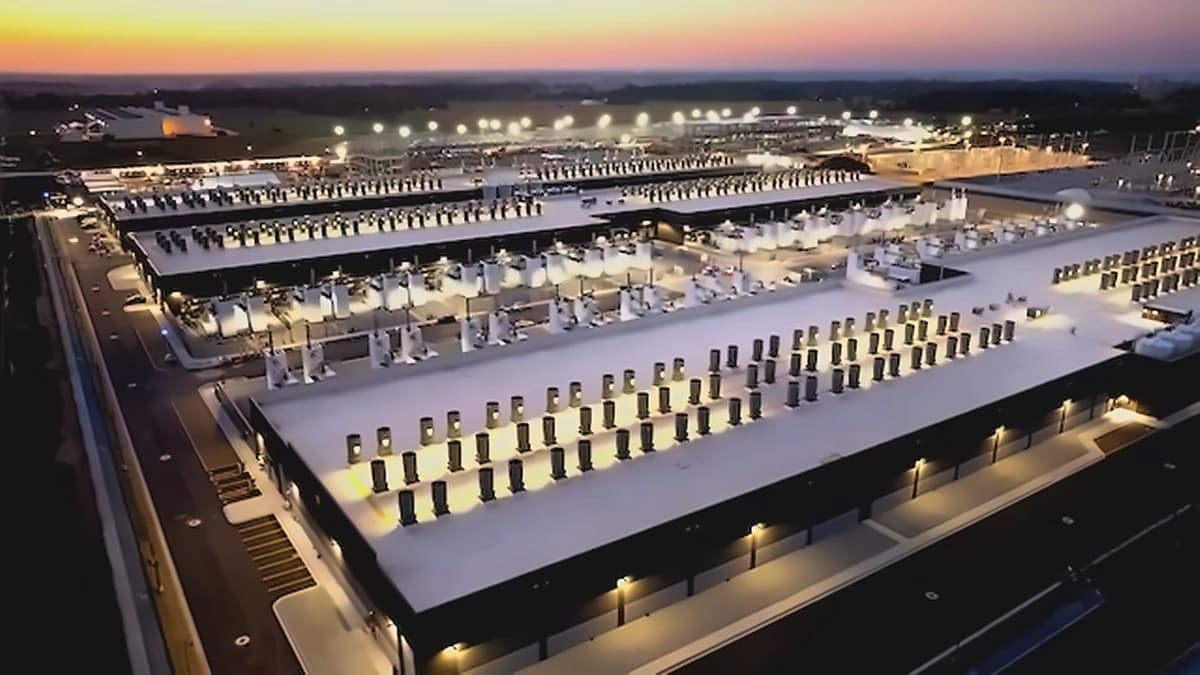
The bond market faces unprecedented pressure from massive AI infrastructure spending, with hyperscaler debt issuance dwarfing emerging market activity since July 1st. According to Bloomberg, Amazon and Alphabet have raised around $126 billion this year, compared with roughly $41 billion for emerging-market sovereigns. This represents a dramatic shift in global capital markets, with two hyperscalers alone issuing more debt than all emerging-market governments combined in the second half of the year. The surge in AI infrastructure spending is part of a broader technological transformation, with AI costs falling 54 times faster than electricity, declining at a pace that took other technologies decades to achieve. This rapid cost reduction is creating significant economic consequences, as intelligence gets cheaper, more tasks become worth automating, and surging usage does not necessarily translate into higher profits for providers.
The latest economic data has kept financial markets expecting the Federal Reserve to leave interest rates unchanged at its next meeting, with expectations for a rate hike showing some moderation. According to The Economic Times, expectations for a rate hike of at least 25 basis points from the Federal Reserve at its policy meeting next week stand at 17.2%, down from 21% a week ago and 57.6% a month earlier. Bank of America US economist Aditya Bhave said in a note on Monday that the firm is keeping its call for a hike at the central bank's upcoming meeting in light of the recent inflation data, albeit "with low conviction." More supply will come to the market this week when Treasury auctions $13 billion in 20-year bonds on Wednesday and $26 billion in 5-year U.S. Treasury Inflation-Protected Securities (TIPS) on Thursday. The two-year US Treasury yield, which typically moves in step with interest rate expectations for the Fed, rose 1.3 basis points to 4.749%. However, Bloomberg reports that bond strategists say short-term Treasuries could potentially rally as the market continues to price in about a 20% chance that the central bank will hike rates on Oct. 28, creating scope for Treasury gains if there's no action.
The treasury market faced additional pressure from new corporate bond offerings that diverted investor interest. According to Bloomberg, there's an unexpected debt offering from Walmart Inc. as well as Kimberly-Clark Corp.'s anticipated bond sale to finance its Kenvue Inc. acquisition scheduled for Monday. Kimberly-Clark needs nearly $7 billion in cash for its deal, while the world's largest retailer seeks funds to expand. US rate strategists at UBS raised their year-end target for the 10-year yield to 5.2% based on "a more hawkish Fed path, limited near-term inflation progress, and a higher assumed oil-price trajectory." Meanwhile, treasuries faced an additional headwind from rising yields in most European government debt markets, with French yields leading gains in the region, with the 10-year climbing 14 basis points to nearly 4.95%, the highest level since 2002.