The US Treasury announced on Wednesday that it will hold coupon issuance and floating-rate note issuance steady for at least the next several quarters, aiming to alleviate concerns about yield increases and inflation. According to The Economic Times, this strategy comes as yields have climbed recently due to a renewed spike in oil prices that reignited inflation concerns, while confusion over Federal Reserve policy added further upward pressure. The move is likely to ease fears that an earlier-than-expected increase in longer-dated debt auctions could add pressure to yields already trading near multi-year highs.
The US Treasury has significantly increased its third-quarter borrowing expectations, projecting $739 billion in borrowing for Q3, representing an $87 billion increase from its May estimate when excluding the benefit of a higher-than-assumed starting cash balance. According to the Treasury's quarterly refunding statement, this revision reflects lower-than-expected cash flows that were only partly offset by a stronger opening cash balance. The department expects to end September with a cash balance of $950 billion, up from the previous estimate. The Treasury anticipates the cash balance in the Treasury General Account could peak at around $1.05 trillion in late October.
For the fourth quarter, the Treasury projects borrowing of $628 billion, based on an estimated year-end cash balance of $850 billion. The department's second-quarter performance showed borrowing of $190 billion, ending June with a cash balance of $919 billion - $1 billion above its May forecast. Adjusting for the higher-than-assumed cash balance, second-quarter borrowing was $18 billion lower than previously projected, as reported by Reuters. The Treasury expects to keep current benchmark bill auction sizes unchanged in the coming weeks, while potentially issuing a short-dated cash management bill to address funding needs around the end of August.
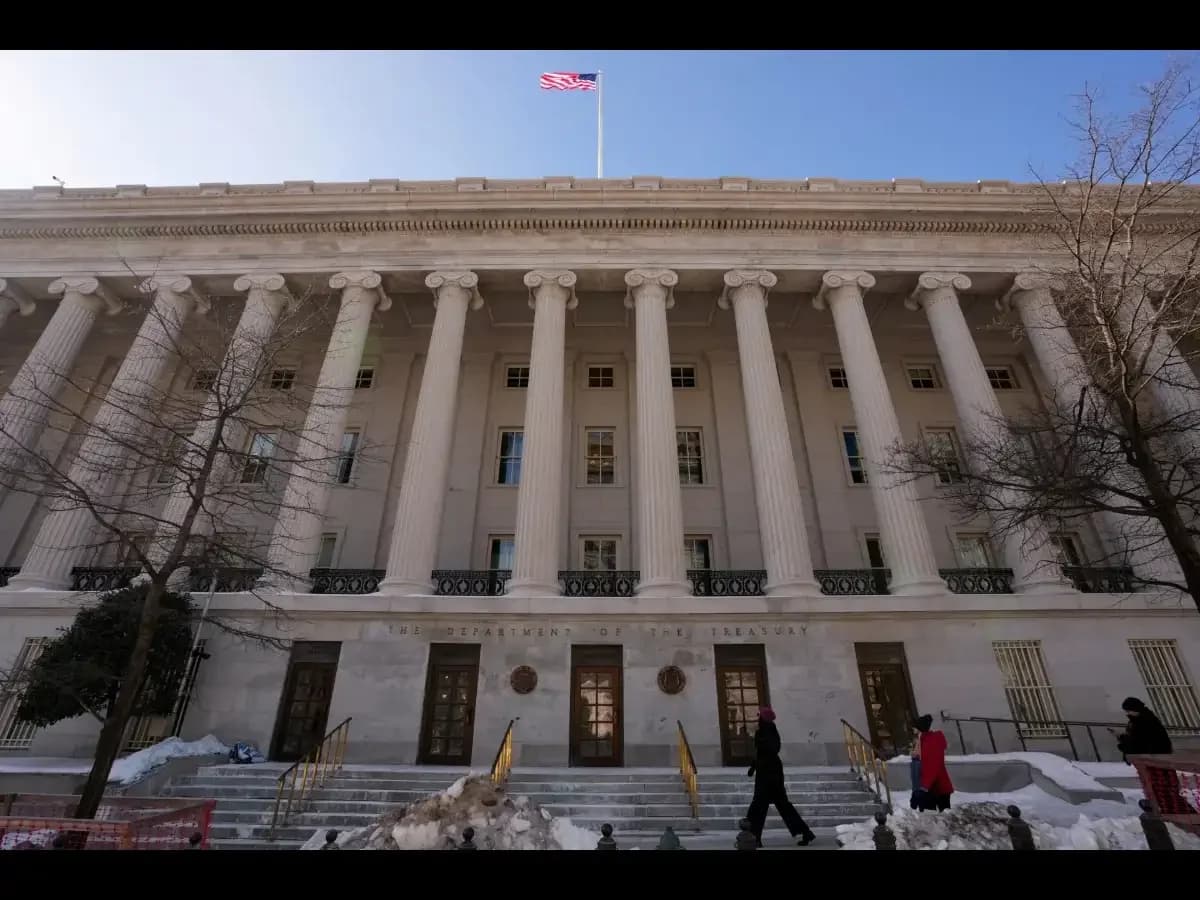
Investors are now awaiting the Treasury's quarterly refunding announcement on Wednesday, when the department will outline its debt issuance plans, including the size of upcoming auctions. The Treasury announced it will sell $125 billion next week as part of its quarterly refunding, which will include $58 billion in 3-year notes, $42 billion in 10-year notes and $25 billion in 30-year bonds. Market participants will closely watch for any indication that the Treasury intends to increase issuance of longer-dated debt in the coming quarters. The refunding announcement comes at a time when bond markets remain on edge, with oil prices surging as the war between Israel and Iran re-intensifies, deepening concerns about already-elevated inflation and pushing longer-dated Treasury yields to multi-year highs.
Against the backdrop of nervous bond markets and elevated inflation concerns, analysts expect the Treasury to maintain a steady and predictable issuance strategy to avoid adding volatility to an already volatile market environment. The higher borrowing estimates reflect the Treasury's need to manage cash flows amid challenging market conditions. The government has increasingly relied on Treasury bills, which still elicit strong demand, to meet its borrowing needs rather than issuing more longer-dated debt. As per BCA Research, the only real check on this reliance would be pushback from the market, specifically if T-bill yields began rising well above other money-market rates of similar maturity, signaling oversupply.