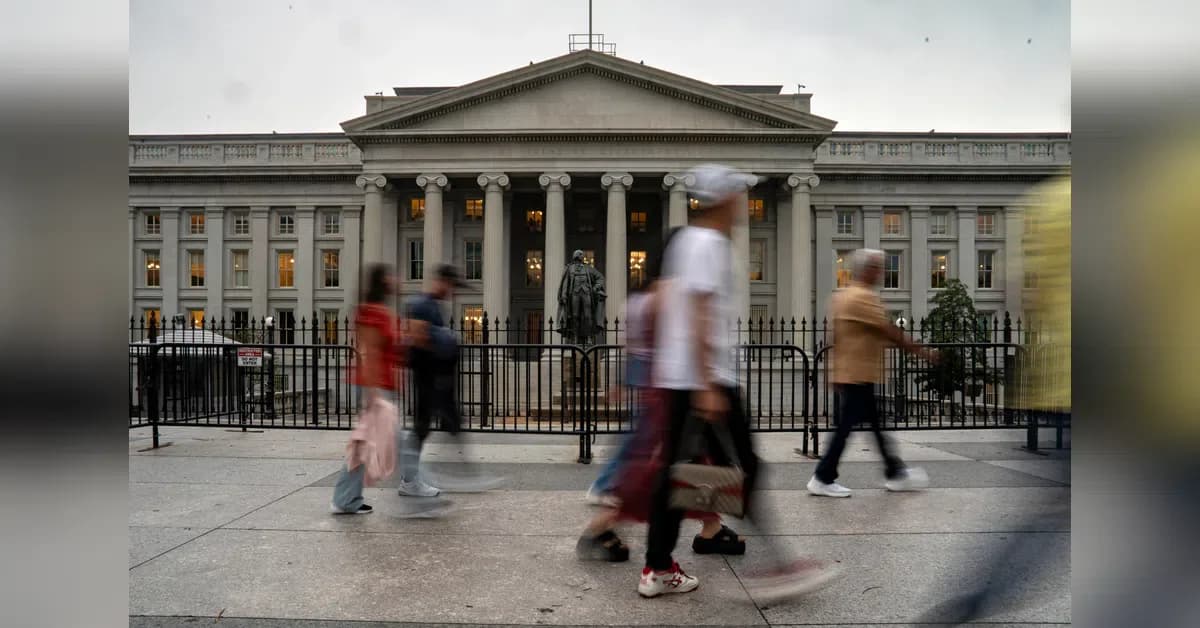
The Trump administration has transferred management of the $1.7 trillion US student loan system to the Treasury Department, marking a significant shift in federal loan oversight. According to reports from Mint, this represents the Treasury's first major test in reshaping the country's vast student loan system, starting with the most troubled segment—defaulted loans. Under the new agreement, Treasury will take over management of roughly $180 billion in overdue debt affecting more than 9 million borrowers. The shift, announced in late April 2026, marks the beginning of a three-phase transition designed to leverage the financial agency's superior data systems and talent to recover defaulted loans and streamline borrower support.
Under the new interagency agreement, the Treasury will gain authority to collect on defaulted debt through involuntary means such as tax refund offsets and Social Security benefit withholding. However, officials have clarified that automatic wage garnishment from paychecks is not currently being planned, relying instead on the robust data-sharing frameworks already in place between the agencies. The Department of Education has confirmed that broad loan forgiveness is not part of the current strategy, signaling a hard pivot toward aggressive collection and repayment enforcement. With collections resuming this summer for those in default, millions of Americans face a sudden change in their financial obligations, while the broader higher education sector grapples with new accountability rules.
Officials argue the Treasury Department is better equipped to manage overdue loans due to its experience in collecting federal debts, as reported by Mint. However, concerns have emerged about Treasury's limited experience in offering flexible repayment solutions that help borrowers recover financially and repair their credit. Education Undersecretary Nicholas Kent acknowledged the challenge, stating that while Treasury is skilled in enforcement tools like wage garnishment, the goal is not to rely on those measures as a first step. The administration aims to utilize existing tax information and financial data infrastructure to automate loan-rehabilitation applications and provide prospective students with clearer earnings data.
Starting July 1, 2026, the administration will enforce provisions of the 'One Big, Beautiful Bill Act,' which ends payment pauses that have been in effect since March 2020. Borrowers who have not made payments for over 270 days will immediately face the resumption of collection activities. For students returning to school after July 1, access to repayment options is limited to the Tiered Standard Plan and the new Repayment Assistance Plan (RAP). Existing borrowers with loans disbursed before July 1 retain access to a broader range of plans, including Standard, Graduated, Extended, IBR, ICR, and PAYE. The discontinuation of the SAVE plan removes a critical safety net, with 7.2 million ex-SAVE plan users must switch to the new RAP, which sets monthly payments between 1% and 10% of earnings with a $10 minimum.
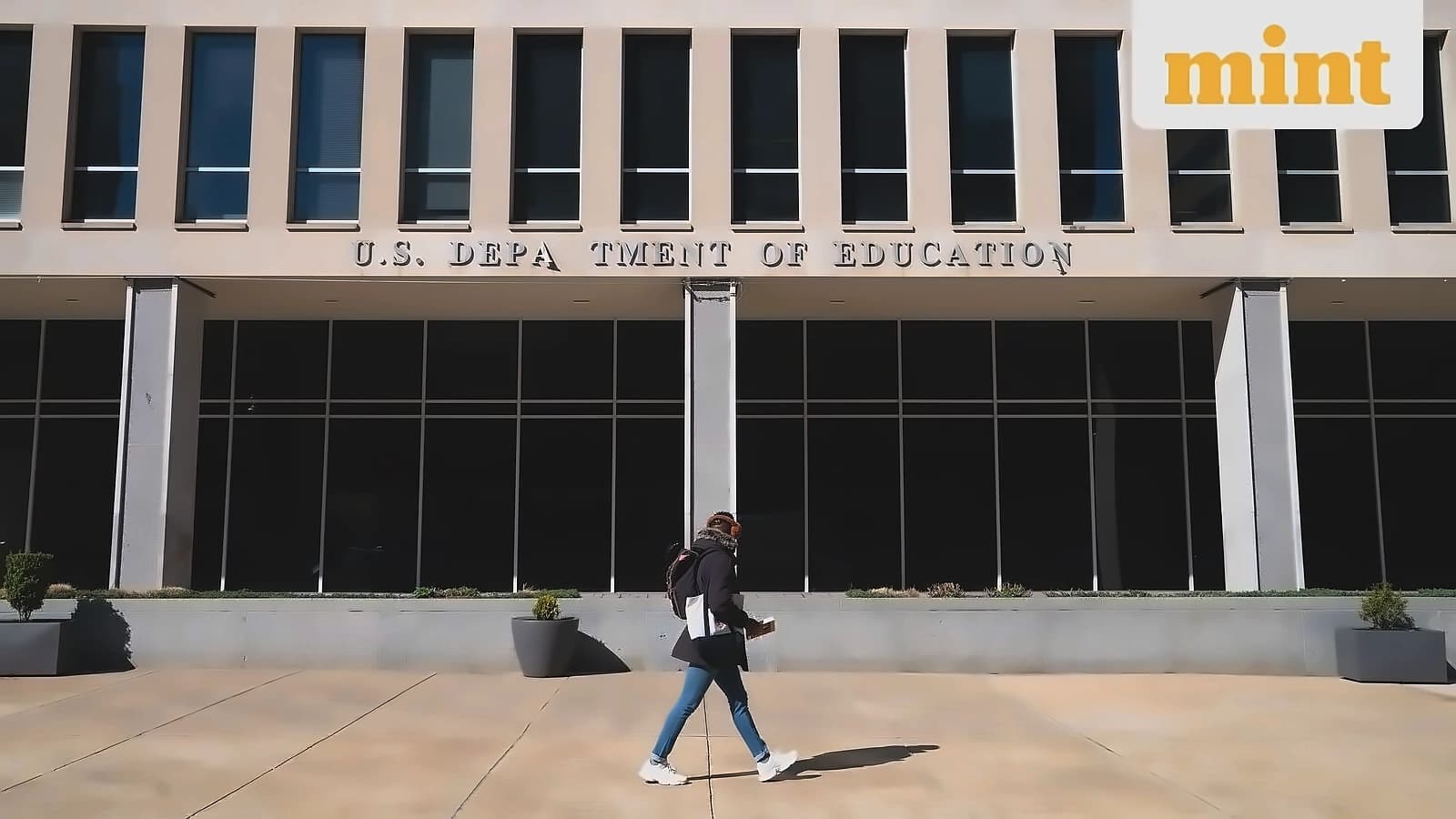
The Trump Administration is pursuing incremental changes through inter-agency agreements while only Congress can formally dismantle the Education Department. As reported by Mint, Education Department spokesperson Ellen Keast stated that the Trump Administration is committed to getting the system in better shape by entrusting the experts at Treasury to provide better oversight. However, critics argue that the administration is using these interagency agreements to dismantle the Department of Education without the authority granted by Congress, with union representatives and legal experts raising concerns that Education Secretary Linda McMahon lacks the statutory power to execute such sweeping transfers. Despite these legal challenges, the administration is proceeding with the transfer, citing the need to overhaul a system that has failed to prevent defaults or provide adequate support for borrowers.