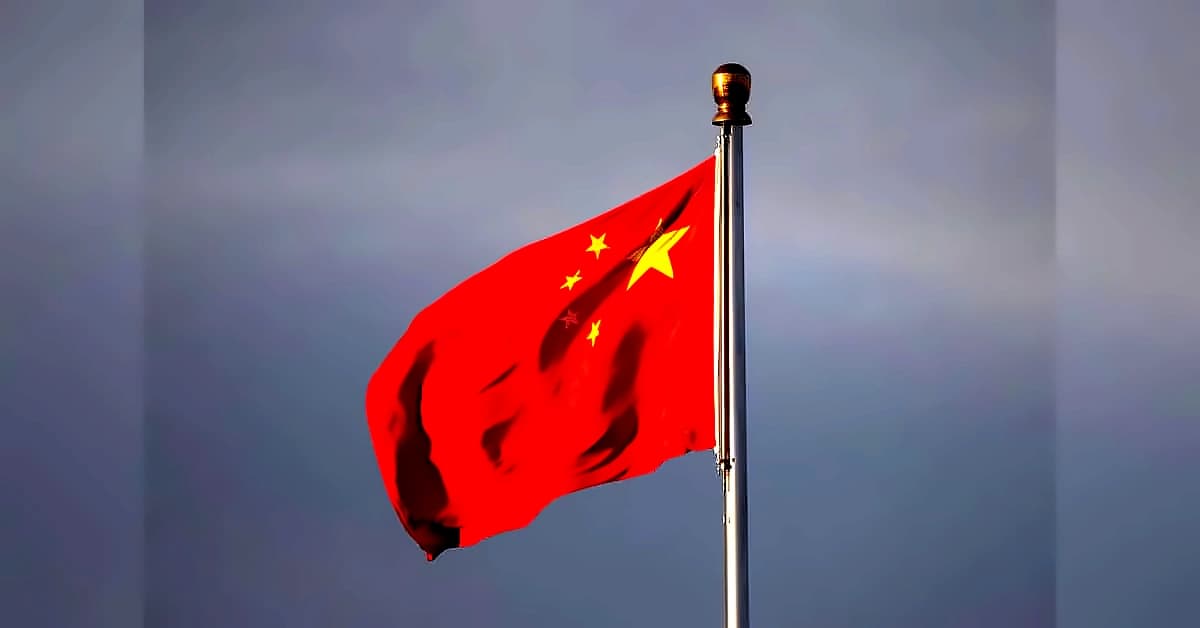
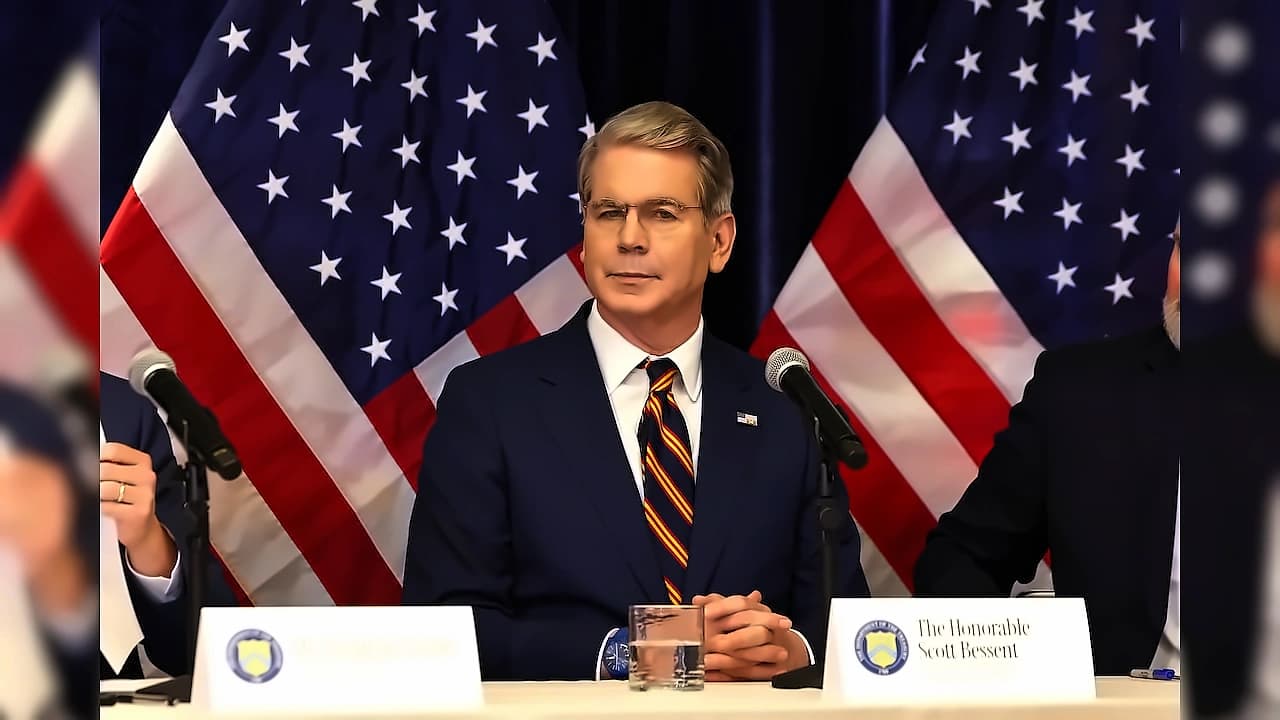
The United States on Friday partially restored Hong Kong's special legal status that was revoked by President Donald Trump in 2020, marking a significant shift in US policy toward the financial hub. The US Treasury Department announced that it allowed the expiration of Executive Order 13936 on July 14, 2020, which had been extended annually for the past five years. The July 14, 2020 order declared a national emergency over China's security crackdown on Hong Kong, imposing sanctions on individuals associated with it and suspending special economic and trade privileges. According to the Treasury, the action does not affect restrictions under the Hong Kong Human Rights and Democracy Act of 2019 nor the Hong Kong Autonomy Act of 2020, with sanctions remaining on 38 of 49 people affected by the executive order.
Before 2020, Hong Kong enjoyed a separate economic and trade status from mainland China under US law, based on the principle that Hong Kong remained a separate customs territory with a high degree of autonomy following its 1997 handover from Britain to China. The special status allowed Hong Kong to receive preferential treatment in areas such as export controls, customs and trade regulations, which differed from those applied to mainland China. The Trump administration revoked that status in response to Beijing's national security law, arguing that Hong Kong was no longer sufficiently autonomous from China. The reported decision to let the declaration lapse would mark a significant reversal and comes after recent trade talks between Washington and Beijing that also produced tariff reductions. The US has treated Hong Kong the same as China on tariffs and export controls since 2020, but it was not immediately clear whether the order's expiration would affect duties imposed by Trump since he returned to office in January 2025.
China's Ministry of Commerce (MOFCOM) has welcomed the US decision as "a more positive direction" for US-China relations, with the ministry stating that the US adjustment of its Hong Kong policy "also aligns with the widespread expectations of the international community." MOFCOM spokesperson emphasized that maintaining Hong Kong's prosperity and stability serves the common interests of both China and the US, and urged the United States to respect China's sovereignty and the rule of law in Hong Kong, restore and strengthen normal trade and economic exchanges with the city, and help improve China-US relations. The ministry noted that the US adjustment of its Hong Kong policy in a positive direction would also meet the expectations of the international community.
If the policy change is formally implemented, Hong Kong could once again receive preferential treatment under US export control and trade rules instead of being treated the same as mainland China. Businesses operating in the financial hub could benefit from easier access to certain US technologies and trade arrangements that were restricted after 2020. The Hong Kong government, which is selected by a pro-Beijing committee, also welcomed the move to restore it, with the government noting the positive shift in the U.S. policy toward the city. The United States had begun eliminating Hong Kong's special status in June 2020, halting defense exports and restricting the territory's access to high-technology products as China prepared to enact the security legislation. The Treasury spokesperson explained that the non-renewal is consistent with sanctions modernization efforts that streamline sanctions for greater efficiency and effectiveness, including by ensuring our sanctions are not duplicative.