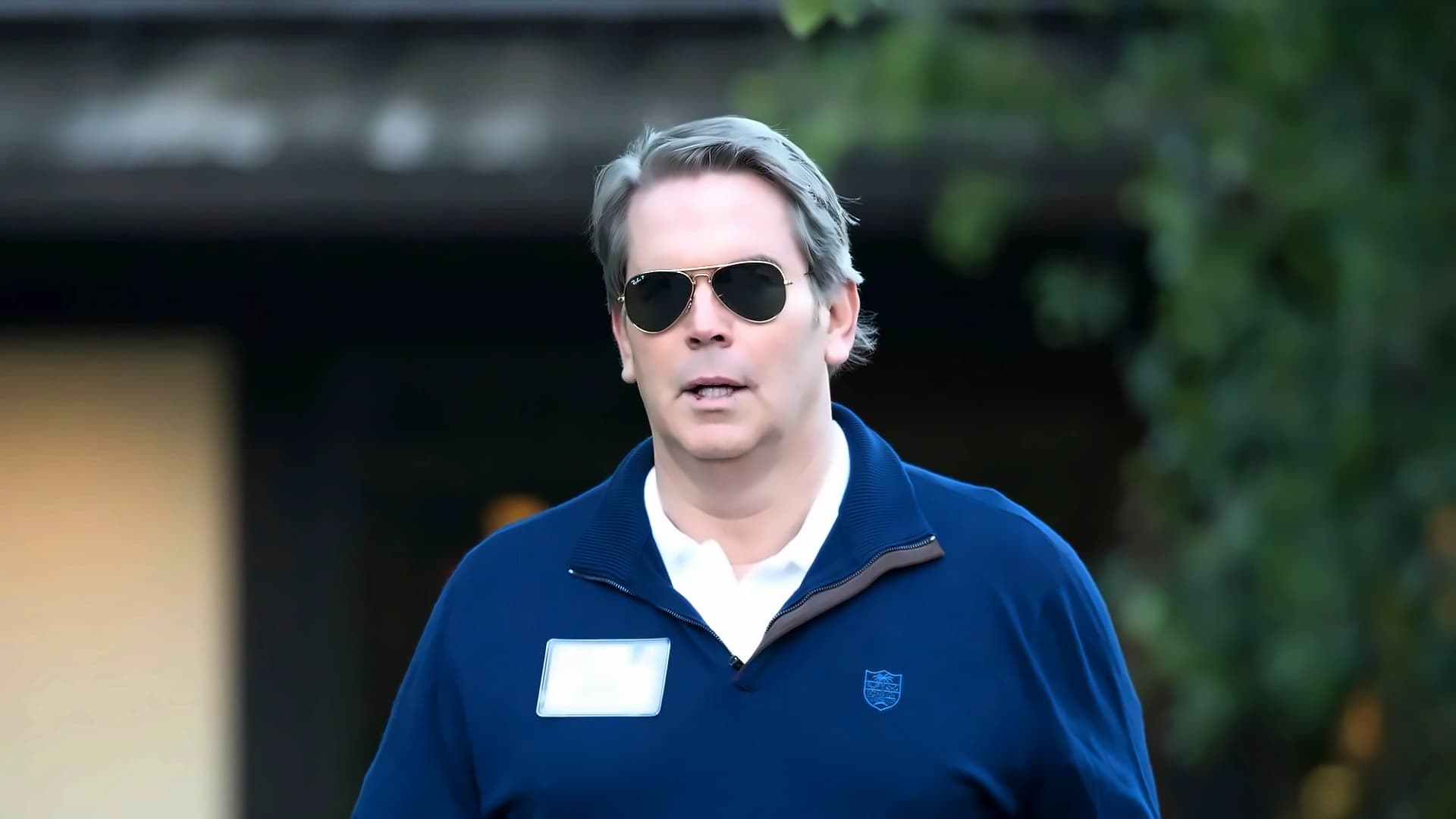
President Donald Trump confirmed on Friday that he did not direct Treasury Secretary Scott Bessent to intervene in the bond market, stating "No, not at all" when asked if he influenced the decision. Speaking to reporters, Trump said "He's a very capable man. He wanted to do it. He's very good at it. He did that, yeah." The president emphasized that Bessent acted on his own authority based on his understanding of the issues, with the Treasury chief being "very good at it." This confirmation comes after Bessent made the surprise announcement on Wednesday that the government would spend double the expected amount on bond buybacks, followed by his Thursday statement that the government could further increase its Treasury repurchases. Bessent, a former hedge fund manager with extensive experience in sovereign debt and currency markets, has been guiding the intervention based on his grasp of existing economic conditions.
The Treasury's intervention created significant but short-lived market movements, with long-term Treasury yields recently spiking on concerns about the U.S. government's rising debt, inflation that remains stubbornly above the Fed's 2% target and implications for investment flows. According to The Economic Times, by Friday, however, the declines in bond yields triggered by Bessent's announcement had largely been unwound. The 10-year Treasury yield fell 0.8 basis point to 4.644% and the 30-year yield down 0.6 basis point at 5.188% on Wednesday, but US 30-year bonds erased gains from the surprise buyback announcement by Thursday. As per Investing.com India, the first intervention barely survived 24 hours before the 10-year was back near 4.70% and the 30-year was again pressing around 5.25%, showing that markets are still trading the fiscal and term-premium problem regardless of Treasury's preferred focus on fundamentals. The climb in US Treasury yields has increased the cost of servicing the national debt, which hit a record $40 trillion this week.
Major U.S. stock indexes closed higher Wednesday following three consecutive days of declines, with the S&P 500 advancing 0.21% to close at 7,707.98, the Nasdaq Composite gaining 0.16% to 26,331.09, and the Dow Jones Industrial Average adding 119.65 points, or 0.22%, to settle at 53,463.05. According to Markets News, the indexes finished modestly higher after backing off earlier highs, breaking a three-day losing streak. Seven of the 11 sectors are in the green with less than an hour to go in the session, demonstrating broad-based market recovery. The S&P 500 was up 0.7% at its peak, while the Nasdaq was higher by 0.6%, before the rally lost ground as the session progressed. U.S. futures for the Dow Jones Industrial Average were near flat, while S&P 500 futures also were little changed and Nasdaq 100 futures ticked 0.1% lower. The market rally came after the Treasury Department announced it would boost its buyback of longer-term notes to increase liquidity, providing relief from the previous week's bond market volatility.
Treasury Secretary Scott Bessent signaled a stronger fiscal consolidation push to curb the deficit and reduce borrowing costs, marking a significant shift in the administration's approach. Speaking on CNBC, Bessent said "All we're trying to do is get people to focus on the fundamentals and not trade the headlines during a quiet period in a thin market." He emphasized that "We are trying to keep the market in equilibrium" by signaling the government's commitment to fiscal responsibility. The Trump administration is planning to announce "this week, or beginning of next week" an "increased focus on fiscal consolidation," with the government looking at both revenues and costs. When asked if this administration has reached a peak for the deficit, Bessent said there is a "very good chance we have," adding that the government could save "several hundred billion dollars." This represents a clear pivot from the previous approach, as Bessent explained that "part of it is signaling here, and to show that we believe that the yields don't reflect the underlying fundamentals." The climb in US Treasury yields has increased the cost of servicing the national debt, which hit a record $40 trillion this week.
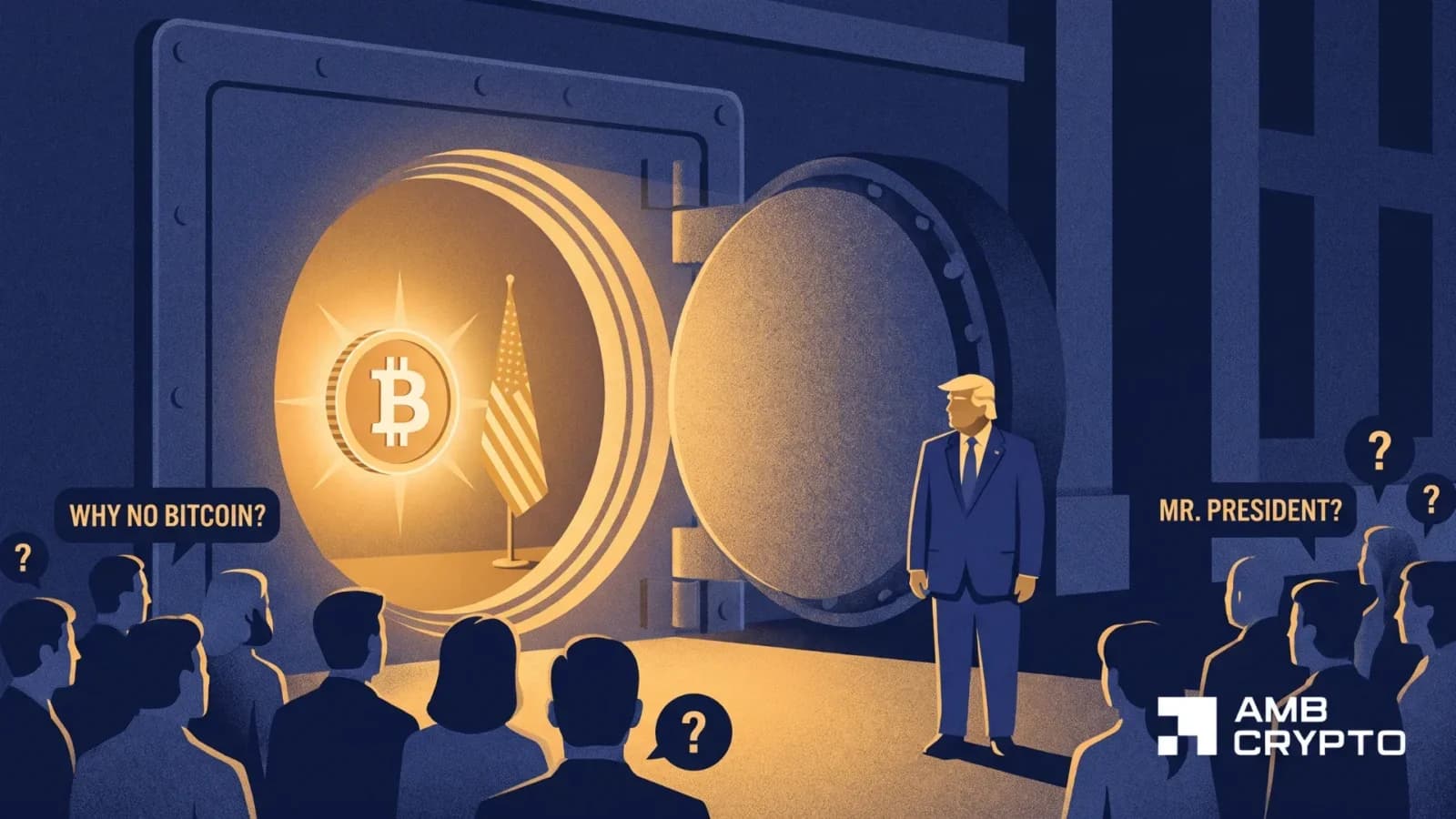
Bitcoin's surge to near $72,712 represents its highest level since June, with the cryptocurrency gaining 5% over the past 24 hours according to BeInCrypto data. The rally was significantly boosted by Treasury Secretary Bessent's confirmation that buybacks could exceed the $4 billion per operation ceiling, as reported by CoinDesk. Bessent left the door open on size, declining to attach a specific number while noting the eventual size will depend on market conditions. The 30-year yield had touched its highest level since 2007 before Wednesday's announcement pulled it sharply lower, and Treasury's buyback move eased broader financial conditions just as risk appetite was already improving. Lower long-duration yields reduce competition for investor capital, a dynamic that tends to support assets like Bitcoin and gold alike, as gold's own rally this week showed. Bessent also pointed to the U.S.-Iran conflict as a temporary distortion on yields, saying markets would normalize once that situation resolves. His comments on Thursday briefly pulled yields lower again, though the effect faded and the 10-year yield ended the session higher. The sustainability of Bitcoin's rally will likely depend on how large future buyback operations get and whether yields stay contained once the enlarged buybacks begin on September 9.
Corporate earnings showed mixed results with Viking Holdings posting stronger-than-expected second-quarter results, reporting adjusted earnings of $1.31 per share on revenue that increased more than 16% year-over-year to $2.19 billion. However, Viking stock is down 4% this afternoon after CEO Leah Talactac warned about "low water" in Europe, including the Danube and Rhine rivers, impacting guests on some itineraries this season. La-Z-Boy shares are sinking 18% Wednesday after reporting an unexpected fiscal 2027 first-quarter net loss and year-over-year sales decline. On the positive side, Modern shares more than doubled for its best day on record, soaring about 177% after an experimental skin cancer vaccine developed with Merck showed success in a late-stage trial, with Merck shares jumping more than 12% supporting the Dow. Marvell Technology gained almost 10% after announcing an agreement with Google related to its tensor processing units and issuing Alphabet a warrant to buy up to $12.2 billion worth of Marvell common stock. However, other tech stocks slid after The Wall Street Journal reported that OpenAI disclosed second-quarter results that disappointed investors, with Broadcom declining more than 4%, Advanced Micro Devices shedding nearly 4%, and the iShares AI Innovation and Tech Active ETF (BAI) falling roughly 2%. The cryptocurrency market showed strength with bitcoin up more than 5% in the last 24 hours, breaking above $68,000 to levels not seen since early June.