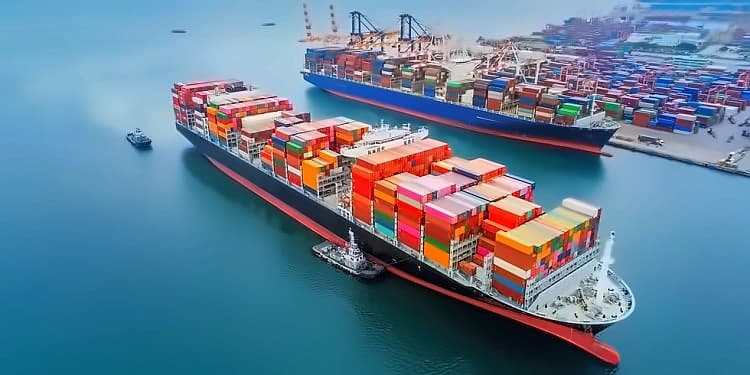
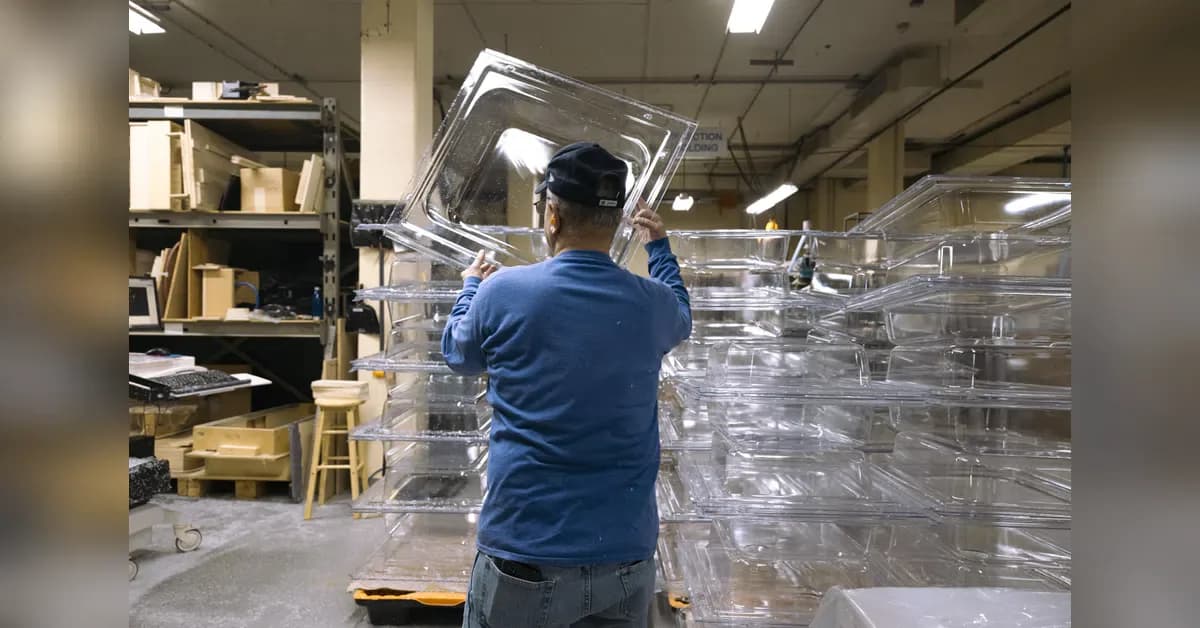
US officials are actively working to strengthen domestic manufacturing supply chains as foreign investment rises under President Donald Trump's tariff and deregulation policies. According to reports from Reuters, Assistant Secretary of the Treasury Chris Pilkerton and Small Business Administrator Kelly Loeffler told Reuters that President Trump's tariffs on imports and efforts to reduce regulation were encouraging overseas companies to invest in US manufacturing. However, officials emphasized that stronger investment would need to be matched by reliable access to components and suppliers. Pilkerton notes that concern over supply chain gaps is shaping a new Strategic Vendor Program designed to strengthen domestic supply chains and support the long-term growth of foreign-invested companies in the United States. During a recent visit to a historic shipyard in Philadelphia, officials discussed the necessity of ensuring that manufacturing components remain readily available to support the growing demand. As Pilkerton told Reuters, "It's one thing to speak about supply chains at a high level. I think everybody wants it, but you know, you need to find the parts."
The initiative gained significant momentum with Hanwha Philly Shipyard's $5 billion investment commitment over the coming years at the historic Philadelphia shipyard acquired by South Korea's Hanwha Ocean and Hanwha Group in December 2024. As reported by Reuters, Hanwha Philly Shipyard CEO David Kim stated that the investment could increase employment at the shipyard to about 10,000 workers from roughly 2,000 currently. The company has already invested more than $200 million to upgrade the shipyard's workforce, capabilities and production capacity. Kim explains that each ship depends on more than 1,000 suppliers, with about two-thirds currently based in the US, and that share could rise further as the yard accelerates production and adopts AI-based shipbuilding technologies already used in South Korea. The shipyard relies on more than 1,000 suppliers to build each large vessel, with roughly two-thirds currently based in the United States, Kim said at a separate news conference.
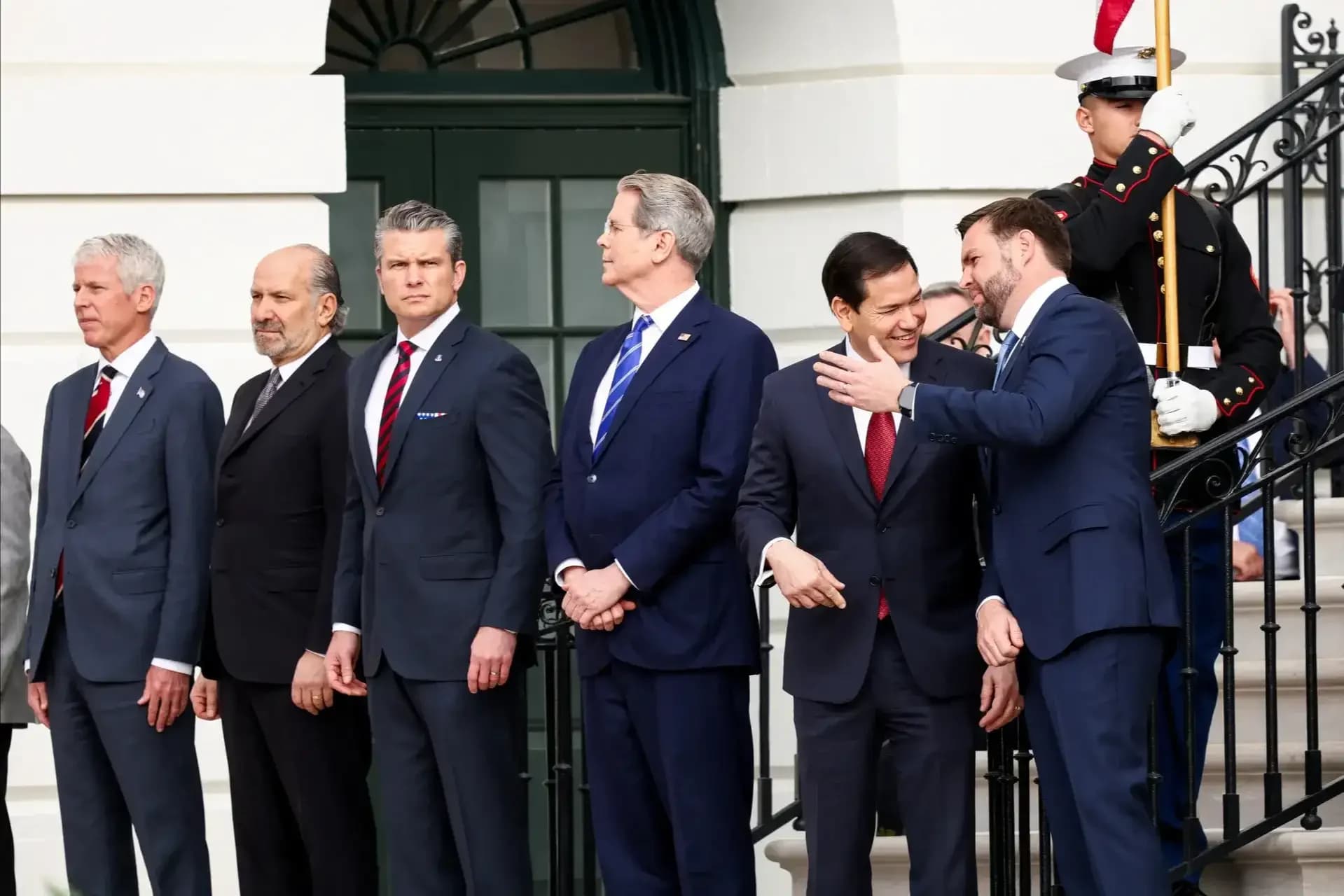
U.S. maritime and trade officials have intensified coordination with international investors to pinpoint critical gaps in the nation's manufacturing and logistics supply chains. Representatives from the U.S. Department of Transportation's Maritime Administration (MARAD) and the Federal Maritime Commission (FMC) emphasized the need for targeted interventions to ensure that increased demand—driven by global trade shifts and infrastructure modernization—does not outpace domestic capacity. Key focus areas include shipbuilding, port infrastructure, and the production of critical maritime components, where supply chain bottlenecks have previously disrupted operations. Officials highlighted that while large-scale investments are essential, the sustainability of the maritime supply chain depends on the participation of smaller businesses. Programs are being developed to provide small- and medium-sized enterprises (SMEs) with access to capital, technical expertise, and export facilitation tools, enabling them to scale operations efficiently. These measures are designed to prevent over-reliance on foreign suppliers for essential goods, such as vessel parts, dredging equipment, and digital navigation systems.
Pilkerton is launching a new Strategic Vendor Program designed to strengthen domestic supply chains and support the long-term growth of foreign-invested companies in the United States. According to Reuters, the initiative remains in a pilot phase, and detailed guidelines on how suppliers will be selected have not yet been released. The program builds on Pilkerton's previous experience as acting head of the Small Business Administration during Trump's first term. Pilkerton cited a similar issue at a quantum refrigeration company in Syracuse, New York, acquired by Finland's Bluefors, where executives said they could not find a domestic supplier for dry compressors. The collaboration with foreign investors aims to help small- and medium-sized businesses scale up efficiently to meet the growing demand. U.S. officials are working with foreign investors to identify weaknesses in domestic manufacturing supply chains and help small and medium-sized businesses expand capacity as investment in U.S. manufacturing increases.
The Small Business Administration provided approximately $3 billion in funding to manufacturers in 2025, including $32 million for shipbuilders, as reported by Reuters. SBA Administrator Kelly Loeffler noted that the funding comes against the backdrop of a long-term decline in American manufacturing, with the United States losing around 90,000 factories and 5 million manufacturing jobs over the past four to five decades. The administration's strategy combines tariffs, deregulation, foreign investment and support for domestic suppliers as it seeks to expand US manufacturing capacity. The effectiveness of that approach will depend in part on whether smaller American manufacturers can scale quickly enough to meet demand generated by the new wave of investment. Loeffler said the challenge now is ensuring that new investment does not result in isolated industrial sites, but instead helps rebuild a broader manufacturing ecosystem. With geopolitical tensions reshaping trade routes and logistics networks, officials stressed the importance of reducing vulnerabilities in sectors where delays could have cascading effects on global shipping.