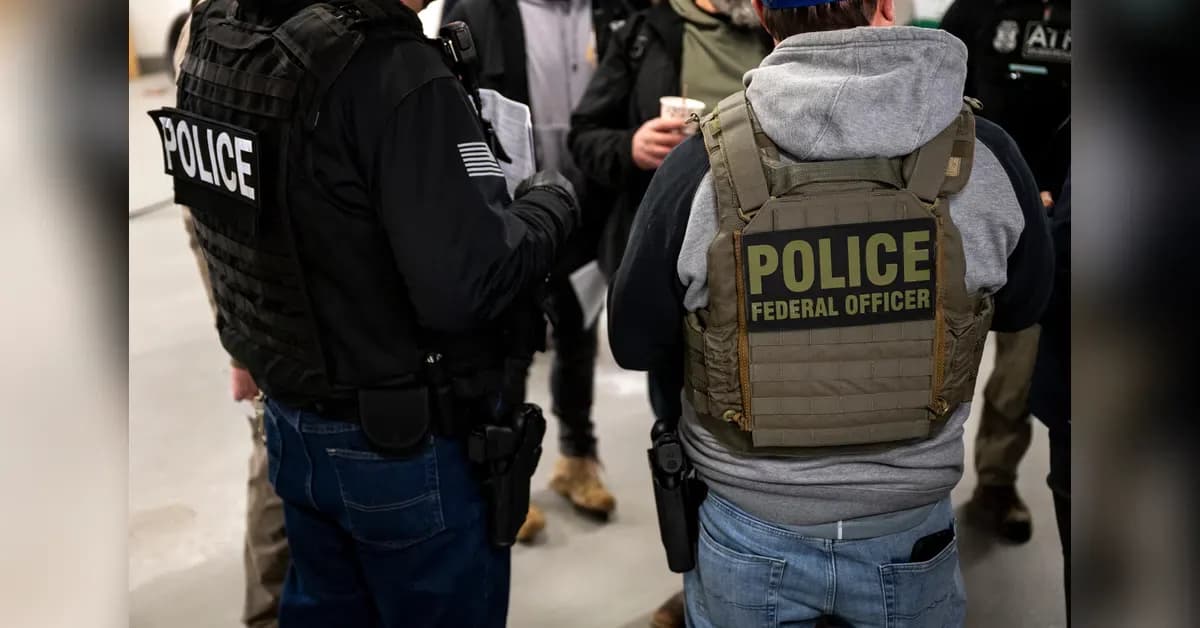
Illegal border crossings from Mexico to the United States rose for the third straight month in April, reaching the highest level in President Donald Trump's second term. According to data from US Customs and Border Protection compiled by Bloomberg, Border Patrol agents made 8,943 arrests along the south-west border in April. While that figure is historically low compared with recent years, it marks an increase of nearly 50% from January when Trump returned to office.
As border arrests reach historic lows, the Trump administration has dramatically accelerated border wall construction, with U.S. Department of Homeland Security waiving cultural and environmental laws to expedite the process. Trump's 'big, beautiful wall' devoted over $46 billion to the effort, with CBP awarding contracts or beginning construction on over 600 miles of new border wall and companion surveillance technology. A double wall is planned or under construction along another 370 miles, with the administration targeting at least 1,400 miles of border coverage.
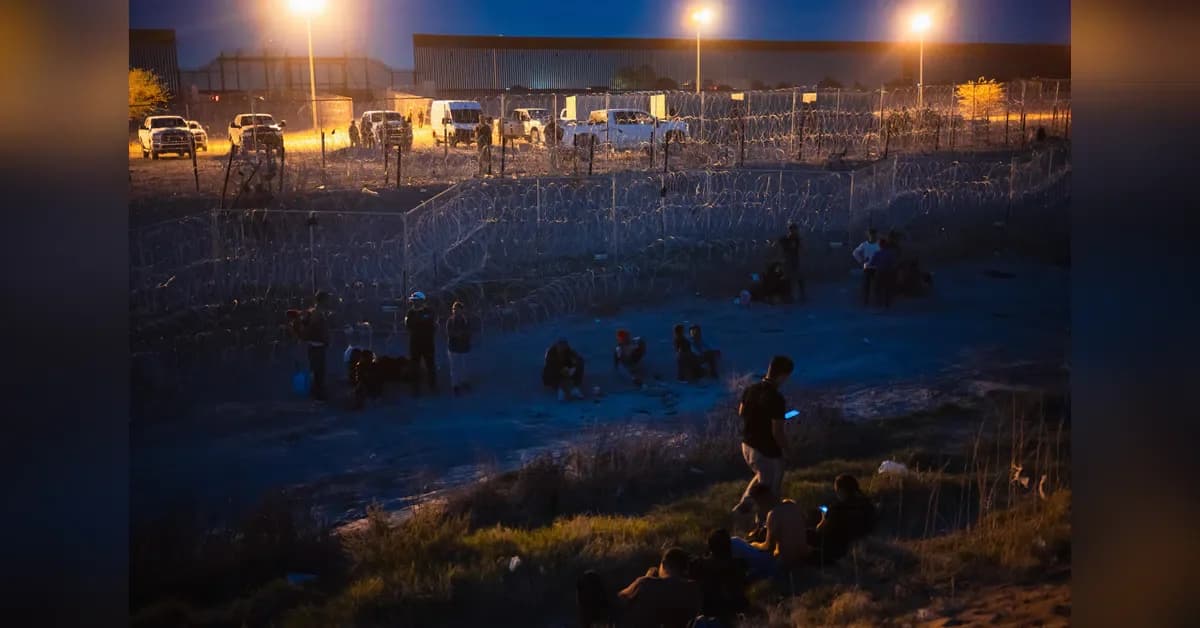
Indigenous leaders across the border region are protesting the destruction of sacred cultural sites during wall construction. In California, U.S. federal contractors have been blasting and bulldozing Kuuchamaa Mountain, a Kumeyaay Nation sacred site that straddles both countries and is considered their healing mountain. Emily Burgueno of the Kumeyaay Nation said, "No one ever consented or supported the use of dynamite on the mountain." In Arizona, contractors carved through a massive 1,000-year-old fish-shaped geoglyph called 'Las Playas Intaglio' on April 23, with Tohono O'odham Chairman Verlon Jose calling it "a devastating and entirely avoidable loss."
The rise in border arrests comes as enforcement priorities have shifted dramatically under the Trump administration. Recent cases demonstrate how ICE arrests in the Kansas City metro have increased at nearly three times the daily rate under Trump compared to Biden years, with enforcement targeting even those with legal status. Officials remain uncertain about what is driving the latest increase in border arrests, with migration patterns becoming increasingly unpredictable as migrants increasingly rely on smugglers and attempt more dangerous routes including remote desert corridors and maritime crossings. Earlier this week, six migrants were found dead inside a train boxcar near Laredo, Texas, highlighting the humanitarian risks of current enforcement strategies.
Beyond cultural sites, the wall construction is raising significant environmental and religious freedom concerns. In New Mexico, CBP is seeking to seize a strip of Mount Cristo Rey owned by the Roman Catholic Church for wall construction, with the Diocese of Las Cruces asking a judge to deny the land transfer as an affront to religious liberties. In western Texas, the federal government notified ranchers of interest in their land containing canyonland pictographs and petroglyphs, though community backlash led to 30-foot wall plans being scrapped for surveillance technology in Big Bend National Park. The Trump administration maintains that barriers are necessary to keep people and drugs from entering illegally, while tribes continue advocating for alternatives that minimize cultural and environmental impact.