The S&P Global US Manufacturing PMI surged to 55.3 in May 2026, marking its strongest expansion since May 2022 and exceeding market expectations of 53.8. According to S&P Global, this represents the fourth consecutive month of expansion for the manufacturing sector, with factory business conditions improving continually since last August. The Manufacturing Output Index rose to 56.2, reaching a 49-month high, while production growth was the fastest since April 2022. Job creation levels were particularly robust, with positions added at a rate not seen since June 2025. The Manufacturing PMI came in above expectations, indicating improved sentiment among managers in the sector.
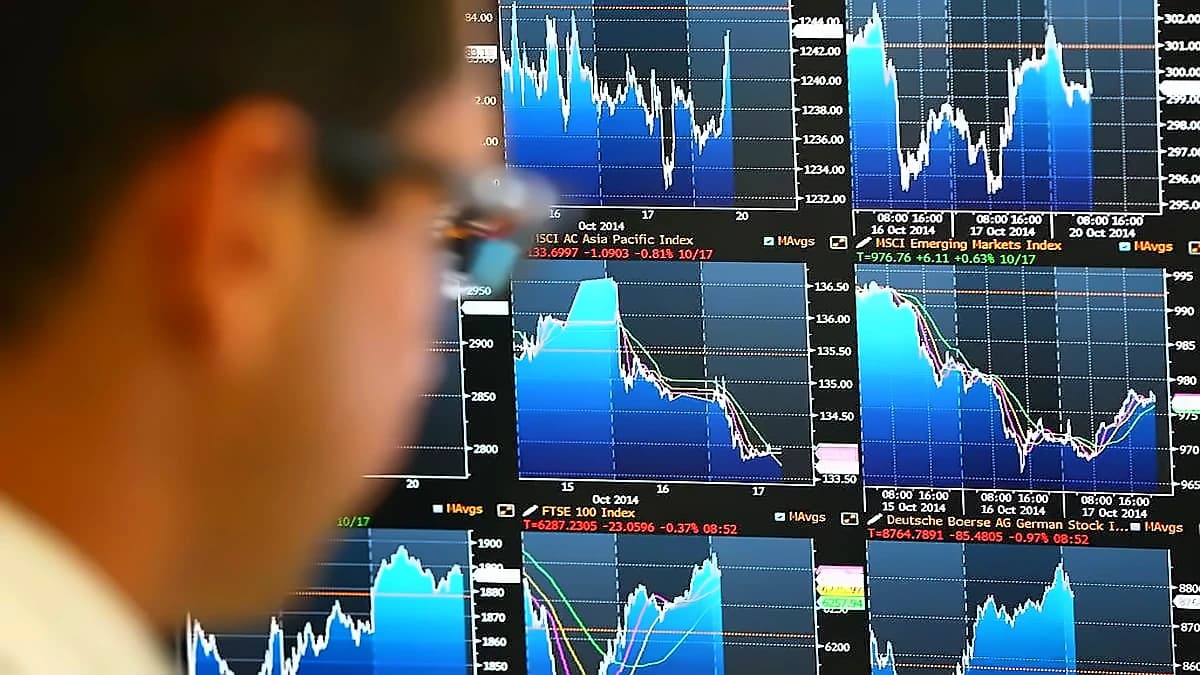
The Services PMI Business Activity Index rose to 50.9 in May 2026, reaching a two-month high and showing signs of recovery from previous declines. As reported by S&P Global, this improvement was primarily attributed to the ongoing war in the Middle East, which had pressured the sector into a contraction in March. The Services PMI eased to 50.9 from 51.0 in the previous month, but this represents a 2-month high and shows resilience compared to the manufacturing sector's strong performance. The Services PMI recorded an unexpected—though slight—decline, which may be part of a broader trend in which manufacturing benefits from structural investment flows from tech companies and the US government, while services continue to struggle amid weakening consumer sentiment.
The S&P Global US Composite PMI remained stable at 51.7 in May 2026, indicating resilient private sector activity despite a slowdown compared to earlier in the year. According to S&P Global's Chief Business Economist Chris Williamson, the damaging economic impact from the Middle East war is becoming increasingly evident in business surveys. The flash PMI data for May recorded only modest growth as demand was squeezed by a further spike in prices and jobs were cut as firms worried over rising costs and the economic outlook. Williamson noted that the economy will struggle to manage annualized GDP growth of much more than 1% in the second quarter.
Surging input costs jumped in May at the steepest rate since late 2022 on the back of rising war-related supply constraints and steep energy cost increases. As reported by S&P Global, these rising costs were not only cited as causing lower sales but also contributed to steepening job losses and a further rise in selling price inflation to its highest since August 2022. The Supplier Delivery Times have lengthened to the greatest degree since August 2022, while input inventories rose to the greatest extent for 11 months, in part reflecting the building of safety stocks amid price and supply worries.
Looking ahead, companies' expectations for output in the year ahead have diverged significantly between sectors. According to S&P Global, service sector optimism fell to its weakest since April 2025, reflecting growing concern over the outlook for demand thanks to surging prices, higher interest rates and heightened political uncertainty. In contrast, manufacturers were at their most optimistic since February 2025 and at one of the highest levels seen since the pandemic, thanks to the recent upturn in orders and ongoing anticipation of tariff-related reshoring. The S&P Global Flash US Composite PMI Survey is compiled from questionnaires sent to approximately 650 manufacturers and 500 service providers, providing crucial insights into economic trends for central banks and financial markets.