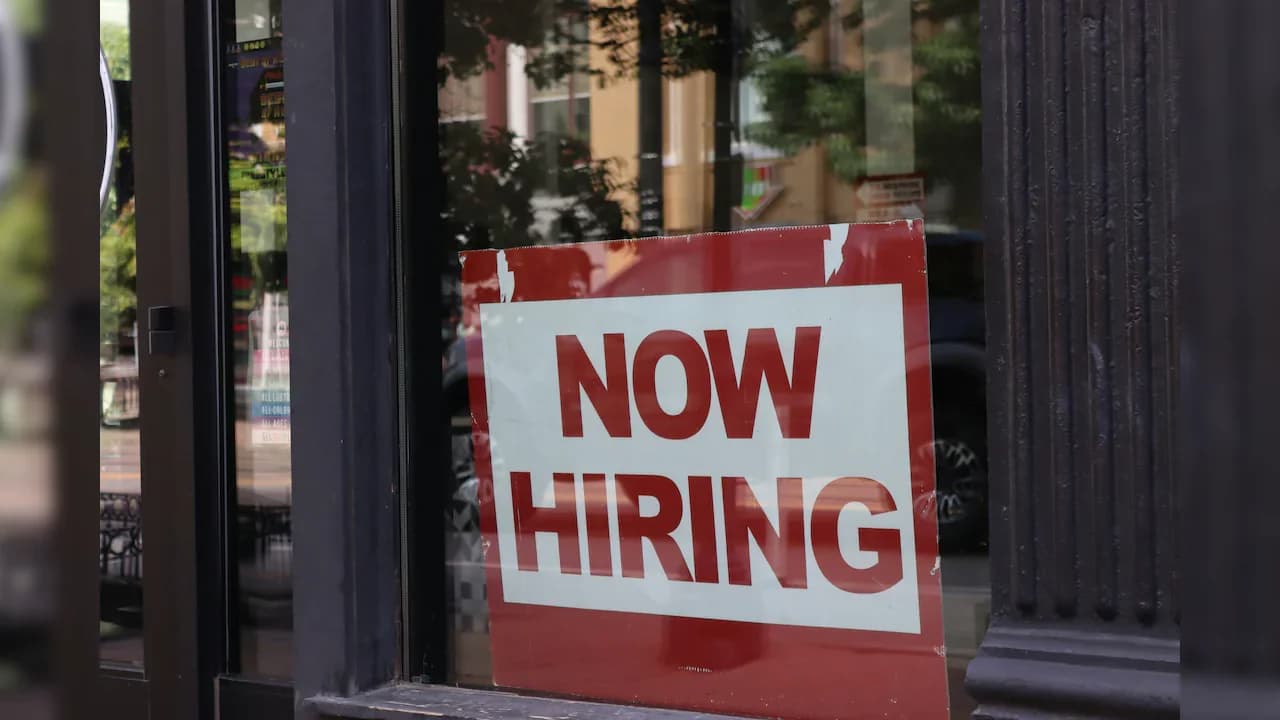
US initial jobless claims fell by 6,000 to 206,000 in the week ended August 15, according to Labour Department data released on Thursday (August 20). The decline came in below market expectations for 210,000, indicating continued stability in the US labour market despite a surprise decline in employment in July. Claims have remained toward the lower end of their 189,000-230,000 range for this year, with the latest figure representing a 6,000 improvement from the previous week's revised figure of 212,000. For the past year, claims have been at a historically low range of about 200,000 to 230,000 a week, as reported by the Associated Press. The latest reading comes after weekly initial claims dipped to 189,000 in the week ended July 18, the lowest level since 1969, though the pickup since then still leaves applications at a historically subdued level.

Initial claims had fallen to 189,000 in the week ended July 18, the lowest level since 1969. Although claims have risen from that level, they remain historically subdued. The four-week moving average of initial claims, which smooths out weekly volatility, increased to 204,000 last week, up from a revised 199,750 in the previous week. This data suggests that while layoffs remain low, the pace of improvement has moderated from the record-low levels seen in July. As noted by High Frequency Economics chief economist Carl Weinberg, the labour market has yet to show any sign of wear and tear from the surge in oil prices since the start of the war with Iran and the global energy supply shock. Unadjusted for seasonal fluctuations, initial claims declined, reflecting fewer applications in states including Michigan, South Carolina and California.
Continuing claims, which track the number of people receiving unemployment benefits after an initial week of aid and serve as a proxy for hiring conditions, increased by 18,000 to 1.8 million in the week ended August 8, up from 1.78 million the week before. The four-week moving average of continuing claims also rose to 1.789 million, indicating that workers who have lost jobs may be taking longer to return to employment. The insured unemployment rate remained unchanged at 1.2%, suggesting that while new job losses are relatively contained, the labor market is showing signs of cooling despite the headline decline in initial claims. The number of people collecting unemployment benefits has been rising, reflecting the challenging job market conditions for those seeking employment. US employers have been slow to fire but also slow to hire workers this year, leaving the labor market relatively steady for people with a job but challenging for those trying to land one.
The latest labour market data, along with signs of mild inflation, could allow the Federal Reserve to keep interest rates unchanged in September if those conditions persist. The combination of low layoffs and historically low unemployment rates creates a supportive environment for monetary policy stability. However, the rising continuing claims and unchanged insured unemployment rate suggest that while the labor market remains resilient, there are signs of cooling that could influence future policy decisions. The 4.1% unemployment rate remains low, partly because the economy has proved resilient in the face of higher energy prices, but also because President Trump's immigration crackdown and the ongoing retirement of baby boomers mean that fewer people are competing for jobs. The latest reading comes after weekly initial claims dipped to 189,000 in the week ended July 18, the lowest since 1969, though the pickup since then still leaves applications at a historically subdued level.