Americans' demand for new credit reached its highest level in nearly five years in June, according to the latest data from the Federal Reserve Bank of New York. The bank's Survey of Consumer Expectations Credit Access Survey revealed that the rate of applying for new credit of any type was at its highest level since October 2021. The findings point to stronger consumer demand for credit even as borrowing costs remain relatively high, as reported by Reuters. While applications for credit cards and auto loans eased slightly since February, mortgage demand edged up, indicating a mixed but generally positive trend in credit market activity. The Fed's July Beige Book further confirmed this trend, showing modest growth in 11 of 12 districts with stable credit quality, though commercial loan volumes rose modestly.
The New York Fed reported that compared to February 2026 readings, the average likelihood of applying for a new credit card, auto loan, higher credit card limit or mortgage refinance declined somewhat. This suggests that while overall credit demand remains elevated, specific categories of credit products are experiencing some moderation from their February levels. The decline in credit card and auto loan applications indicates that consumers may be becoming more selective in their credit-seeking behavior, with the Fed's Beige Book noting that commercial loan volumes rose modestly but with commercial credit quality remaining stable. Major banks reported a powerful Q2 performance with surging profits, trading revenue, and investment banking fees, while Wells Fargo reported fewer CRE nonaccrual loans, leaving lenders well-capitalized but selective.
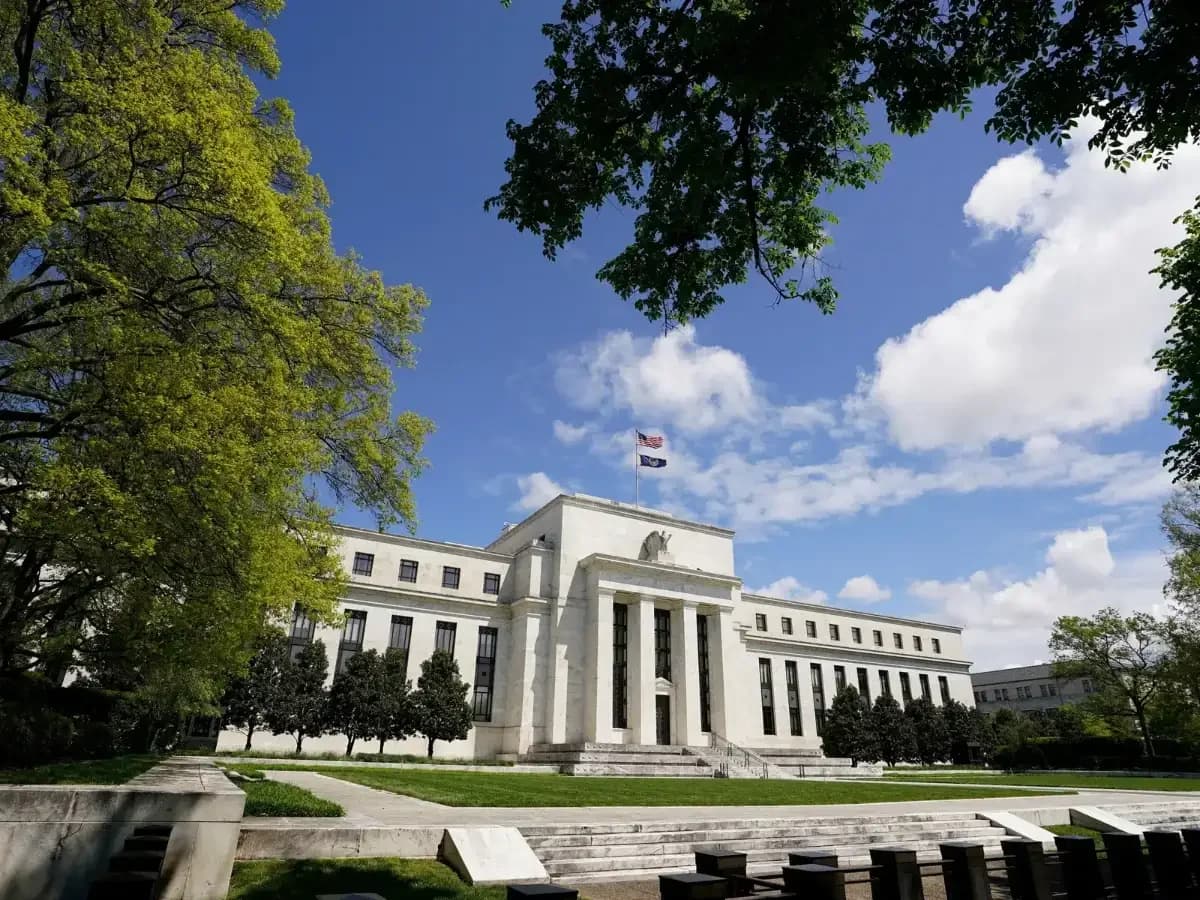
In contrast to the declining trends in other credit categories, the likelihood of applying for a mortgage rose slightly according to the Federal Reserve Bank of New York's findings. This upward movement in mortgage applications suggests that homeowners and potential buyers are showing renewed interest in real estate financing, which could indicate confidence in housing market conditions or refinancing opportunities. However, the Fed's Beige Book revealed uneven CRE signals across regions, with New York banks reporting weaker commercial mortgage and refinancing demand with slightly tighter standards, while Chicago saw slower multifamily development lending. The mortgage sector's performance stands out as the only category showing increased application activity, even as consumers continue to seek various forms of borrowing including credit cards, auto loans, and higher credit limits.
The New York Fed's June survey revealed that 34% of respondents said they would need to come up with $2,000 for an unexpected expense, representing a slight increase from the 33% reported in February. However, this figure remains below the 36% reported in June of the previous year, indicating that while financial pressure persists, it has not worsened significantly. The data suggests that while households face challenges with unexpected expenses, the situation has not deteriorated to levels seen in the previous year. Recent economic indicators show CPI fell 0.4% in the steepest drop since 2020, driven by a 10% plunge in gas prices, though core inflation remains sticky with the Fed maintaining hawkish tone.