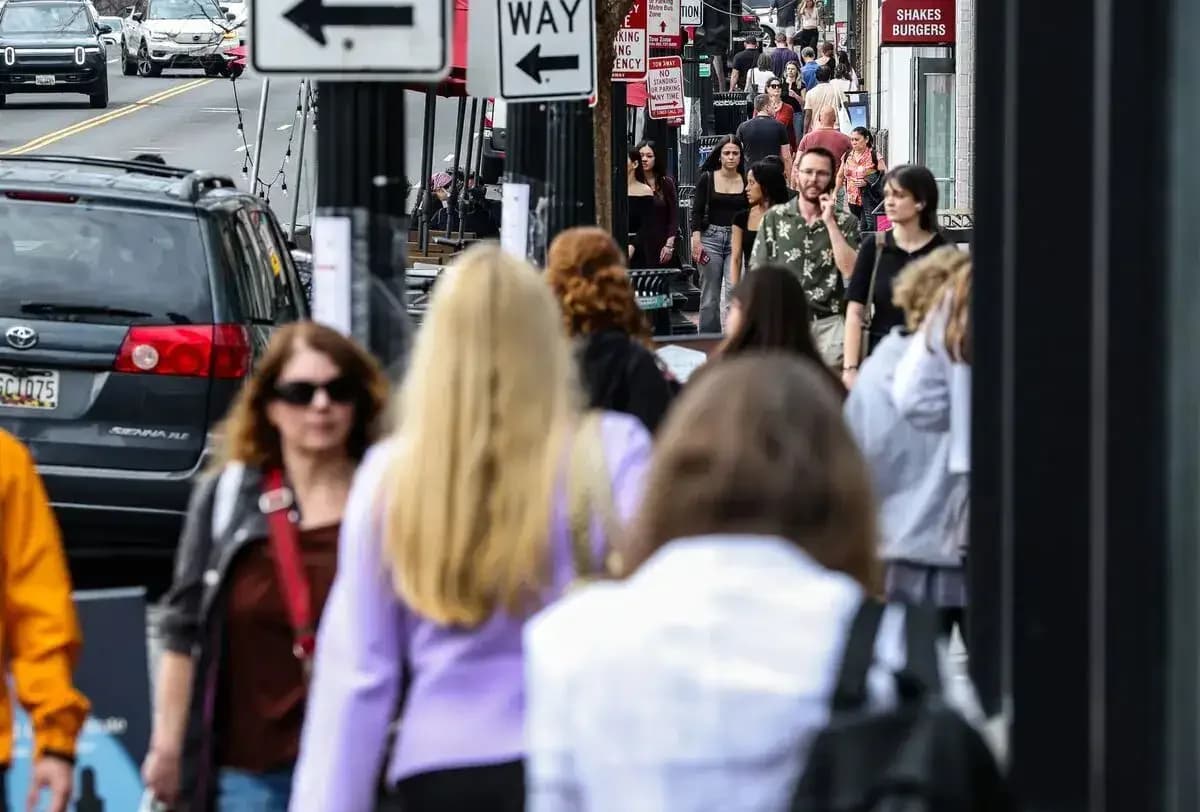
US consumer sentiment plummeted to an all-time low in May as rising gasoline prices linked to the Iran war intensified affordability concerns. According to the University of Michigan's Surveys of Consumers, the Consumer Sentiment Index dropped to 44.8, down from 48.2 earlier this month and 49.8 in April. Economists had forecast the index to remain unchanged at 48.2, making the decline a significant surprise. The index represents the lowest reading since the University of Michigan began tracking consumer sentiment in 1952. Joanna Hsu, director of the Surveys of Consumers, pointed to cost-of-living concerns as a primary factor driving the downturn, with 57% of consumers spontaneously mentioning that higher prices were eroding their personal finances, up from 50% last month.
The nearly three-month-long US-Israeli conflict has disrupted shipping in the Strait of Hormuz, significantly boosting energy prices. As reported by the University of Michigan's Surveys of Consumers, the national average retail gasoline price has jumped more than 50% since the war started to about $4.552 a gallon, according to data from motorist advocacy group AAA. Hsu noted that a gallon of gas is the most expensive it has been in four years, with drivers paying $4.55 per gallon on average to fill up their tanks nationwide. This dramatic increase has created widespread affordability concerns among American consumers, particularly affecting lower-income groups and those without college degrees who are disproportionately impacted by higher essential costs. The conflict has disrupted global oil supply chains, contributing to the significant price increases.
The sentiment decline has been particularly pronounced among Republican and independent voters, who dropped to their lowest levels since November 2024. According to the University of Michigan's Surveys of Consumers, sentiment among Republicans fell to the lowest level since November 2024, with the deterioration mirrored in other independent surveys. A Gallup survey released on Friday found that U.S. adults across the political spectrum have a more pessimistic view of the economy than when Trump returned to the Oval Office last year. Roughly three-quarters of Americans told Gallup they think economic conditions are getting worse, while just 16% rated economic conditions as excellent or good compared to nearly half who said they are poor. Trump has been losing ground within his party on the economy as Americans feel the squeeze of higher inflation and soaring gas prices. The growing discontent poses risks for Trump and his Republican Party as they seek to hold their majorities in the November midterm elections.
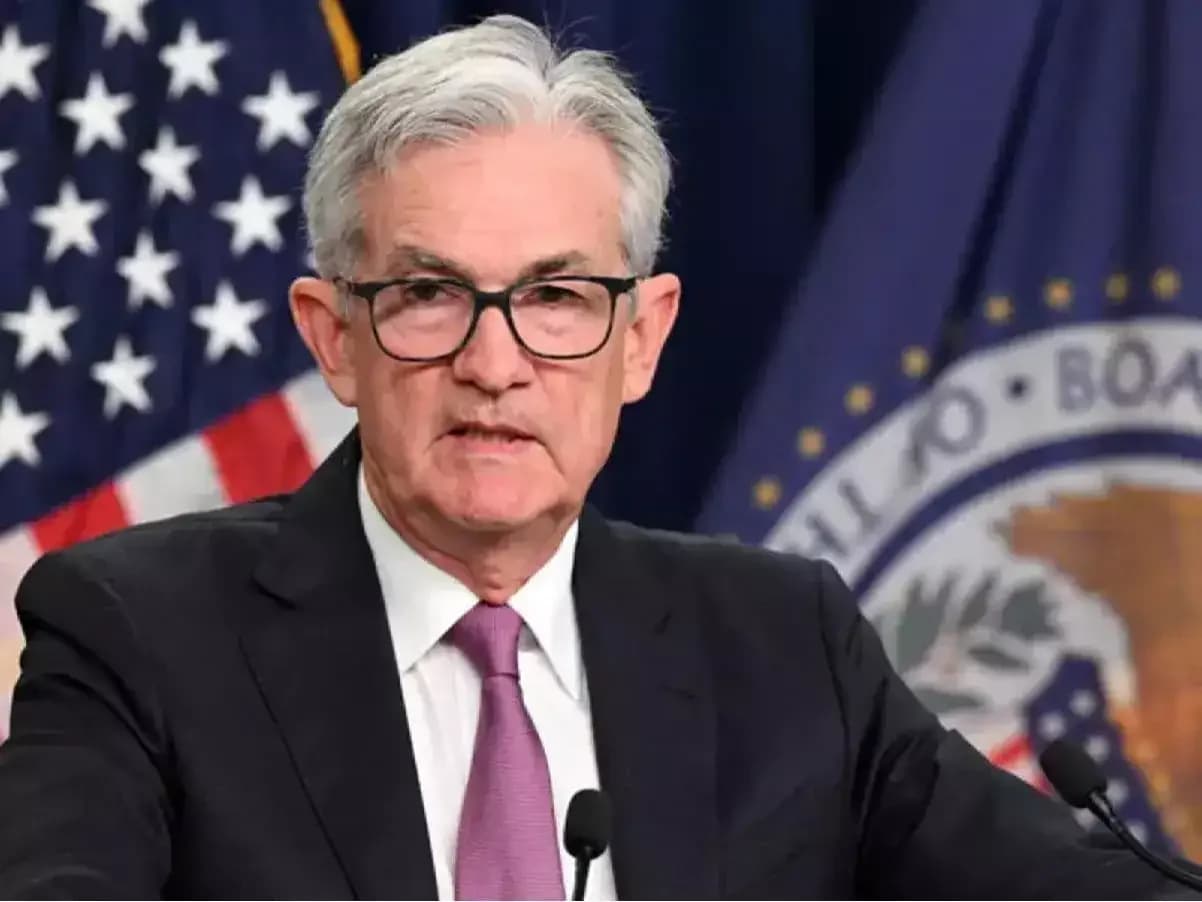
Consumer inflation concerns have intensified significantly, with the survey's measure of consumer expectations for inflation over the next year rising to 4.8% from 4.7% in April. Consumer expectations for inflation over the next five years shot up to 3.9% from 3.5% last month, reflecting sizable jumps among independents and Republicans. The consumer price index rose 3.8% over the past 12 months, driven by upward pressure on shelter, energy and gasoline costs, according to recent data from the Labor Department. As reported by the University of Michigan's Surveys of Consumers, 57% of consumers spontaneously mentioned that high prices were eroding their personal finances, up from 50% last month. The rising inflation expectations further strengthened financial market views that the Federal Reserve would leave its benchmark overnight interest rate in the 3.50%-3.75% range into next year.
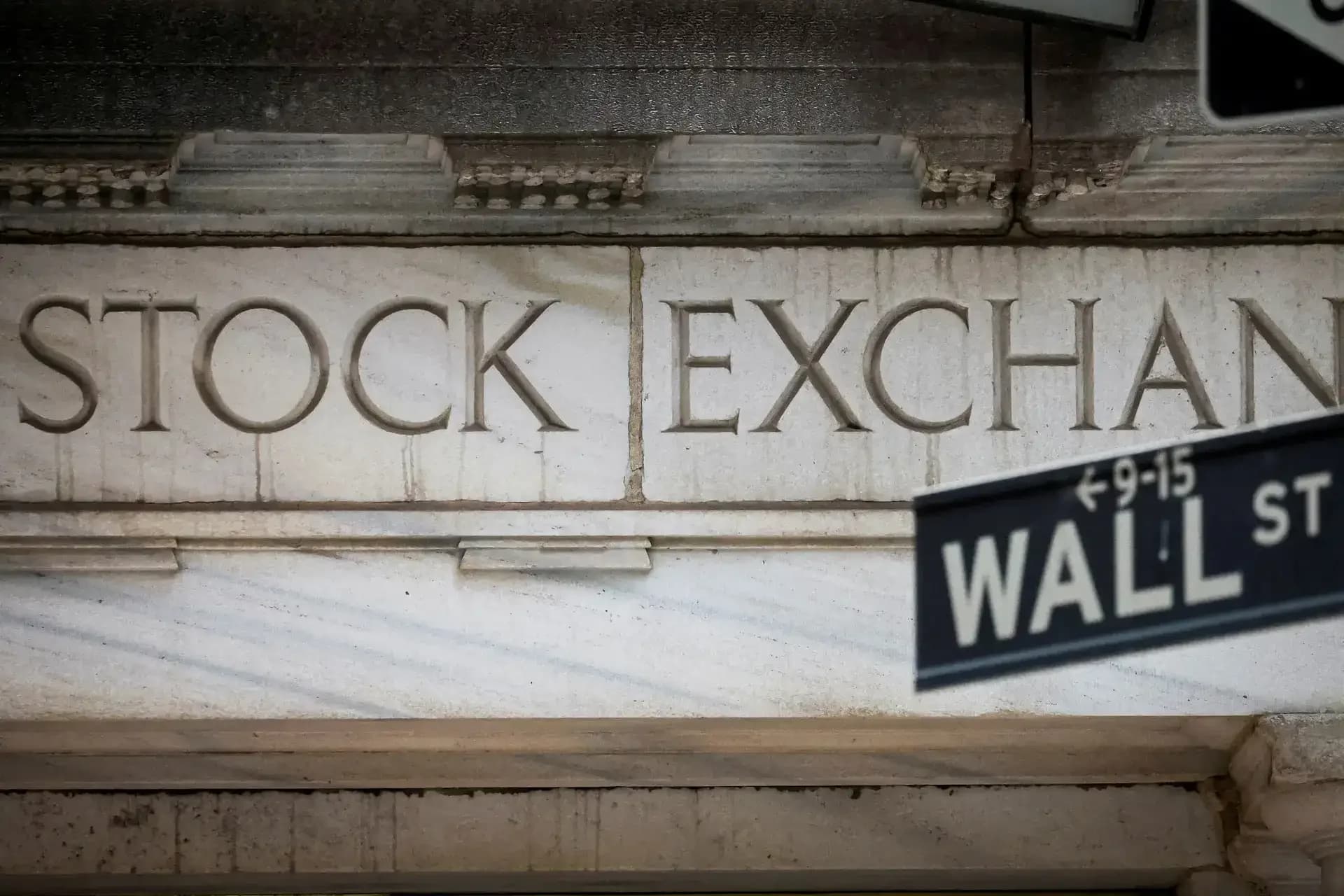
Despite the record-low sentiment readings, investors showed resilience with stocks on Wall Street trading higher, including the blue-chip Dow Jones Industrial Average hitting a record high for the first time since the Iran war began. According to the University of Michigan's Surveys of Consumers, investors shrugged off the slump in sentiment as the dollar remained steady against a basket of currencies and U.S. Treasury yields rose. However, economists note that rising share prices have not cheered consumers, with most wealth tied up in retirement accounts. The survey's findings suggest that consumer spending has so far shown resilience, thanks to hefty tax refunds and households drawing down savings, but economists do not believe consumers will continue tapping savings as economic uncertainty rises. Consumer sentiment reflects how people feel about their financial situation and the broader economy and can be a useful indicator of future personal spending, which accounts for the bulk of U.S. economic activity.