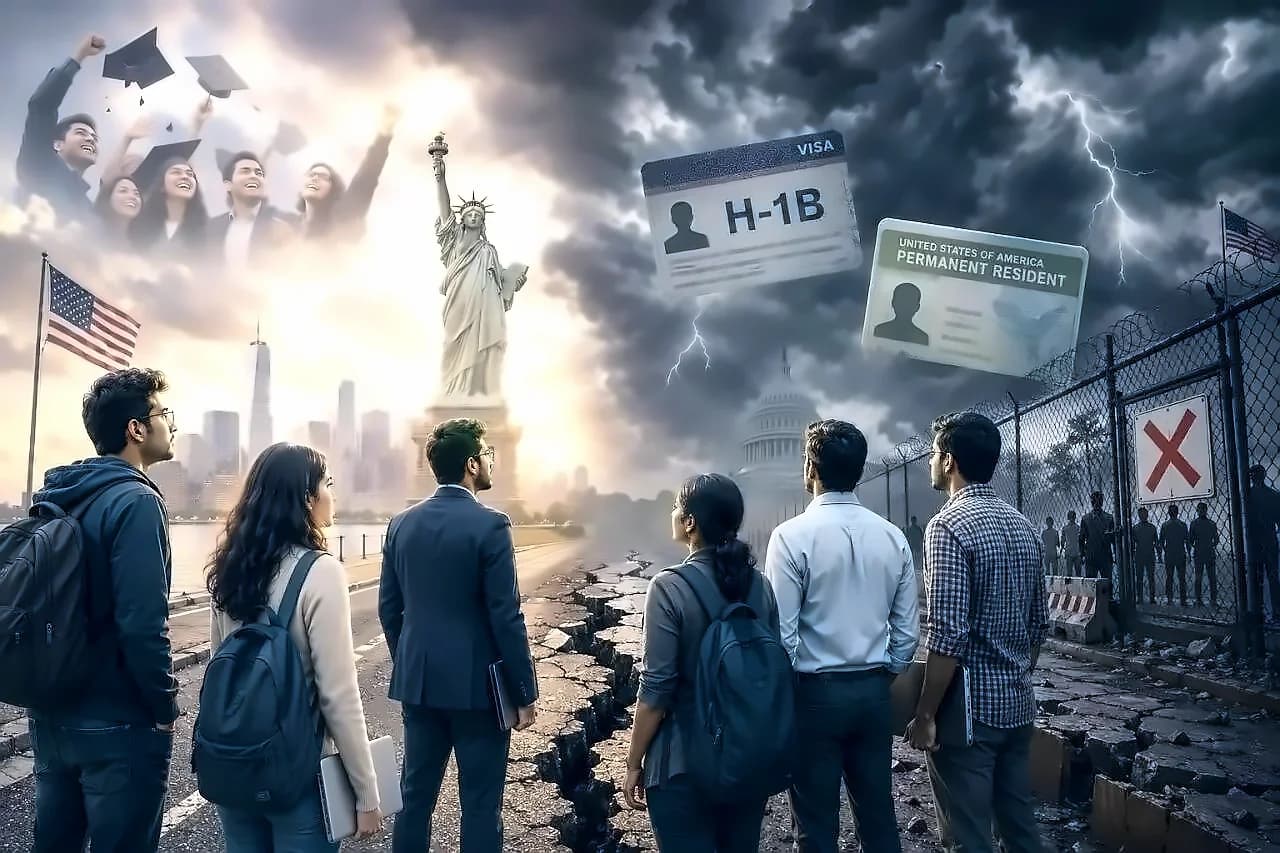
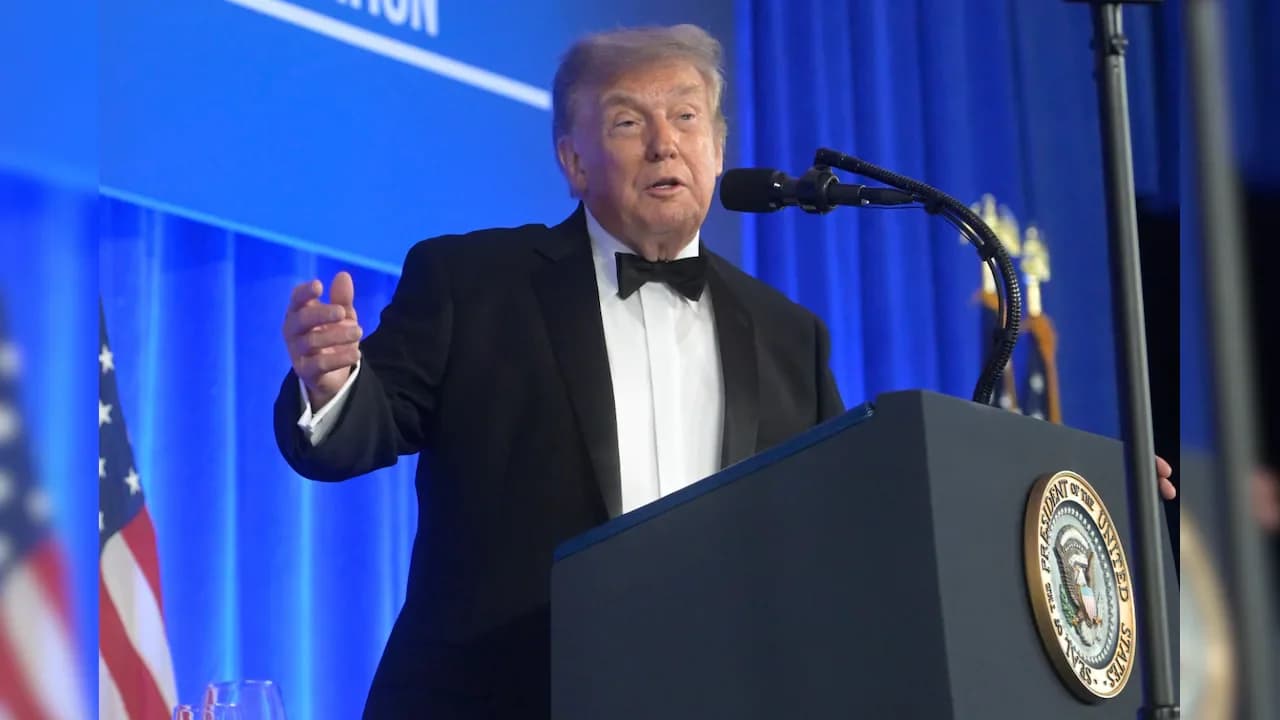
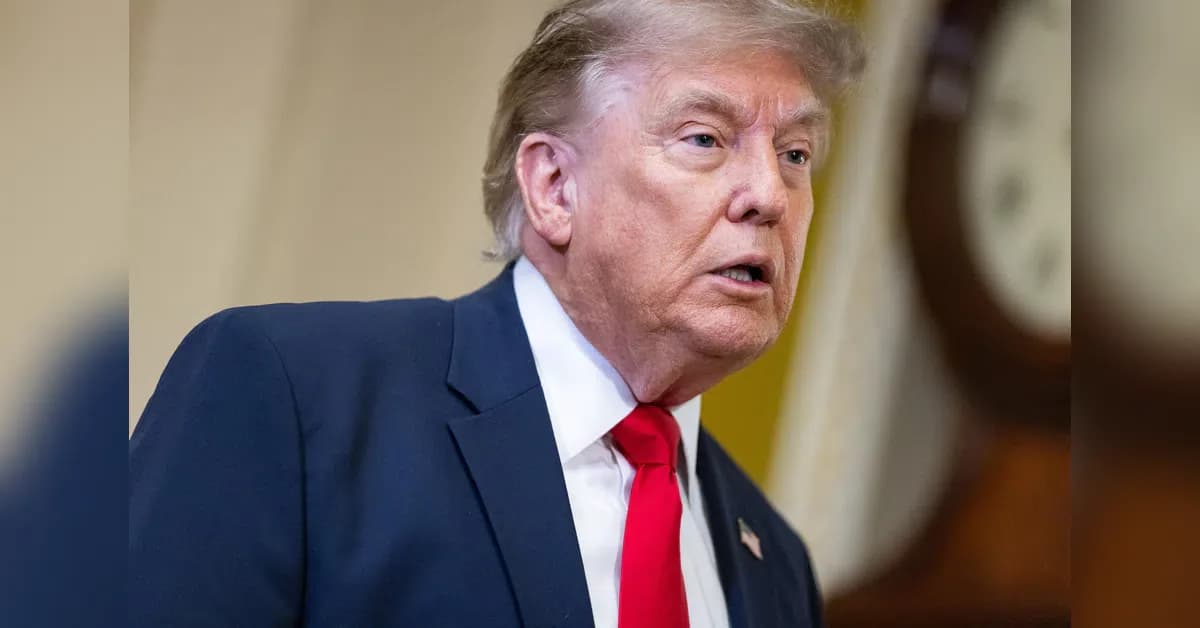
US President Donald Trump has repeatedly stated his appreciation for Indian talent, but his policies suggest a different reality for aspiring immigrants. According to The Times of India, the traditional pathway for Indian students - study in the US, secure employment, and pursue green card residency - is facing unprecedented challenges. Kuldip Kumar, Partner at Mainstay Tax Advisors, explains that skilled professionals are facing increased scrutiny, higher filing costs, evolving compliance requirements, and greater focus on protecting domestic employment, making the immigration process more complex and less predictable.
The White House has cleared a final regulation that will replace the current 'duration of status' (DS) policy for international students and exchange visitors. As reported by Bloomberg Law, this regulation will replace the current system where students are admitted for the duration of their programs with a fixed tenure system requiring periodical visa extensions and biometrics. The proposed regulation had capped visa tenure for F-1 international students to a maximum of four years, with English language programs limited to 24 months and public high schools to 12 months. Additionally, the grace period for students to prepare for departure or apply for extensions has been halved from 60 days to 30 days. The regulation has completed review by the Office of Management and Budget (OMB), one of the final procedural steps before publication and implementation. The proposed changes would apply not only to F visa holders but also to J exchange visitors, I visa holders and their dependants.
The H-1B visa remains the primary route for Indian professionals seeking high-skilled employment in the US, with significant concentration in the Indian market. As reported by The Times of India, a recent US Department of Homeland Security report reveals that 70 percent of H-1B petitions approved in FY 2025 were for beneficiaries whose country of birth was India, while China accounted for approximately 12 percent of all beneficiaries. Trump imposed a $100,000 fee on new H-1B applications and implemented a weighted selection system, though a US court recently struck down the fee ruling it amounts to an unauthorized tax.
The new regulations pose significant challenges for Indian students, who form one of the largest international student groups in the US. According to Business Standard, students pursuing longer academic paths may have to seek extensions from USCIS, with PhD candidates whose programmes often exceed four years being among the most affected. The rule could limit students' ability to transfer institutions or modify educational plans without additional approvals, while doctoral programmes taking five to seven years may face greater uncertainty. Immigration experts warn that students completing bachelor's degrees followed by master's degrees, or those whose research takes longer than expected, will face additional documentation, government scrutiny, and processing delays for each extension. The timing of the move is notable, coming amid heightened scrutiny of international students within the US immigration system.
The stakes are especially high for India, as the country is the top source country for international students in the US, with 3.6 lakh students in 2024-25, representing nearly 31% of all international students there. As reported by The Times of India, the proposed rule change could significantly impact Indian students' ability to remain in the US for the duration of their programmes, with compliance tracked through SEVIS. The new regulations could also affect OPT work authorization, programme changes, and the ability to move between courses, creating additional administrative burdens for Indian students who currently benefit from the current 'duration of status' system. The proposal is likely to be closely followed in India, which remains the largest source of international students in the United States, according to the Open Doors report.
Despite challenges, experts maintain that the US will likely remain a sought-after destination for global talent. According to The Times of India, Manish Daftari, Partner at Vialto Partners, reports no increase in denials for student, professional, and green card aspirant visas, though there are increased administrative burdens. Rajiv Dabhadkar, Founder of National Organization For Software and Technology Professionals, notes that while the US still offers advantages in cutting-edge fields like AI, chip design, biotech, and advanced engineering, the cost-benefit analysis has shifted for many professionals. The fundamental challenge lies in the broken promise of predictability - families now question whether the expensive move to the US is safe, particularly when compared to improving Indian cities and remote work opportunities. The latest development is not entirely new, as the Department of Homeland Security had first proposed the changes in 2025, reviving an idea that had been pursued during the first Trump administration but never formally implemented.