A federal judge has vacated the Trump administration's policy suspending immigrant visa issuance for nationals of 75 countries, marking a significant legal victory for immigration rights. In a 61-page decision filed on August 21, U.S. District Judge Jeannette Vargas ruled that the nationality-based policy was 'contrary to law' and exceeded Secretary of State Marco Rubio's statutory authority. The policy had affected countries across Africa, Asia, Latin America, the Caribbean, Eastern Europe and the Middle East, including Afghanistan, Brazil, Colombia, Cuba, Egypt, Haiti, Iran, Nigeria, Russia, Somalia, and Yemen. The court also set aside visa refusals based solely on the policy, allowing those applications to receive further review. As reported by the Financial Times, this ruling applies to immigrant visas, including many family- and employment-based applications, but does not concern temporary tourist or student visas.
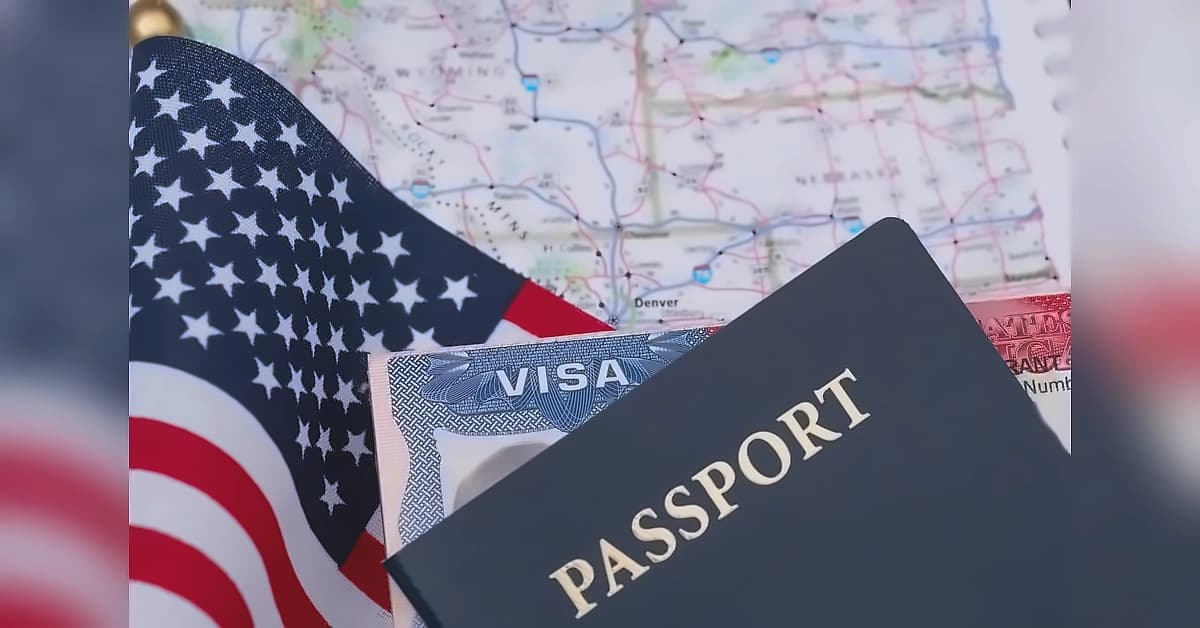
Despite the court ruling, the Trump administration has maintained its global halt of immigrant visa processing worldwide to allow US consular officers to undergo additional training, according to a report by the Financial Times. A State Department spokesperson confirmed on Tuesday that it launched a global training initiative at all US embassies and consulates worldwide, with appointments for visa services being adjusted to accommodate the training. The move aims to strengthen checks on whether applicants could become dependent on US government assistance. Applicants who had interviews scheduled at US embassies and consulates have been informed by email that their appointments are postponed, with new dates and times to be notified later. As reported by the Financial Times, the State Department began a worldwide training programme this month to help consular officers assess visa applications more thoroughly and apply the rules consistently.
The administration wants to ensure that people applying for immigrant visas are unlikely to become a 'public charge' or rely on public benefits intended for eligible Americans, according to a US State Department spokesperson cited by the Financial Times. This represents an intensification of immigration enforcement under President Trump's second term, which has seen expanded scrutiny of immigration applications and strengthened vetting requirements for those seeking to enter or settle in the US. The State Department spokesperson stated that the training aims to help consular officers screen out applicants deemed likely to become dependent on US public benefits and ensure evaluation of visa applicants 'comprehensively and consistently'. The crackdown has faced some legal setbacks, with the latest court ruling blocking the 75-country policy, though the administration may appeal the decision.
The move by the State Department to limit access is part of Trump's broader crackdown on both lawful and undocumented immigration, according to Financial Times reporting. This week, the Trump administration also announced plans to revoke visas from asylum seekers who initially entered the country for tourism or business, with up to 200,000 people currently seeking asylum potentially impacted. This would mark what would end up being the largest mass pulling of visas in the history of the US, coordinated with the Department of Homeland Security. The proposed action would cover B1 and B2 visas issued between 2016 and 2026 whose holders have sought or are seeking asylum. B1 visas are generally issued for business travel, while B2 visas are generally used for tourism, family visits or medical treatment. The State Department is expected to announce the move in the coming weeks, according to news agency AP.
Trump's immigration crackdown has been widely condemned by human rights groups as being discriminatory and in violation of free speech and due process rights, according to Reuters reporting. Rights groups also say the crackdown has created an unsafe environment in the US, especially for ethnic minorities who have raised concerns about racial profiling. While Trump campaigned in 2024 on a platform of stopping illegal immigration, his administration has also made legal immigration more difficult, including by imposing new and expensive fees for applicants of certain work visas. The crackdown includes revocations of visas and green cards and rejection of applications over various reasons, including political opinions and pro-Palestinian protests against US ally Israel's assault on Gaza. Trump says the crackdown aims to improve domestic security. The Trump administration has faced several legal challenges to its immigration policies, with courts previously blocking an effort during Trump's first term to bar nationals of seven majority-Muslim countries from entering the US, though the Supreme Court later allowed a narrower version of that policy to take effect.