
Trumpflation has entered a more entrenched phase with core inflation holding near 3.3% through the summer even as headline prices cooled sharply, according to latest data. The gap between falling headline prices and stubborn core inflation represents a significant shift from the previous gas-focused inflation story. Core Personal Consumption Expenditures (PCE), the Fed's preferred inflation gauge, has held above the Fed's 2% target for 65 straight months, as noted by macro strategist Jim Bianco. This persistent inflation trend suggests that Trumpflation has spread beyond the gas pump and settled into the broader US economy, creating challenges for policymakers and markets.
Billionaire investor Bill Ackman of Pershing Square is questioning the Federal Reserve's rate hike strategy, suggesting that AI-driven investment may defy traditional economic models and keep inflation high despite higher borrowing costs. Ackman believes the Fed's decision to raise rates could be based on economic models that don't fully account for the massive investment being made in artificial intelligence. "What if the old models don't apply to the current paradigm and the Fed is wrong?" he asked on X. "I think the Fed might have just made a mistake." The presumption that higher rates reduce demand and investment may not work when companies see AI investment as an opportunity with potentially enormous returns.
Fed Chair Kevin Warsh's Federal Open Market Committee (FOMC) raised interest rates a quarter point on September 16 despite Treasury Secretary Scott Bessent's calls for maintaining an 'open mind' on rates. The Fed's decision reflects the reality that entrenched inflation typically takes a prolonged hiking cycle to unwind, not a single move. This development poses challenges for markets, particularly as the stock market is trading near its richest valuation since the dot-com bubble. Wall Street's AI-driven rally has largely priced in steady rate relief ahead, but if Trumpflation continues forcing the Fed's hand, that bet could unravel, requiring investors to rethink how long the rally can last.
The Iran war situation continues to create significant supply disruptions, with Iran closing the Strait of Hormuz in late February, cutting off roughly 20 million barrels of daily oil traffic - about a fifth of the world's crude oil supply. Diesel prices hit an all-time high of $6.50 a gallon in September, according to data cited by Barchart. Additionally, roughly a third of the world's fertilizer supply also transits the strait, pushing up crop and produce costs. Bessent addressed this situation, stating that he expects Iranian oil deliveries to China to stop soon, with 'Probably within the next two weeks they're going to make their final delivery of oil to China and then they will have nothing'. The supply disruptions have created ripple effects throughout the US economy and pushed up bond yields worldwide.
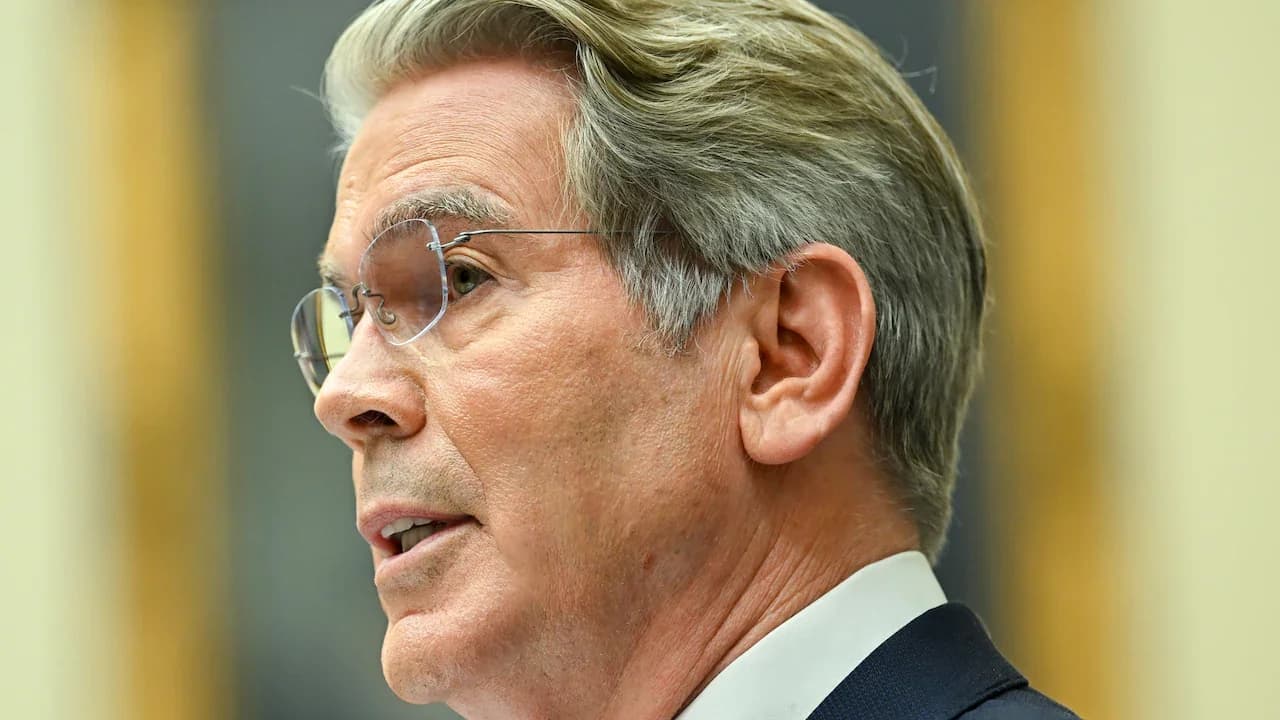
New York Federal Reserve President John Williams indicated that another rate increase by the end of the year would be a reasonable possibility, stating that "it's likely that another rate hike may be appropriate by the end of the year." Fed Governor Michael Barr also warned that "further policy adjustments are likely to be needed to ensure inflation comes down to target in a timely fashion." However, Ackman's concerns about AI-driven investment patterns suggest that traditional monetary policy tools may be less effective in the current economic environment. The Fed's benchmark interest rate is now at 3.75% to 4% following the recent increase, with officials noting that the period of explicit forward guidance from the Fed is over. Boston Federal Reserve President Susan Collins also acknowledged "an increased likelihood" that inflation would stay notably above the Fed's 2% target.